
 E-Paper



Centre rushes team to Kerala amid rise in Covid infections
According to data from the health ministry, seven districts in Kerala have been reporting an increase in new infections over the previous month.

 Prefer HTon Google


The Union health ministry has sent a six-member multi-disciplinary team to Kerala on Thursday to monitor the on-ground Covid-19 situation there and suggest measures to control the spread of infection, as the state remains the country’s biggest hotspot region accounting for nearly half of India’s new cases.
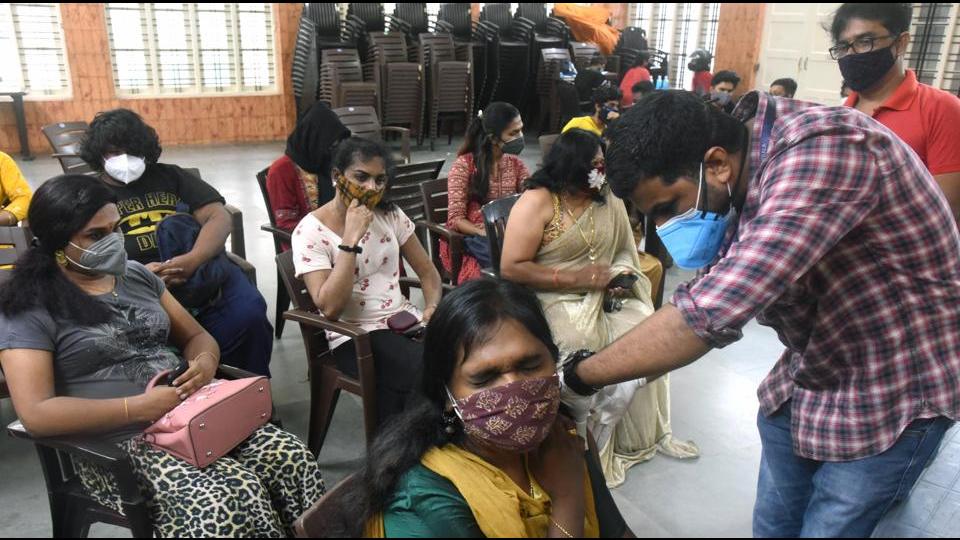
The central team, headed by director of National Centre for Disease Control (NCDC) Dr Sujeet Singh, will reach Kerala on Friday, according to a statement by the health ministry.
Nearly one in every two new Covid-19 infections recorded in India over the past week have come from Kerala, that is defying the national trend of falling infections since the decline of the country’s brutal second wave of infections. As of Wednesday night, the state has 150,040 active cases, accounting for 37% of all such cases of the country.
According to data from the health ministry, seven districts in Kerala have been reporting an increase in new infections over the previous month.
The average weekly positivity rate – proportion of samples that return positive among total tested, generally indicative of the spread of the infection within the community – currently stands at 12.1% in Kerala, nearly five times that of the national average of 2.4% in the same period. The World Health Organization recommends that a 5% threshold for positivity rate be taken at which the Covid-19 infections in an area can be said to be testing adequately according to the caseload at hand. A number higher than 5% signifies that the region needs to test more to identify cases and isolate them as soon as possible.
“Central government is sending six-member team to Kerala headed by NCDC director. As [a] large number of Covid cases are still being reported in Kerala, the team will aid state’s ongoing efforts in #COVID19 management,” Union health minister Mansukh Mandaviya on Thursday.
To be sure, there are indications that the state has been able to detect true infections better than any other region. Data released by the health ministry on Wednesday from the fourth round of national sero-surveillance by the Indian Council of Medical Research showed that the prevalence of antibodies – a measure for whether someone has been exposed to Sars-CoV-2 virus – was 44.4% in Kerala, the lowest among the states surveyed. The state also has a Covid-19 mortality rate of 0.5%, the best of any major state in the country, and significantly better than the national average of 1.3%.
The results appear to explain Kerala’s current high numbers, experts said.
“This is not surprising at all; Kerala implemented good Covid appropriate behaviour and strict lockdown since the first wave. The cases went down in places such as Bihar, UP, and Delhi not because people started following Covid appropriate behaviour but because a significant proportion was already exposed to the infection. What this means is that the second wave will continue in Kerala for a while and high number of new cases will be reported,” said Dr Sanjay Rai, head of the department of community medicine at the All India Institute of Medical Sciences on Wednesday.


