E-Paper



Climate-linked heat deaths rise 36% since Paris Agreement; India also affected: Lancet
People in India were exposed to over 2,600 hrs per yr during which heat posed a moderate or higher risk of heat stress during moderate outdoor physical activity

 Prefer HTon Google


The health impacts and risks of climate change accelerated in the decade since the Paris Agreement entered into force (2016–2025) indicating climate action failed to keep pace, the 10th indicator report of the Lancet Countdown on Health and Climate Change has found.
The report added that high heat remained a concern for India in the decade 2016-25, with the Lancet report stating people in the country were exposed to over 2,600 hours per year during which heat posed a moderate or higher risk of heat stress during moderate outdoor physical activity. This figure is over 200 hours higher than the annual average in the 1990s.
“People in India also lost an estimated 64 hours of sleep annually, due to high night-time temperature between 2021 and 2025, approximately three hours more per year than 1986-2005,” it added.
Released on Wednesday, the report said the annual average heat-related deaths worldwide has increased by nearly 36% in the decade since the Paris Agreement came into force, with human-caused climate change responsible for more than 70% of the record 710,000 heat-related deaths reported in 2023 alone.
The report, led by University College London (UCL), and produced in collaboration with the World Health Organization (WHO), calls for climate change to be formally recognised as a global health emergency, with health placed at the centre of decisions on emissions reduction, adaptation and climate funding.
Also Read: COP31 success is about delivery, support and scale, not new targets: Bhupender Yadav
Heat deaths and extreme weather risks
The Paris agreement, which came into force in 2016, asked countries to limit global warming well below 2°Celsius and preferably to 1.5° Celsius, compared to pre-industrial levels. However, the UN’s own assessment earlier this month, showed if current policies continue, global warming could reach 2.8°C within this century and increase thereafter.
“Heat was linked to an average of 540,800 estimated deaths per year between 2016 and 2023, 68% of them (369,900) caused by climate change, up from 55% (219,100) per year in 2006–2015. In 2023 alone, the hottest year in that period, heat was linked to a record 710,000 estimated deaths, exceeding those from malaria or HIV, with 71.5% of them driven by climate change. Altogether, climate change is estimated to have caused almost 3 million heat deaths between 2016 and 2023,” stated the Lancet report.
High heat levels have also led to extreme drought in parts of the world, affecting nearly 52% of the world’s land for at least a month in 2025 – the second-highest level on record, the Lancet said, adding a satellite-based analysis suggests since 2003, 80% of the world’s land has faced significant shifting patterns of increasing dry and wet groundwater storage conditions, with implications for food security and sanitation.
Also Read: Unprecedented climate crisis hit on India: Study
It said since 2016, the area affected by drought has grown more than 700% faster than it did in 2006–2015.
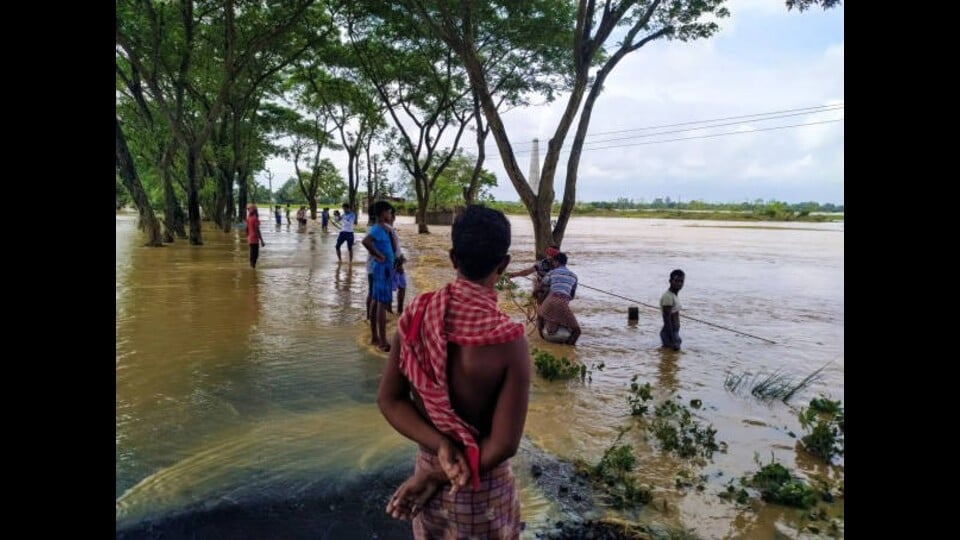
“At the same time, very extreme rainfall is also becoming more common, reaching almost 17.2% of global land each year in 2016–2025, up from 14.8% the previous decade, and increasing the risk of floods, landslides and waterborne disease,” the report said, stating climate extremes add to the health risk.
The report represents the work of 146 multidisciplinary researchers from more than 100 institutions across more than 30 countries.
Published ahead of the 31st UN Conference of the Parties (COP31), tracks 54 indicators of the health impacts of climate change and the health effects of climate action, including four new indicators introduced this year covering the availability of water in land, healthcare sector greenhouse gas footprint assessments, climate-related health research funding, and legislative engagement with health and climate change.
Also Read:Govt submits draft of its new climate plan
Health at the centre of climate action
“A decade after the Paris Agreement, our findings are unambiguous: the health harms of climate change are growing faster than the world’s response to them, and in many cases even accelerating,” says Professor Marina Romanello, Executive Director of the Lancet Countdown, based at University College London.
The report states that despite gains in the health care system, overall progress is falling short.
“Cleaner energy, more resilient health systems, along with more health-protecting legislation and growing scientific evidence have brought real health benefits to local communities since the 2016 Paris Agreement, but these gains are still too slow, too insufficient, and too inconsistent to offset the growing risks, states the study.
The findings carry particular significance for India, where recurring heatwaves pose serious risks to outdoor workers, older people, children and those with existing health conditions, stated the study .
Extreme heat can cause dehydration, heat exhaustion and potentially fatal heatstroke, while also aggravating cardiovascular and respiratory illnesses, states the report.
The report’s authors warn that the health benefits of cleaner energy and better preparedness are being undermined by the continued expansion of fossil fuels and insufficient investment in adaptation.
“The rate of increase in many climate-related health threats is accelerating, while heat deaths linked to climate change have reached a record-high, and the economic toll is battering vulnerable sectors and communities the hardest,” said Marina Romanello, executive director of the Lancet Countdown.
Clean energy gains and calls for action
On the flipside, the report said the transition to clean energy has helped prevent a significant number of deaths and represents a pathway countries need to take globally.
Worldwide, clean energy investment reached a record US$2.1 trillion in 2025 – almost double what was invested in fossil fuels, it said.
Also Read: Inflection point for the Hydrogen Mission
“Due to this, cleaner air has prevented an estimated 323,000 deaths a year in at least 77 countries where air pollution from fossil fuels has fallen since 2016,” the report said, flagging even then, fossil fuels still supply more than 80% of the world’s energy, and the 100 largest oil and gas companies are on track to exceed 1.5°C-compatible production levels by 150% by 2040 – up from 138% from last year.z
Additionally, the report states that climate change must be a formally declared health emergency.
“Climate change must be formally declared a global health emergency as heat-related deaths rise and extreme weather increasingly threatens food security, water supplies and public health,” read the report.
The authors have called for a coordinated global response through a new WHO instrument, faster and fairer greenhouse gas emission cuts, sustained investment in scientific research and increased funding for health adaptation. They have also urged governments to provide climate finance as grants rather than loans, so vulnerable countries can strengthen health systems without accumulating additional debt.
Frequently Asked Questions