
 E-Paper



Covid-19 and Guillain Barre Syndrome: Relation, causes and symptoms
Guillain Barre Syndrome is a rare autoimmune disorder, a prototype of post-infectious neuropathy that usually develops within two to four weeks after an acute infection, and is caused by a bacterial or viral infection.

 Prefer HTon Google


Several neurologists in Mumbai came together last week to conduct a study on a rare neurological complication, the Guillain Barre Syndrome (GBS), in patients of the coronavirus disease (Covid-19). The effort came after more than 24 patients developed paralysis due to GBS. The study hopes to establish a correlation between Covid-19 and GBS and is slated to be finished in three weeks. The aim of the study is to develop an India-specific database regarding Covid-19 and GBS that will be sent for scientific publication.
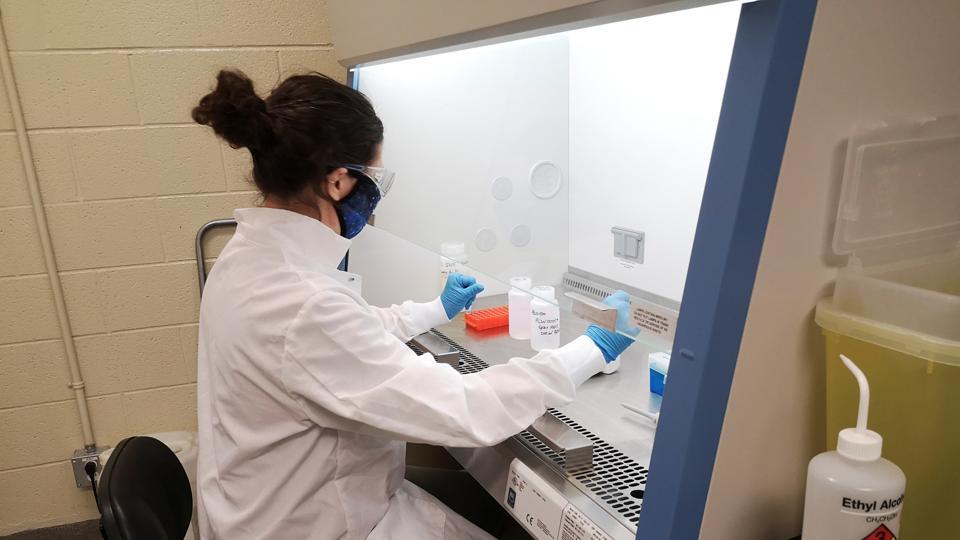
“There haven’t been many studies on Covid-19-associated GBS in India. Our study will be first-of-its-kind where the sample size will also be large. Along with hospitals, we are also collecting data from nursing homes,” Dr Megha Dhamne, the study’s principal investigator and neurologist at LH Hiranandani Hospital in Powai, said.
What is Guillain Barre Syndrome?
GBS is a rare autoimmune disorder, a prototype of post-infectious neuropathy that usually develops within two to four weeks after an acute infection, and is caused by a bacterial or viral infection. It is mainly observed in the last stage of Covid-19 recovery or among completely recovered patients. GBS is found in Covid-19 patients when the immune system attempts to kill Sars-CoV-2 and accidentally starts attacking the peripheral nervous system, thereby affecting limb functions. The syndrome’s first symptoms are a tingling or itching sensation in the skin, followed by muscle weakness, pain and numbness and these may emerge first in the feet and hands. More severe cases may have reflex loss and paralysis.
Read more | Ray of hope? Study claims Hepatitis C drugs can be effective against Covid-19
Could all Covid-19 patients have GBS?
While Covid-19 is known to affect digestive, cardiac and kidney functions, the virus can have an indirect effect and trigger an immune response that can attack the body’s peripheral nervous system. Experts believe that it is still difficult to assess the nature of permanency of GBS but such cases have been identified within five to 10 days of the onset of symptoms of Covid-19. Doctors have recommended regular follow-ups by recovered patients.
Is there a treatment for GBS?
Intravenous immunoglobulin (IVIG) and sometimes plasma therapy helps patients with GBS recover. Patients who may develop severe complications could require intensive care treatment or ventilator support.


