
 E-Paper



Covid 19: Coronavirus outbreak brings Mumbai’s Dabbawala services to a halt
A partial shutdown across the city has already affected the business of the city’s 5,000 dabbawalas, who are susceptible to contracting the Sars-CoV-2 virus because they carry the lunches in normally packed suburban trains.

 Prefer HTon Google


Mumbai’s Dabbawalas, who deliver hot lunches from homes and eateries to people at their workplaces, will stop work on Friday until the end of the month as the financial capital tries to contain the coronavirus outbreak.
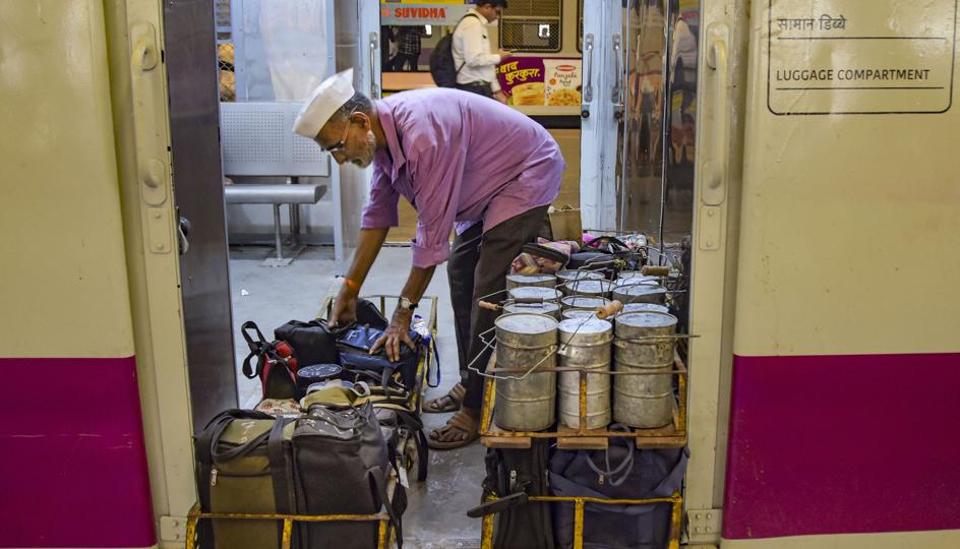
The city’s Dabbawala system has been the subject of business school case studies because of the clockwork efficiency with which tiffin boxes are picked up and delivered and the empty boxes returned by the men in white using the suburban train network, handcarts and bicycles.
The Mumbai Dabbawala Association on Thursday said the food delivery service will reopen on April 1 after the stoppage, which is in deference to the Maharashtra government’s entreaties to the people to stay indoors and avoid crowded places because of the novel coronavirus outbreak.
A partial shutdown across the city has already affected the business of the city’s 5,000 dabbawalas, who are susceptible to contracting the Sars-CoV-2 virus because they carry the lunches in normally packed suburban trains and visit crowded places. Many of their clients are also working from home to avoid public contact.
“All schools are shut. Some of the offices are closed as well. We don’t have enough dabbas to deliver. On an average, if a dabbawala delivers 35 tiffin boxes, he’s doing 12. It doesn’t make sense to risk your life for 12 dabbas,” said Subhash Talekar, spokesperson for the Dabbawala Association.
In normal times, the dabbawalas deliver around 200,000 tiffin boxes daily. The dabbawala service, which started 125 years ago, has an estimated annual turnover of around Rs 45 crore.
Dabbawalas are intrinsic to life in Mumbai. A November 2012 article in the Harvard Business Review said the Dabbawala service entailed 260,000 transactions in six hours each day, six days a week, 52 weeks a year (minus holidays), but “mistakes are extremely rare.”
“Amazingly, the dabbawalas—semiliterate workers who largely manage themselves—have achieved that level of performance at very low cost, in an ecofriendly way, without the use of any IT system or even cell phones,” the article said, citing a service that “is legendary for its reliability.”


