E-Paper


Covid-19: Diabetes, hypertension common comorbidities in patients, says Health ministry
Age-wise distribution of patient data analysed till Monday showed nearly 63% of the positive cases were either 40 years of age, or below, and just about 10% positive cases were above 60 years of age
Hypertension and diabetes are the most common comorbidities found in Coronavirus (Covid-19) patients, with 5.74% and 5.20% of the patients analysed as part of the Union health ministry’s disease surveillance initiative suffering from these two medical conditions respectively.
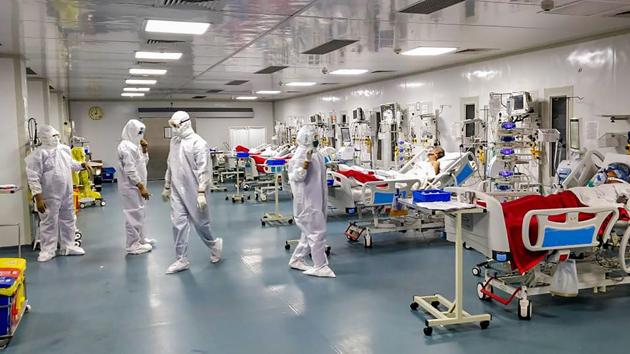
About 76% of those infected had comorbidities, and conditions that have been commonly observed in Covid-19 patients include hypertension, diabetes, liver disease, heart disease, asthma, chronic renal disease, chronic obstructive pulmonary disease (COPD), low immunity, malignancy, bronchitis and chronic neuromuscular disease among others.
Also read: UK raises Covid-19 alert to second highest level
Age-wise distribution of patient data analysed till Monday showed nearly 63% of the positive cases were either 40 years of age, or below, and just about 10% positive cases were above 60 years of age.
Men made up for 68.48%, and women 31.51% of the total case load.
The findings about the age-wise distribution of infections and deaths in India appear to be in line with what scientists have observed about the global trends of the disease — it disproportionally infects younger people, while it severely affects those who are older.
Fever, cough and sore throat are the most common three symptoms that Covid-19 cases experience. Of the data analysed of 37,084 laboratory confirmed cases, 25.03% had fever, 16.36 had developed cough, and 7.35% complained of sore (itchy) throat also.
Breathlessness was observed in 5.11% of the cases.
Government’s data shows India’s patient recovery graph is also going up steadily as nearly one in four Covid-19 cases are healthy individuals with no known comorbidities, leading to a better chances of recovery.
At least 90,000 Covid-19 patients have been cured and discharged from home or facility isolation and hospitals every single day for three consecutive days.
“This high rate of daily recoveries has positioned India as the top country globally with maximum number of recovered cases. This has also pushed the recovery rate to a high of more than 80%,” the health ministry tweeted on Tuesday morning.