
 E-Paper



Covid-19 not as deadly as Sars, Mers: WHO
The death rate of the Covid-19 virus in mainland China is 2.3%, shows the study of people diagnosed with the virus in China since the infection began in December.


The novel coronavirus (Covid-19) does not appear to be as deadly as other coronaviruses, including Severe Acute Respiratory Syndrome (Sars) and the Middle East Respiratory Syndrome (Mers), according to the World Health Organization, which flagged the first signs of a decline in new infections based on China’s biggest every study of at least 44,000 patients diagnosed with the infection since the start of the outbreak in December.
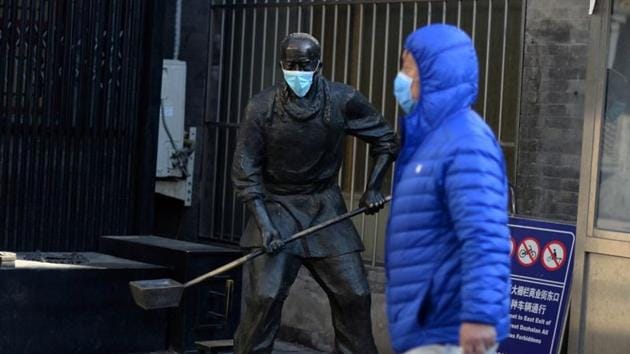
The death rate of the Covid-19 virus in mainland China is 2.3%, shows the study of people diagnosed with the virus in China since the infection began in December. Four in five people developed mild disease, with around 5% needing Intensive Care Unit-support for respiratory failure, septic shock and multi-organ failure. The sick, elderly and hospital staff are at most at risk, with the virus largely sparing children. Hubei province, of which the epicentre Wuhan City is a part, accounts for 94% of cases and has a higher death rate of 2.9%, compared with 0.4% in the rest of China. Globally, the death rate is 0.7%.
Covid-19 appears to be highly contagious, but the fatality rates are far lower than Sars, which had a death rate of 9.6% in 2002–2003, and Mers, which killed 35% of the people infected.
“Including Covid-19, there are seven coronaviruses that cause infection in humans, but most cause mild disease, including the common cold. Sars, that first appeared in China in 2002-03, and Mers in Saudi Arabia caused severe disease with very high mortality rate. Sars killed one in 10 people, and Mers killed roughly one in three people,” said Professor G Arunkumar, director of virology, Manipal Institute of Virology in Karnataka.
In terms of contagion, it’s comparable to influenza A (H1N1), popularly referred to as swine flu. “A major difference is that Covid-19 causes highly sustainable human to human infection, but the mortality is comparatively very low. In terms of spread, it is similar to influenza H1N1 virus,” said Professor Arunkumar.
The three students from Kerala who got infected with Covid-19 in China in January have since then recovered, which makes the Covid-19 death rate 0% in India, where common infections kill hundreds every day.
Covid-19 is not remotely as deadly as tuberculosis, which infects 2.69 million and kills 449,000 in India every year, making the death rate 16.65%. TB is a curable disease, with India’s National Tuberculosis Elimination Programme providing free medicines to everyone diagnosed with the infection, including its drug-resistant strains.
HIV (human immunodeficiency virus), which causes AIDS (acquired immune deficiency syndrome), affects 0.2% adults in India and has a death rate of 3.2%, according to the National AIDS Control Organisation.
“China’s revision of the national guidelines to include a ‘clinically diagnosed’ case definition allows patients to be access treatment more quickly, which will help bring down the fatality rate. Now, people with characteristics of pneumonia on imaging, fever and/or respiratory symptoms, and low or normal white blood cell count or decreasing lymphocyte count are included,” said Dr Poonam Khetrapal Singh, regional director, World Health Organisation South Asia Region.
India’s diagnosing and containment effort so far has been on track. “The scale of response of India for COVID-19 is massive and begins with the highest political commitment... It is a massive effort that needs to continue,” said Dr Khetrapal Singh.


