
 E-Paper



How Indian Railways is preparing for Cyclone Biparjoy | Details
Indian railways has tightened their disaster preparedness as Cyclone Biparjoy is predicted to landfall near Gujarat's Mandvi-Jakhau Port on June 14.
Updated on: Jun 12, 2023, 15:41:38 IST

 Prefer HTon Google
Share via


Copy link

As the India Meteorological Department (IMD) anticipates the very severe cyclonic storm Biparjoy over the east-central Arabian Sea would strike various parts of Gujarat, Indian railways has also adopted a variety of safety and effect mitigation measures. (Follow Cyclone Biparjoy latest updates here)
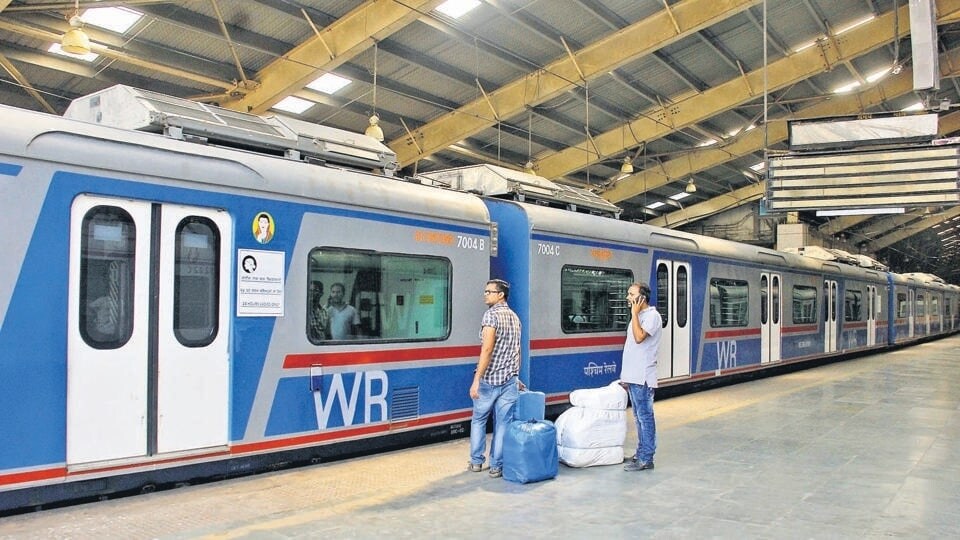
These include:
- Activation of Disaster Management Room at the Zonal Railway headquarters and round-the-clock manning by various departments.
- Operation of emergency control rooms at division headquarters in Bhavnagar, Rajkot, Ahmedabad, and Gandhidham.
- Regular monitoring of wind speed at multiple locations and instructions to regulate or stop trains if wind velocity exceeds 50 kmph. Anemometers have been installed at stations and reading of wind speed is being taken on an hourly basis. (ALSO READ | Cyclone Biparjoy: PM Modi holds high-level meeting, landfall likely Wednesday)
- Formation of online groups for real-time monitoring and coordination.
- Continuous monitoring of cyclone-related information on mausam.imd.gov.in website.
- Availability of sufficient diesel locomotives and coaching rakes for emergency evacuation.
- Suspension of loading of double stack containers and restriction on their movement.
- Review of passenger train schedules and necessary decisions based on the cyclone situation.
- Readiness of a relief train.
- Counselling of Loco Pilots & Assistant Loco Pilots regarding safety protocols during cyclone/storm conditions. All the necessary arrangements (food, medical etc) have been done at various running rooms meant for crew rest.
- Instructions to keep doors and windows of coaches open for the free passage of wind.
- Intensive footplate inspections have been conducted for close monitoring.
- Arrangements for the availability of fully fueled diesel locomotives and filled RCD fuel tanks back to normal operations after the cyclone in case road infrastructure for Railway Consumer Depots fuel movement is hampered.
- Alternate communication arrangements
- Alternate Power arrangements
- Arrangements for Reserve Material, Machinery and Man Power.
- Monitoring of Track and Bridges:
Security arrangements by RPSF
1. The deployment of an RPSF (Railway Protection Special Force) coy (company) to assist in emergencies.
2. RPSF company from nearby divisions have been deployed at the cyclone-prone region to meet the emergency situation.
3. Railways says officials have been advised to coordinate with, GRP, city police, civil authorities, SDRF and NDRF in view of the cyclone and to take necessary assistance in case of emergency.
Railways arrangements For Stranded Passengers
- Catering stalls will remain open during the cyclone-affecting period with sufficient stock of water & food materials.
- Regular announcements will be made regarding the status of the cyclone to alert passengers.
- The help desk is open at various stations in cyclone-prone areas.
- Tie up with the state transport services for shifting passengers to their destination in case of need.
- Ambulances and sufficient medicines are kept ready at hospitals and health units.


