
 E-Paper



Def Min moves Cabinet to set up independent weapon testing-certification agency
The umbrella body will ensure that private players in Indian defence sector are not at the mercy of government labs and testing facilities for getting their hardware certified for domestic use and exports.

 Prefer HTon Google


As a first major step towards “Atmanirbharta” vision of Prime Minister Narendra Modi, the Defence Ministry has approached the Union Cabinet to green light setting up of an independent nodal umbrella body to meet the wide-ranging testing and certification requirements of weapon systems developed and manufactured by Indian private sector.
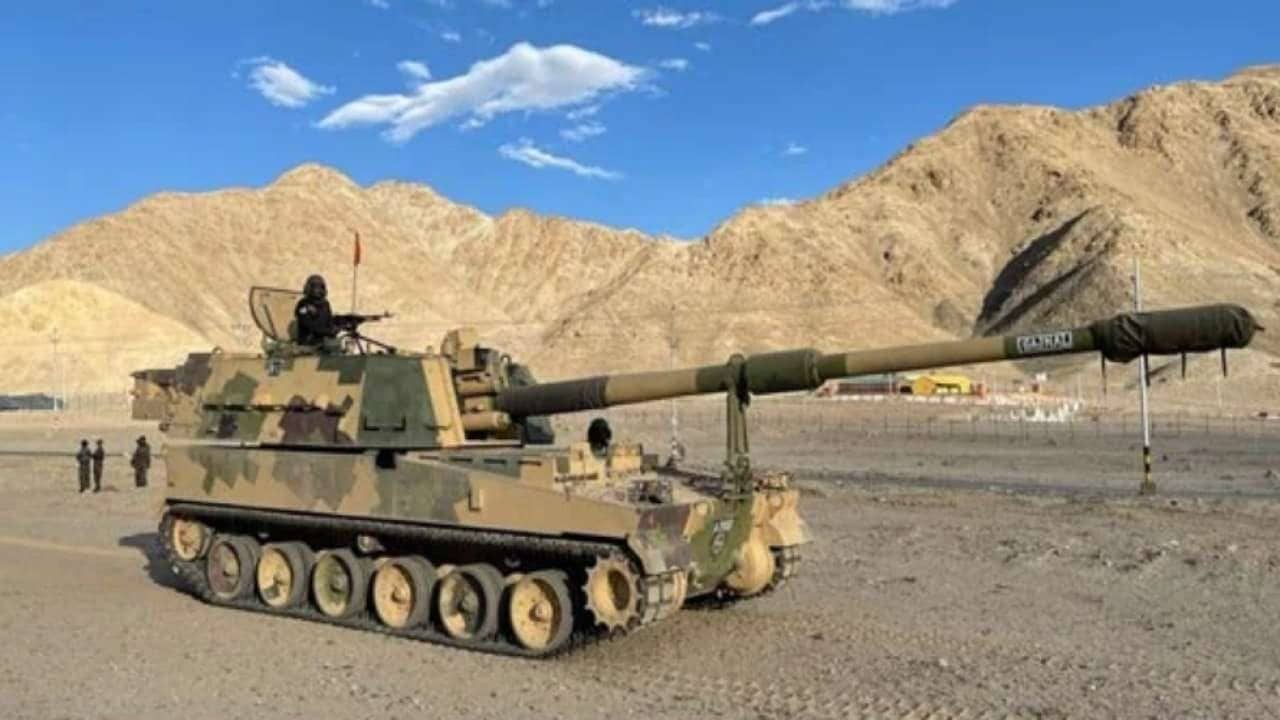
While the independent testing and certification body was envisaged in the Union Budget this year, the move is a huge step towards decoupling the Indian private defence sector industry from the clutches of the humongous veto exercising military bureaucracy on the Raisina Hill. By painting the private players as mere profiteers, the Indian military industrial complex has been at the mercy of these mandarins who are fantastic in promise but very low on delivery.
The new independent authority will ensure that private sector is not at the mercy of government’s laboratories and testing ranges for getting their equipment approved for both domestic sales and exports. With 68 per cent of defence capital procurement budget earmarked for domestic industry this financial year, it is time that the private defence sector took advantage of this move and started towards manufacturing high end products likes armed drones, autonomous combat vehicles, aircraft engines and submarines by setting up SPVs with western defence majors who are willing to set up shop in India.
The Russia-Ukraine war and the ensuing sanctions by the west reveal that the Indian private sector will have to hit the ground running as there will be a premium on self-reliance in military hardware all over the world. With the possibility of Russia being bogged down in Ukraine war increasing by the day, the spares and ammunition requirements for Russian origin weapon systems with India will run of the risk of sudden cut in the supply chains as Moscow ‘s priority will be war in the west. And last-minute replacements or acquisitions are going to cost a packet.
The ”Atmanirbharta” model of PM Modi is crucial for a country that has legitimate ambitions and capability for the global high table, but will the setting up of a nodal body of testing and certification be able to herald a new era in Indian defence sector. The answer is a no unless this is accompanied with strong reforms in departments under Defence Minister Rajnath Singh as the military establishment of India is like a Mammoth that is steeped in imperial legacy and moves at its own will and pace. There is a need for total revamp of the defence military planning and forecasting so that India develops latest technologies and futuristic weapon systems. It is a sobering thought that even a country like Turkey has developed Bayraktar TB2 armed drones in 2014 and have been put to good use by the Armenians in 2020 Nagorno-Karabakh war and now the Ukrainians are using it against Russian tanks despite huge military asymmetry between the two rivals. Armed drones, simulators for Apache and Chinook helicopters are areas that the private sector could deliver as young Indian entrepreneurs are bustling with energy and willing to participate in nation building with legitimate profits.
Before 2014, Indian defence sector catered to a military that kept silent on China and showed aggression on Pakistan. Fact is that strategic roads were not built up to China border for the fear that the PLA may use them to enter India. The May 2020 transgressions by the PLA in East Ladakh have rudely woken the Indian military establishment to the real threat on both land and high seas. Post Ukraine, self reliance or Atmanirbharta is the only panacea to deal with an uncertain world.


