
 E-Paper



Why 'free' public services can cost more, as per chief economic advisor V Anantha Nageswaran
V Anantha Nageswaran has been India's chief economic advisor since 2022.

 Prefer HTon Google


Promises of free or heavily subsidised public services come at a hidden cost, chief economic advisor (CEA) V Anantha Nageswaran has said. The government official also said that building infrastructure while charging below-cost prices was unsustainable.
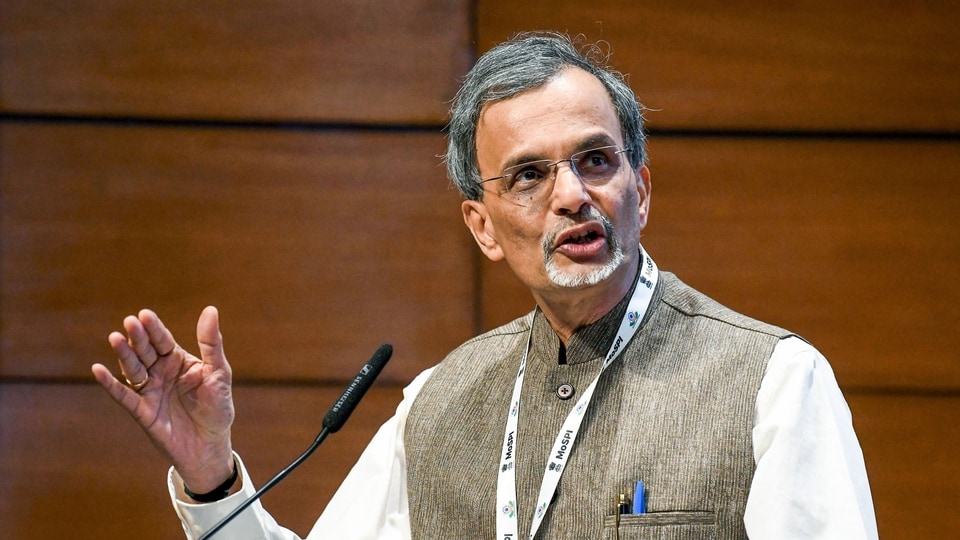
Addressing the CII Tamil Nadu Infrastructure Summit 2026, Nageswaran said political approaches to utility pricing, urban planning and infrastructure financing often weaken the country's long-term economic health.
"Free is the most expensive word in public policy," he said, as per PTI. The CEA said pricing essential services such as water at zero makes people treat them as unlimited, leading to waste. "The thing we call free is the thing we destroy. This is not a paradox, it is a policy choice and it can be chosen differently."
READ MORE | India needs a new economic strategy
Fair pricing attracts investment
Nageswaran said low utility prices also make it difficult to attract long-term investment in infrastructure.
He said capital is "not sentimental" and investors put money into projects only when they can expect stable returns over 20 to 30 years. That, he added, depends on users paying a fair price.
Free services do not always help the poorest
Nageswaran said free water often benefits households with piped connections, while many poor families without such access are forced to buy water from private tankers at much higher prices.
He said charging the right price for utilities would allow governments to support vulnerable people directly while giving utility providers enough money to expand services.
He also warned that "free" infrastructure always comes at a cost. "Someone always will end up paying."
According to him, either users pay a fair price, taxpayers bear the cost, or public assets suffer because of poor maintenance.
ALSO READ | 'We won't fix it, we'll take more debt': Pak minister on why the country's economy is collapsing
Low FSI limits increase flood risk
The CEA also criticised low Floor Space Index (FSI) limits in cities. He said restricting vertical growth pushes cities to spread out, raises land prices and encourages construction on lakes, ponds and other natural water bodies.
"This inevitably drives developers to build on the cheapest available plots, often historical tanks, filled-in ponds, and critical catchments. By trading natural water storage for floor space, cities guarantee severe flooding during the monsoons and debilitating droughts when the rains fail," Nageswaran said.
Referring to Chennai's 2019 water crisis, he said policymakers should not forget the lessons from the city nearly running out of water.
ALSO READ | UPITS-2026 a key step towards trillion-dollar economy goal: Yogi
Public spending alone is not enough
Nageswaran said India recorded 7.7% economic growth and Union government capital expenditure has increased four-fold to more than ₹12 lakh crore. However, he said government spending alone cannot support infrastructure development.
"For India's economic momentum to become a lasting inheritance, the nation must embrace the discipline to honour contracts, build to last, and price utilities with honesty and courage."
Who is V Anantha Nageswaran?
V Anantha Nageswaran has been India's chief economic advisor since 2022. Before joining the government, he worked as an economist, author, teacher and consultant. He was Dean of the IFMR Graduate School of Business and a Distinguished Visiting Professor of Economics at Krea University. He also served on the Economic Advisory Council to the Prime Minister between 2019 and 2021.
He holds a Post Graduate Diploma in Management from the Indian Institute of Management Ahmedabad and a doctoral degree from the University of Massachusetts Amherst.


