
 E-Paper



Union Budget 2018: Defence allocation unlikely to go up
The defence budget will be largely focused on building the country’s military capabilities, especially on its northern borders with China as well as on boosting maritime security in the Indian Ocean.

 Prefer HTon Google


India’s defence budget for 2018-19 will largely account for only inflation and currency fluctuations, despite the armed forces coveting the latest and the best hardware, defence ministry officials said on condition of anonymity.
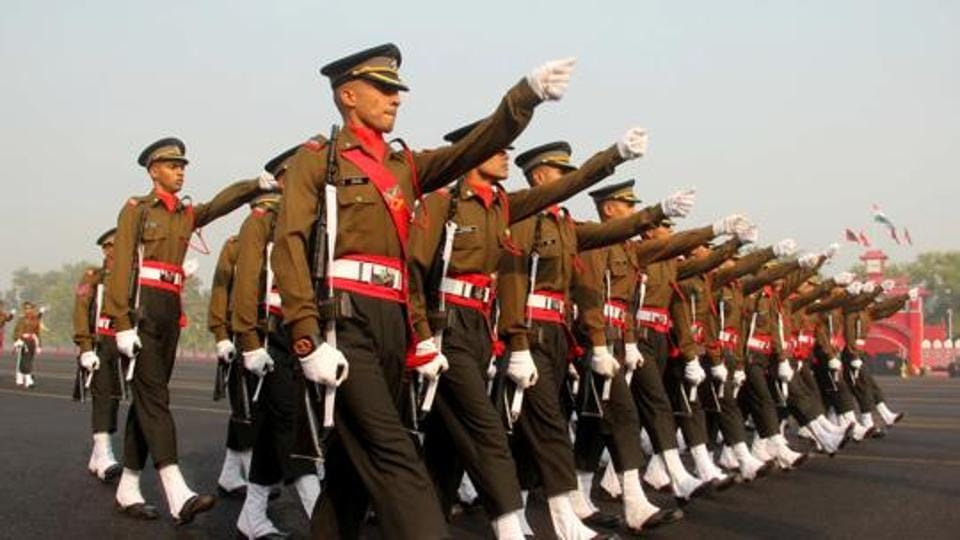
The defence budget will be largely focused on building the country’s military capabilities, especially on its northern borders with China as well as on boosting maritime security in the Indian Ocean with the Andaman and Nicobar Islands being the hub for such efforts, the officials added.
According to the officials, India’s capital defence expenditure is to the tune of 28% of the government’s total capital expenditure. The Defence Ministry is keen to propose and interservice priority military hardware list for optimum utilization of the budget, keeping in mind the national security objectives, they added.
According to the figures accessed by HT, the defence ministry has utilised 90% of the capital outlay and 82.6% of the 2017-18 revenue budget. “We have spent nearly Rs 1.42 lakh crore out of total 1.72 lakh crore of the revenue budget, which continues to rise on account of OROP (One Rank One Pension). We have spent 78,000 crore our of 86,000 crore of the capital outlay with the Air Force utilizing its entire acquisition budget. The capital outlay was entirely utilized in 2016-17,” said one of the officials.
Although the Indian Navy has sought an increase capital outlay to increase the number of its warships to 200 and a new aircraft carrier which will cost nearly Rs one lakh crore without the aircraft, the defence ministry is realistic enough to understand that the Narendra Modi government will not spend more than 29-30% of the government’s total capital outlay for acquisition, the officials said.
However, the main focus of the defence budget spending is expected to be along the 3,488 kilometer Line of Actual Control (LAC) with China as the western border has enough capability to deter any threat from Pakistan. Besides, capital will be spent to upgrade the military capacities in Andaman Nicobar Islands given that the territories sit on the critical sea lane of communication passing through Malacca Straits into South China Sea.
“The reason for focusing on northern borders is not so difficult to understand as the Chinese PLA’s speed of deployment during Doklam stand-off was far beyond the expectations of Indian military planners,” a second official added.


