
 E-Paper



Delhi's air turns hazardous again with 19 stations breaching ‘severe’ mark
Delhi AQI: Air quality is expected to remain in the “very poor” category until at least December 5, with no improvement likely over the following six days.

 Prefer HTon Google


Delhi’s air quality slipped back into hazardous territory on Tuesday evening, with pollution levels climbing rapidly across the city and several neighbourhoods crossing into the ‘severe’ category.
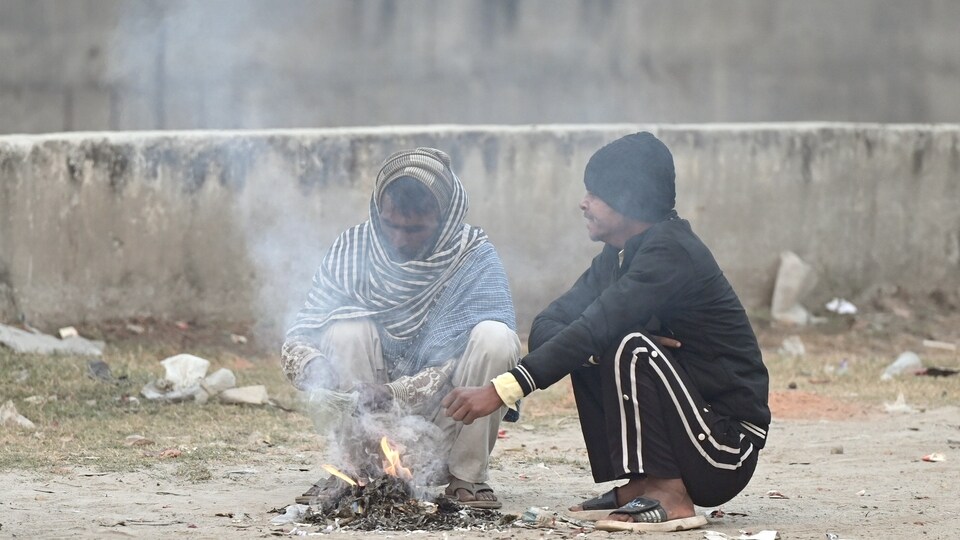
By 9 pm, the national capital recorded AQI of 390, a sharp jump from 304 on Monday and 279 on Sunday, data from the Central Pollution Control Board (CPCB) showed.
Out of 39 monitoring locations, 19 stations registered AQI levels above 400, marking a return to conditions known to cause serious health impacts.
Areas recording severe pollution included Burari, Anand Vihar, Mundka, Bawana, Vivek Vihar, Rohini, Sonia Vihar, Ashok Vihar, Punjabi Bagh and several others.
Delhi AQI forecast
Delhiites shouldn’t expect cleaner air just yet. The Air Quality Early Warning System for Delhi has warned that pollution levels are unlikely to improve anytime soon.
According to the forecast, city’s AQI is expected to remain in the “very poor” category until at least December 5. It added that pollution levels are likely to stay in the same range for the following six days as well, indicating no immediate improvement in overall air quality.
Stations with AQI above 400
According to CPCB’s Sameer app, these stations recorded ‘severe’ AQI levels as of 8 pm on Tuesday:
| Monitoring station | AQI |
|---|---|
| Anand Vihar | 421 |
| Ashok Vihar | 418 |
| Bawana | 438 |
| Burari Crossing | 407 |
| Chandni Chowk | 471 |
| DTU | 406 |
| Jahangirpuri | 408 |
| Jawaharlal Nehru Stadium | 416 |
| Mundka | 418 |
| Nehru Nagar | 446 |
| Okhla Phase 2 | 431 |
| Patparganj | 404 |
| Punjabi Bagh | 412 |
| RK Puram | 426 |
| Rohini | 420 |
| Siri Fort | 408 |
| Sonia Vihar | 411 |
| Vivek Vihar | 437 |
| Wazirpur | 433 |
As per CPCB standards, an AQI of 0–50 is classified as good, 51–100 satisfactory, 101–200 moderate, 201–300 poor, 301–400 very poor, and 401–500 severe.
Transport emerges as biggest local contributor
Meanwhile, transport pollution remained the largest local source of emissions on Tuesday. According to news agency PTI, the sector accounted for 18.4% of Delhi’s overall pollution, followed by emissions from peripheral industries (9.2%). Neighbouring cities also contributed significantly: Noida (8.2%), Ghaziabad (4.6%), Baghpat (6.2%), Panipat (3.3%) and Gurugram (2.9%).
Transport emissions are expected to contribute 15.6% on Wednesday, according to the forecast.


