E-Paper



Eye injuries prompt Madhya Pradesh to ban carbide guns used as firecrackers
Deputy chief minister Rajendra Shukla directed district administrations to seize the existing stock and halt the sale and production of calcium carbide guns

 Prefer HTon Google


The Madhya Pradesh government has banned the sale, purchase, and manufacturing of calcium carbide guns used as firecrackers after nearly 300 people suffered sight-threatening eye injuries across the state during Diwali festivities.
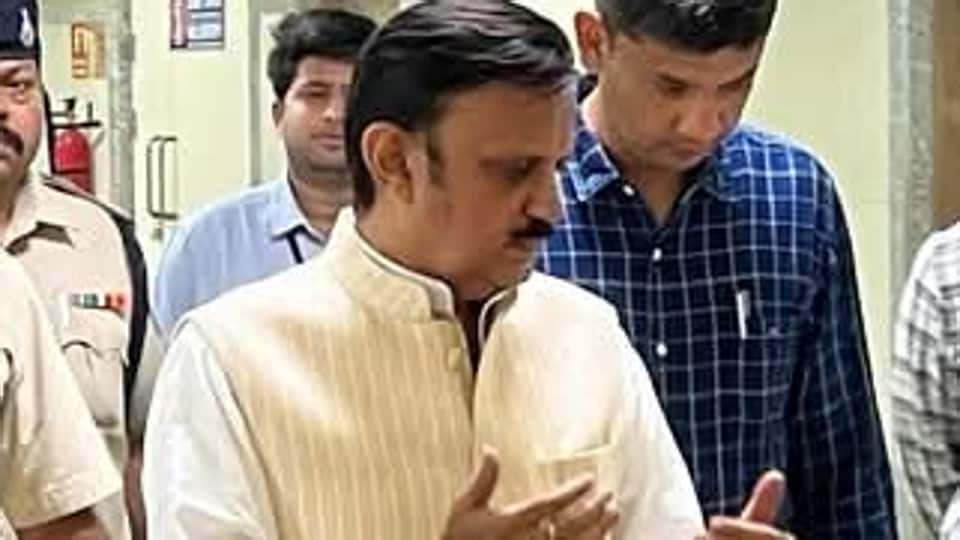
Deputy chief minister Rajendra Shukla directed district administrations to seize the existing stock and halt the sale and production of calcium carbide guns. Administrations in Bhopal, Vidisha, and Gwalior issued orders complying with the directions late Thursday to enforce the ban.
Shukla, who met two patients undergoing treatment for eye injuries at Bhopal’s Hamidia hospital on Friday, promised strict action against the sellers, manufacturers, and users of the calcium carbide guns. He added that cases will be registered against those who violate the ban.
People aware of the matter said that 15 of the approximately 300 people who suffered eye injuries in the state underwent eye surgeries in Bhopal. Another 15 remain under observation. Over 50 injuries were reported from Vidisha and 56 from Gwalior. Most of the victims are children aged between seven and 14.
A case was registered in Bhopal against one Mohammad Taha for his alleged involvement in the distribution of calcium carbide guns. In Gwalior, a person was arrested for selling the banned device.
Sub-divisional magistrates have been asked to inspect retail and wholesale firecracker shops to ensure compliance with the ban.
The All India Ophthalmological Society issued an advisory on Thursday, urging doctors nationwide to report cases linked to carbide gun injuries.