E-Paper



‘Failure of marriage not end of life’, Supreme Court tell young couple
The apex court, invoking its special powers under Article 142 of the Constitution, granted the divorce and also terminated all pending legal proceedings between the parties.

 Prefer HTon Google


The failure of a marriage does not mark the end of life, the Supreme Court told a young couple while urging the estranged partners to move forward rather than engage in prolonged legal battles.
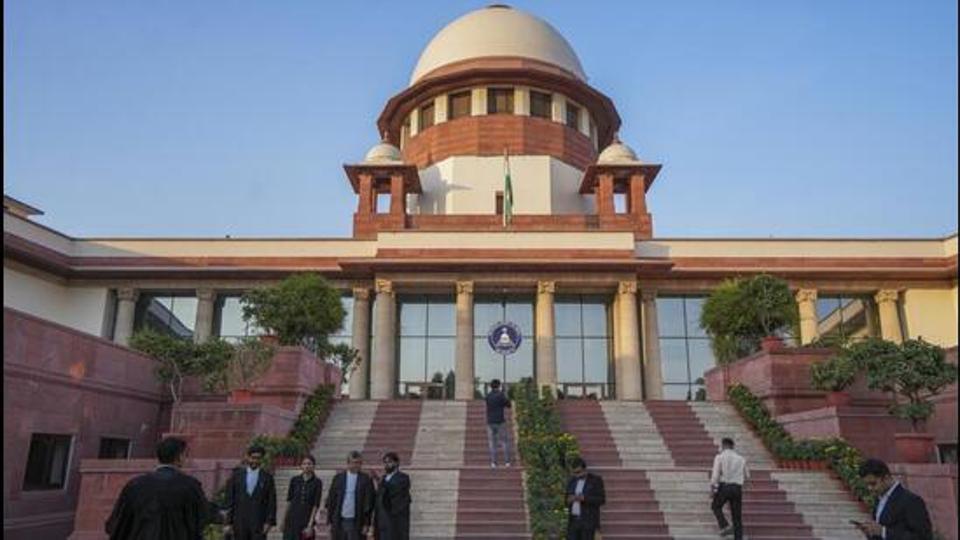
A bench of justices JB Pardiwala and R Mahadevan dissolved the marriage of a young couple who had been entangled in a series of litigations since their separation within a year of tying the knot.
The apex court, invoking its special powers under Article 142 of the Constitution, granted the divorce and also terminated all pending legal proceedings between the parties. “The parties are young. They must look ahead towards their future. If the marriage has failed, that is not the end of life for both. They must look ahead and start a new life,” the bench held.
The case involved multiple litigations filed by both spouses and their families, spanning criminal and civil cases across different courts in Maharashtra and Madhya Pradesh. The wife had accused her husband and in-laws of harassment, leading to the initiation of several cases, including charges under Section 498A (cruelty to a woman by her husband or his relatives) of the Indian Penal Code and proceedings under the Domestic Violence Act. The husband and his family, in turn, had filed suits seeking damages and transfer of cases.
The court noted that 17 different proceedings had been initiated between the couple and their relatives. Underlining the futility of prolonging the dispute, the bench advised: “There is no point in contesting all these litigations, as these litigations will go on for years and years together.” The court also stated that the dissolution of marriage would put an end to all pending disputes.
“As we have dissolved the marriage, all the pending proceedings between the parties stand terminated. Even if there is any other proceeding not included in the list, the same stands terminated,” the judgment, delivered on February 11 but released on Wednesday, stated.
The verdict reaffirms the Supreme Court’s authority to dissolve marriages using its extraordinary powers under Article 142 of the Constitution.
While both cruelty and desertion are grounds for divorce under sections 13(1)(ia) and 13(1)(ib) of the Hindu Marriage Act, irretrievable breakdown of marriage is not a ground for divorce under the law, and was conceived by the top court through successive decisions.
A Constitution bench, by its ruling on May 1, 2023, put its stamp of approval on the Supreme Court exercising its extraordinary power under Article 142 to dissolve marriages that become unsalvageable. Public interest lies in dissolving a “dead marriage” when a relationship has been wrecked beyond hope of salvage, the five-judge bench held, ruling that the Supreme Court can grant divorce in the event of “irretrievable breakdown” without sending the parties to a family court, where they must wait for at least six months to obtain by mutual consent or by proving accusations against each other.
In the present case, the court ensured that both parties could move on without the weight of legal disputes hanging over them. “The parties are requested to now live peacefully and proceed further in life,” stated the bench, marking a conclusive end to their legal battles.