
 E-Paper



'Govt allowing this to happen': Supreme Court questions overpricing of medicines, massive gap in MRP and cost to retailers
The SC bench questioned why the system appeared to favour pharmaceutical manufacturers and asked whether such practices should be allowed to continue unchecked

 Prefer HTon Google


The Supreme Court on Tuesday pulled up the Centre over the significant gap between the maximum retail price (MRP) of medicines and the prices at which retailers purchase them, questioning the government's oversight of drug pricing in the country.
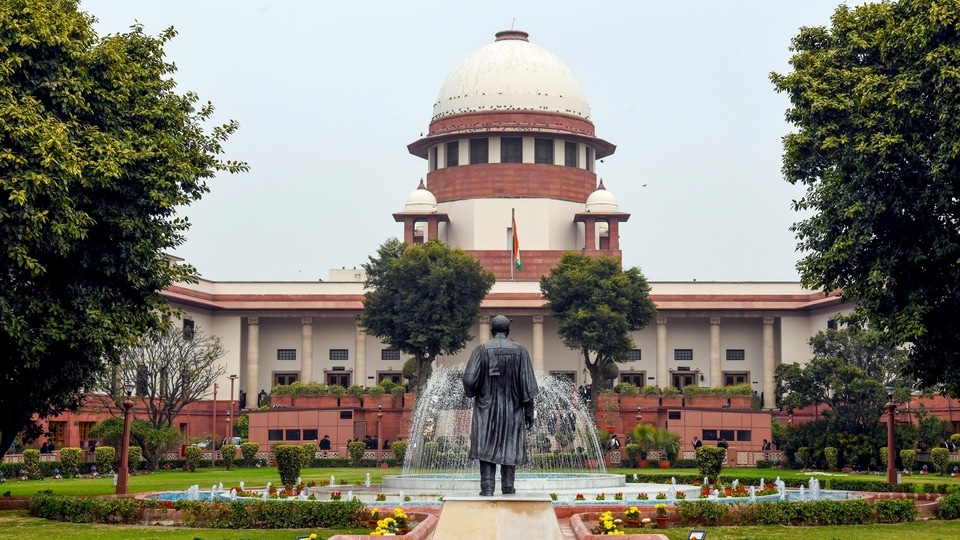
Hearing two petitions that raised concerns over medicine pricing, a bench of Justices Vikram Nath and Sandeep Mehta questioned why the system appeared to favour pharmaceutical manufacturers and asked whether such practices should be allowed to continue unchecked, according to PTI.
Also Read | SC orders Centre to form panel for law on unethical pharma marketing
Deep Dive

“The government is allowing this to happen. It is under the government's own eyes that it is happening,” the bench told Centre.
“Should it be allowed to run amok?” the bench asked.
The bench also described the National Pharmaceutical Pricing Authority (NPPA), the body responsible for regulating drug prices, as appearing to be a “totally defunct” organisation.
During the hearing, Additional Solicitor General Aishwarya Bhati, appearing for the Centre, told the court that the government's policy was “that the entire ecosystem is not to be controlled”.
Also Read | SC asks govt to expedite regulating prices of life saving drugs
Bhati said that medicine prices in India were among the lowest in the world, arguing that the government needed to balance affordability with the availability of medicines and the broader interests of the pharmaceutical industry.
The bench reserved its order in the matter.
In an earlier matter heard on October 12, the top court had said the Centre's response on capping the trade margin of anti-cancer drugs at 30 per cent of the maximum retail price (MRP) was "hardly anything to be happy about" and questioned why the government cannot cap trade margins of other medicines.
The Centre, which had earlier come under severe criticism from the top court for steep markup of cancer drugs by hospitals, said that the government has taken an important decision to cap the trade margin on anti-cancer drugs at 30 per cent of the MRP, which is expected to result in annual savings of approximately ₹2,500 crore to patients.
(With PTI inputs)


