
 E-Paper



Govt injects Rs 36,000 crore of direct cash to farmers since lockdown began
Under PM-KISAN, the government provides income support of Rs 6000 a year to farmers with a valid enrolment, paid in three equal cash transfers of Rs 2000 -- one every four months.


The government has injected nearly Rs 36000 crore of direct cash for farmers in the lockdown period to get the severely affected farm sector back on course again, but transportion, shortage of labour and markets are yet to pick up pace despite relaxations from the ongoing lockdown.
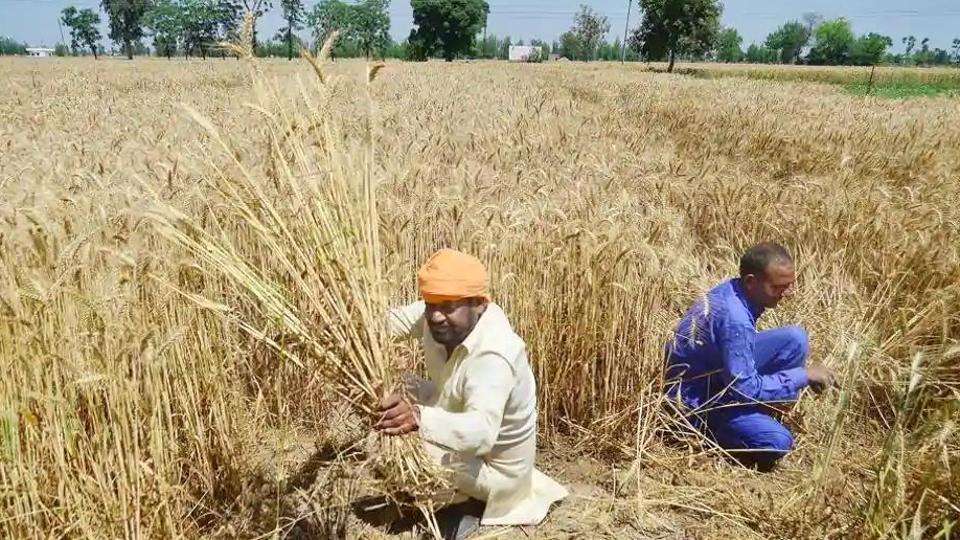
Under the Pradhan Mantri Kisan Samman Nidhi or PM-KISAN, the income transfer scheme for farmers, the government has transferred Rs 16927 crore to the bank accounts of nearly 84 million farmers since the country went into lockdown on March 24, according to official data.
Under PM-KISAN, the government provides income support of Rs 6000 a year to farmers with a valid enrolment, paid in three equal cash transfers of Rs 2000 -- one every four months. It was launched on 24 February, 2019, when the first instalment was paid. Cash transfers under the programme take place every four months: for the periods of December to March; April to July; and August to November.
Under the state-regulated farm insurance scheme, the Pradhan Mantri Fasal Bima Yojana (PMFBY), insurance companies have paid Rs 2424 crore in claims in 12 states.
Banks have also approved farm loans worth Rs 17,800 crore under the Kisan Credit Card (KCC) to 1.82 million farmers out of a total of 8.3 million applications.
The payouts are aimed at easing the credit crunch in the farm sector. They will help fund operations for harvesting and sowing in the upcoming kharif or summer-sown season.
Shortage of labour and transport facilities remain key hurdles for farmers, as social distancing rules are being enforced on farmers and markets. Transporters said despite the Union home ministry’s guidelines that allow several rural-economy sectors to resume operations from April 20, those employed in these sectors lacked “clarity” on various aspects.
“There is still a lot of clarity needed from the government’s side on the guidelines and how and when businesses can resume their operations fully and all of us are still trying to understand this from local authorities,” said Pushkar Singh, the CEO of LetsTransport, a logistics firm.
The biggest challenge, Singh said, is that a “lot of migrant workers who work in the logistics sector have left for their homes and it will be a tough task to replace all that workforce in a short period of time”.
“The problem is that current harvesting is taking longer because of shortage of labour. This labour shortage could spillover to the summer sowing season as well,” said R Mani of the Tamil Nadu Agricultural University.


