
 E-Paper



Hit by Covid, out-of-work Varanasi weavers selling fruits and vegetables
The weavers demand that the government provide relief to the those devastated by the pandemic.


Reverberating with the sound of powerlooms till four months ago, the lanes of Kazaakpura - in Lallapura of Varanasi - are eerily quiet. The weavers are jobless, sans any orders for sarees.
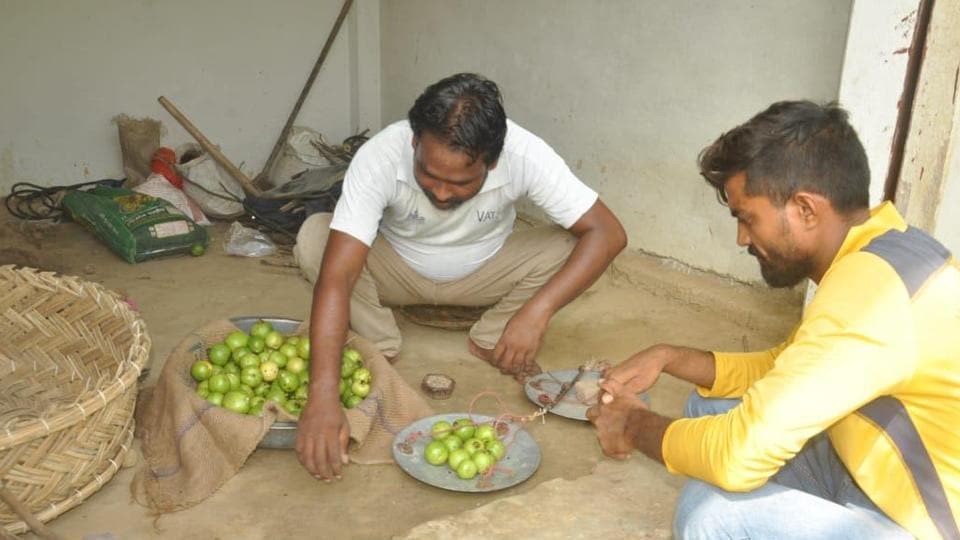
Many have even started selling fruits and vegetables to make ends meet.
Shailesh Kumar Patel, a weaver from Korhuwan village, who used to be busy preparing sarees and stoles, is now selling vegetables. “What to do, there have been no orders for the last three months,” he said.
Ramesh Patel, a master weaver of the same village, owns five powerlooms. All are silent.
“I haven’t received any order for weaving sarees, brocade, angavastram for the last three months. It’s a livelihood crisis before weavers like me. We are now selling vegetables in the village to meet our daily household expenses,” Patel said. “This pandemic has crippled us,” he added.
In normal days, a weaver would earn ₹250 to ₹350 daily. There are around 3 lakh weavers associated with the famous Banarasi saree and textile sector in Varanasi.
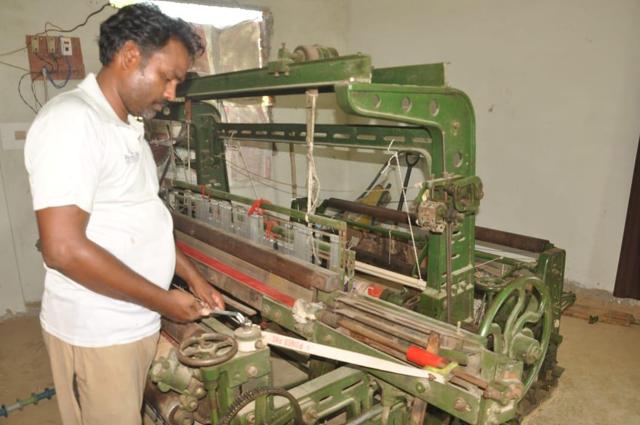
After wholesalers or big shop owners place orders, the weavers purchase silk yarn and weave saree on handloom or powerloom installed at their homes. Once the saree is ready it’s sold to wholesalers who sell the same to retailers from where the Baranasi sarees reach the customers.
“There are no orders. No one knows how long this situation would last. Therefore, I started selling fruits to make an earning for meeting daily expenses,” says Shailesh.
Ramesh said that powerlooms owned by Ashok Kumar Rai, Sheetla Prasad Rajbhar too have gone silent and which is why they have now taken to farming or some other work to sustain themselves.
Master weaver Matin Kaifi works for the welfare of weavers. “Till four months ago, the lanes in Lallapura, Madanpura, Kazzakpura, Bunkar colony used to reverberate with the sound of powerlooms and handloom. At present, silence prevails here as wholesalers are not placing the orders due to general slump in demand,” Kaifi said.
He demanded the government should provide relief to the weavers devastated by the pandemic.
“Banarasi Vastras, including sarees traders, have decided to keep their shops closed till August 6 due to no orders and no customers in the market. Situation will improve only when fresh orders pour in,” Banarasi Vastra Udyog Association general secretary Rajan Bahal said.
“Banarasi Vastra Udyog has a chain which connects the weavers, wholesalers, retailers, and silk yarn sellers. When there are customers in the market, the sale is good and retailers place new orders for Banarasi saris, brocades and other clothes. As soon as we get fresh orders, we place orders to the weavers and they get work. But at the moment this chain is broken,” he said.
“Due to the pandemic, marriages and other auspicious events aren’t happening and this has further compounded our miseries. In these functions, people would gift sarees and dress up nicely. Now, I think the situation would improve only after the pandemic dies out,” he said.
“This is the toughest period of my three-decade long business career. With each passing day, the situation is worsening. We are managing the show, somehow. Now, we have received some orders for exports and this has offered a ray of hope,” Mukund Agarwal, former president of eastern UP Exporters Association.
Assistant Commissioner Handloom and Textile, Varanasi region, Nitesh Dhawan said steps have been taken to mitigate the problems of the weavers. “A number of steps with a holistic approach have been taken to generate work for the weavers and improve their condition. The steps include capacity building and training to the weavers on designs, export promotion and marketing of different handloom and textile products,” he said.
Dhawan said the efforts made by his department would start showing results over the next couple of months.


