
 E-Paper



Another Air India plane dropped 900 feet 38 hours after Ahmedabad crash: Report
Officials said the Delhi-Vienna flight report cited only “stick shaker due to turbulence” after takeoff, omitting other key alerts like stall and GPWS warnings.

 Prefer HTon Google


Just 38 hours after the fatal AI 171 crash in Ahmedabad that claimed over 260 lives on June 12, another Air India flight—AI 187 bound for Vienna—faced a serious in-flight warning. The Boeing 777 reportedly triggered a Ground Proximity Warning System (GPWS) alert, specifically a “don’t sink” warning, after the aircraft reportedly lost around 900 feet of altitude during its climb from Delhi.
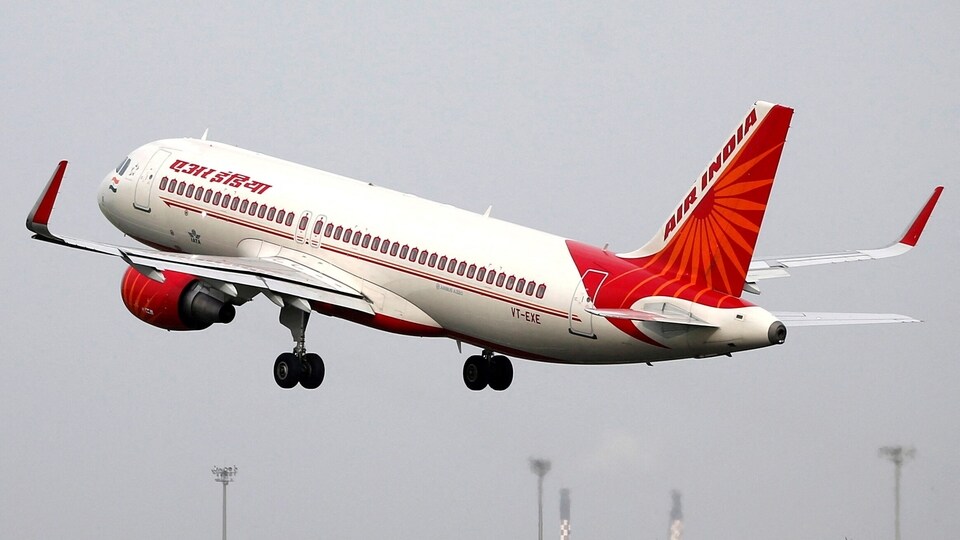
The pilots, however, managed to stabilise the aircraft and continued the flight safely to Vienna, according to a Times of India report.
The Directorate General of Civil Aviation (DGCA) has launched an investigation into the incident. AI’s head of safety has been summoned, and both pilots have been removed from flying duties until the probe concludes, the report added.
What happened to AI 187?
According to flight tracking websites, the Boeing 777 (registration VT-ALJ) departed Delhi at 2:56 am on June 14 amid stormy weather conditions. Delhi was experiencing a thunderstorm at the time.
Officials familiar with the matter told The TOI, “The aircraft was involved in an inflight occurrence of stick shaker and GPWS caution. Soon after takeoff, stick shaker warning and GPWS don’t sink caution appeared. Stall warning came once and GPWS caution came twice. There was an altitude loss of around 900 feet during climb. Subsequently, the crew recovered the aircraft and continued the flight to Vienna.”
The "stick shaker" system triggers a vibrating control column and loud noise in the cockpit to warn pilots of a serious flight condition requiring immediate action. In this case, the crew responded promptly and successfully completed the journey to Vienna, which lasted 9 hours and 8 minutes.
Because of longer flight routes due to ongoing airspace restrictions, the aircraft made a planned technical halt in Europe before continuing on to Toronto with a fresh crew.
However, officials pointed out that the post-flight report for the Delhi-Vienna leg only cited “stick shaker due to turbulence after takeoff,” without detailing other significant alerts. A deeper review of the flight data recorder (DFDR)—likely part of increased surveillance after the AI 171 crash—revealed additional warnings, including a “don’t sink” GPWS alert and a stall warning, that had not been documented earlier.
AI 171 crash
Air India Flight AI-171 crashed shortly after takeoff from Ahmedabad on June 12, resulting in the deaths of 241 out of 242 people on board. It was the first fatal accident involving a Boeing 787-8 Dreamliner.
India’s Aircraft Accident Investigation Bureau (AAIB), the country’s top agency for probing aviation disasters, is leading the investigation. Officials confirmed that both the cockpit voice recorder (CVR) and flight data recorder (FDR) – known as black boxes – have been recovered from the crash site and sent to Delhi for examination.
The government has said that the black box data is currently being analysed. Investigators are attempting to reconstruct the aircraft’s final moments to identify what led to the crash.
Multiple possibilities are under scrutiny, including a sudden engine shutdown, power failure, system errors, or pilot error. Aviation experts stress that only a thorough review of the black box data will reveal the exact cause of the June 12 crash.


