
 E-Paper



How a Hyderabadi biryani restaurant probe uncovered a ₹70,000 crore tax evasion scam across India
A routine inspection of biryani restaurants in Hyderabad unveiled a staggering ₹70,000 crore tax evasion scheme across India. Here's how cops cracked the case

 Prefer HTon Google


What started as a simple check on biryani restaurants in Hyderabad has uncovered a huge tax evasion scam hiding inside restaurants across India.
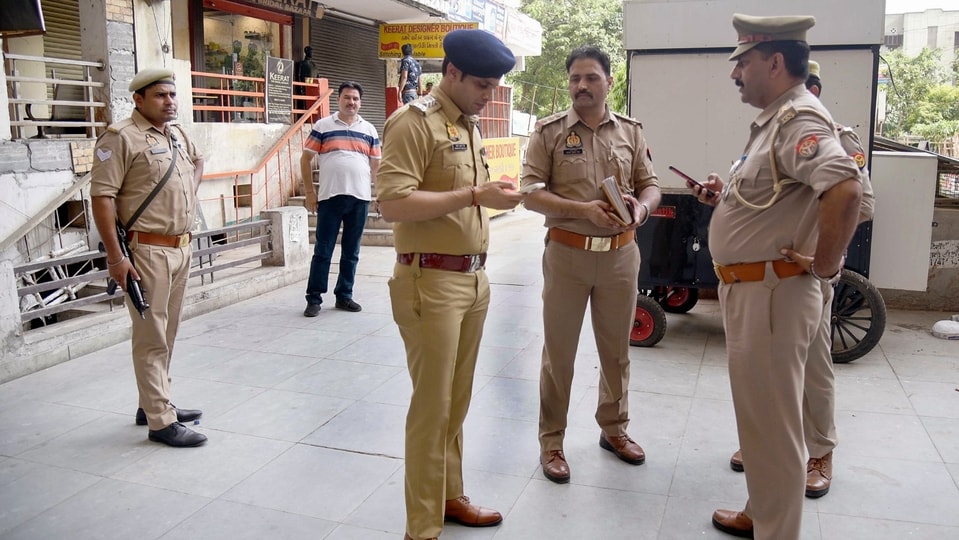
Police found that many restaurants were earning money but pretending they earned much less, so they could avoid paying taxes. This added up to around ₹70,000 crore of tax evasion over the last few years, The Times of India reported.
ALSO READ | Govt panel investigating Mundhwa land scam gives clean chit to Parth Pawar
The discovery was made by studying a giant computer system used by restaurants to make bills. This billing software is used by more than one lakh restaurants across the country. Using computer tools and artificial intelligence, officials checked billing records from nearly 1.77 lakh restaurants and examined about 60 terabytes of data. They found that after customers paid, many bills were quietly deleted or changed inside the system, the report stated.
Across India, restaurants using this software erased bills worth over ₹13,000 crore. In Andhra Pradesh and Telangana alone, hidden sales came to more than ₹5,100 crore. To double-check, officers visited 40 restaurants in person and compared real sales with computer records. Even this small check revealed nearly ₹400 crore in missing sales, the report noted.
ALSO READ | J&K Police bust ₹209 crore interstate online investment scam; 8 arrested
Some states stood out more than others. The highest evasion was found in Karnataka, followed by Telangana and Tamil Nadu. Shockingly, some restaurants didn’t even bother deleting bills, they simply told the tax department they earned less money than they actually did.
From the data studied so far, officials believed that about one-fourth of all restaurant sales were hidden.
How the trick worked
Restaurants usually enter all payments, cash, cards, and UPI, into billing software so staff cannot steal money. But investigators found that owners themselves were misusing the system.
One common trick was deleting only cash bills, since cash is harder to track. Another trick was wiping out all bills for certain days or even a whole month, and then filing tax returns showing very low income, the report said.
The data covered restaurant sales of nearly ₹2.43 lakh crore over six years. To analyse everything, officers worked from digital labs using AI tools that matched restaurant records with online information like GST numbers and public listings.
The investigation first began in Hyderabad, Visakhapatnam, and nearby towns. Once officials realised how big the scam was, the probe was expanded to the entire country.
Officials said this is probably just the beginning, because many other billing software systems exist, and they may be hiding similar secrets.


