E-Paper



How Pakistan’s response to Uri and Pathankot attacks differed
The day the terrorist siege of Pathankot airbase ended in January, Pakistan condemned the attack and said it was working on leads provided by India about the perpetrators. A day later, Pakistan Prime Minister Nawaz Sharif called his Indian counterpart Narendra Modi and said terrorists always try to derail the bilateral peace process.

 Prefer HTon Google


The day the terrorist siege of Pathankot airbase ended in January, Pakistan condemned the attack and said it was working on leads provided by India about the perpetrators. A day later, Pakistan Prime Minister Nawaz Sharif called his Indian counterpart Narendra Modi and said terrorists always try to derail the bilateral peace process.
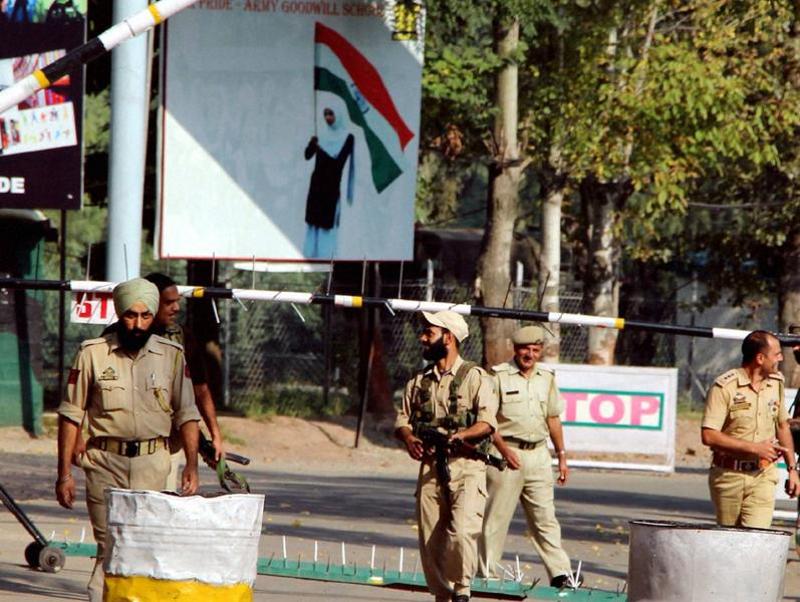
The contrast in Pakistan’s response to the terror attack on an army base in Uri that killed 17 soldiers on Sunday couldn’t be more striking. There has been no offer of cooperation and the only civilian Pakistani leader to respond – foreign policy chief Sartaj Aziz – has not even condemned the attack.
Here’s how Pakistan’s response to the Pathankot and Uri attacks has differed:
Pathankot attack
*Soon after Indian troops ended the siege at the airbase on January 4 and Pakistan-based Jaish-e-Mohammed was blamed for the attack, Pakistan condemned the attack and said it was in “touch with the Indian government and is working on the leads provided by it”. Pakistan also said the two countries should remain committed to a “sustained dialogue process” and sought a “cooperative approach” to counter terror.
* On January 5, Sharif called Modi and said terrorists try to derail any serious effort to bring peace between the two countries”. He also said Pakistan would investigate “in detail on the leads and information” provided by India.
* On January 8, Sharif meet senior military and intelligence officials and reviewed progress made in investigating the leads provided by India. The following day, Sharif told US secretary of state John Kerry that Pakistan was “swiftly carrying out an investigation” and would bring out the truth.
* On January 13, Sharif chaired another meeting to review the probe into the Pathankot attack and a statement said several individuals belonging to JeM had been apprehended and offices of the terror group were being traced and sealed. Sharif also decided to send a special investigation team to Pathankot to gather additional information.
* The Pakistani special investigation team visited India during March 27-April 1 and was also allowed into the Pathankot airbase. However, the investigation has not been closed and it is still not known what action has been taken against the JeM operatives who were reportedly apprehended.
Uri attack
* Hours after the attack on the army camp that killed 17 soldier on September 18, Pakistan Foreign Office spokesman Nafees Zakaria rejected India’s assertion that the JeM was behind the strike and said “India has a history of blaming Pakistan immediately after a terror attack, which always proved wrong in investigations”. Zakaria said India was using different tactics to divert the world’s attention from the situation in Kashmir.
* A statement issued on September 19 by Sartaj Aziz, advisor on foreign policy to Sharif, again rejected India’s assertion that Pakistan was involved in the Uri attack and accused New Delhi of trying to divert attention from the Kashmir issue. Aziz, dwelt more on the situation in Kashmir and did not condemn the Uri attack. There was also no offer of cooperation to probe the assault.
* Pakistan Army chief Gen Raheel Sharif chaired a meeting of his Corps Commanders on September 19 and described India’s reaction to the Uri attack as a “hostile narrative”. He said his troops were prepared to respond to the “entire spectrum of direct and indirect threat”.
* Also on September 19, Prime Minister Sharif wrote letters to the leaders of the five permanent members of the UN Security Council – China, France, Russia, the UK and the US – about “grave human rights violations” in Kashmir. The letters also referred to the “extremely negative implications of the dire situation” in Kashmir on regional and international security.