
 E-Paper



In Imran Khan’s visa waiver for Kartarpur, a plan to revive militancy: Officials
An official said that Pakistan’s sudden change of heart “is a clear attempt to portray a false-sense of bonhomie for the Sikhs”.

 Prefer HTon Google


Security agencies see the last-minute exemptions offered to pilgrims for visa-free access to the gurdwara built at the place where Sikhism’s founder, Guru Nanak, spent his final years in Pakistan as part of an elaborate plan amid attempts to revive militancy in Punjab, two officials said.
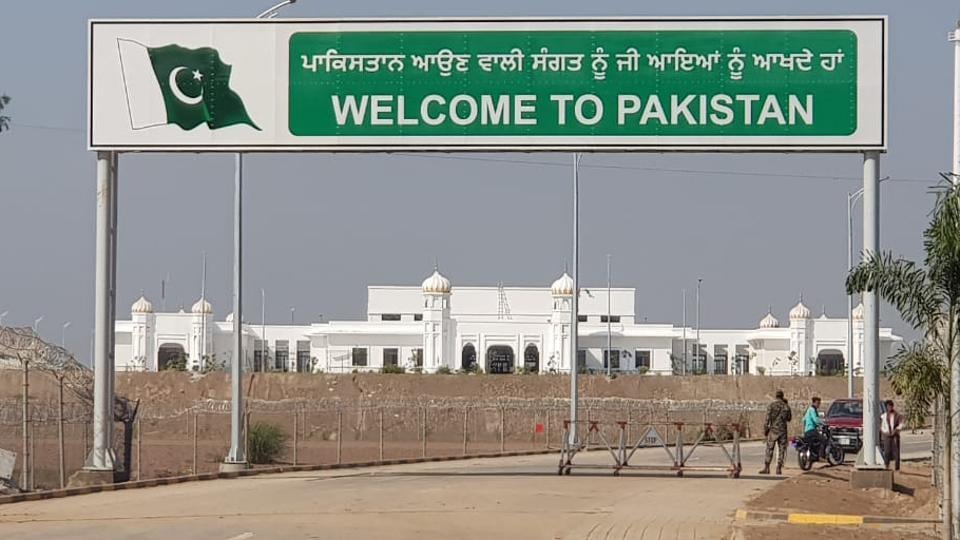
Prime Minister Imran Khan on Friday announced that the pilgrims will not require passports to cross over to Pakistan through the Kartarpur Corridor as long as they possess valid identity cards. He also waived the $20 service fee for pilgrims on the day of the corridor’s inauguration on November 9 and Guru Nanak’s 550th birthday three days later. The pilgrims also no longer need to register 10 days in advance for the pilgrimage
One of the officials cited above said that Pakistan’s sudden change of heart “is a clear attempt to portray a false-sense of bonhomie for the Sikhs”. “In particular, they want to target the youth,’’ he said on condition of anonymity.
Also Watch | ‘India must tread delicate line on Kartarpur Corridor’: Ex-envoy I WorldView
Retired Indian Police Service officer Avinash Mohanani, who has been a part of the Intelligence Bureau, said that the move to do away with passports is as clever as sinister. “No passport means there is no record of who went across. Clearly, this appears to be the revival of [Punjab insurgency for separate] Khalistan 2.0 plan.”
The officials cited above said that apart from efforts to revive militancy in Punjab, the agencies are in particular concerned about the movement of fake Indian currency and contraband.
They added that the agencies believe that Pakistan’s deep state will leverage the hard-line, radicalised Sikh diaspora as a front for the anti-India propaganda at Kartarpur’s Gurdwara Darbar Sahib.
“We have enough inputs to suggest that Pakistan will rope in hardline, radicalised elements in the diaspora to win over the youths from India when they visit the Gurdwara to pray,” said a second official in the security establishment, who did not want to be named.
A video Pakistan’s information minister Firdous Ashiq Awan released on Monday to welcome Sikh pilgrims to Kartarpur carried pictures of Jarnail Singh Bhindranwale, Shabeg Singh, and Amrik Singh Khalsa, who were killed when the army stormed Amritsar’s Golden Temple to take out militants holed up there in 1984.
The officials cited above said that New Delhi repeatedly raised its concerns about the presence of pro-Khalistani elements in Pakistani panels formed for the corridor’s opening in the negotiations before signing an agreement for the visa-free access.
They added that India handed over a 23- page dossier to Pakistan on 14 July, detailing how pro-Khalistani elements were having a free run in Pakistan and were being allowed to associate with the 550th birthday anniversary of Guru Nanak.
The dossier carried photographic evidence and gave details of anti-India activity in Pakistan especially aimed at Sikh devotees visiting their places of worship there. The dossier underlined that several pro-Khalistani groups, including Sikhs For Justice (SJF), were operating freely in Pakistan.
India in July banned the SFJ, a US-based group for supporting the cause of Khalistan. SFJ was formed in 2007 and has been pushing for “Referendum 2020” for “the self-determination” of Sikhs as part of its separatist agenda.


