
 E-Paper



India commissions more thermal power plants despite pollution concerns
India commissioned 13 GW of thermal power plants from January 1, 2017 till August 9 this year. But barring two, none of the new plants or units meets the stricter thermal power plant emission standards laid down by the environment ministry in 2015.

 Prefer HTon Google


Despite having the largest number of critically polluted cities in India, Maharashtra added almost 2.5 GW of coal-fuelled power capacity in 2017, while overall, India commissioned 13 GW of thermal power plants from January 1, 2017 till August 9 this year.
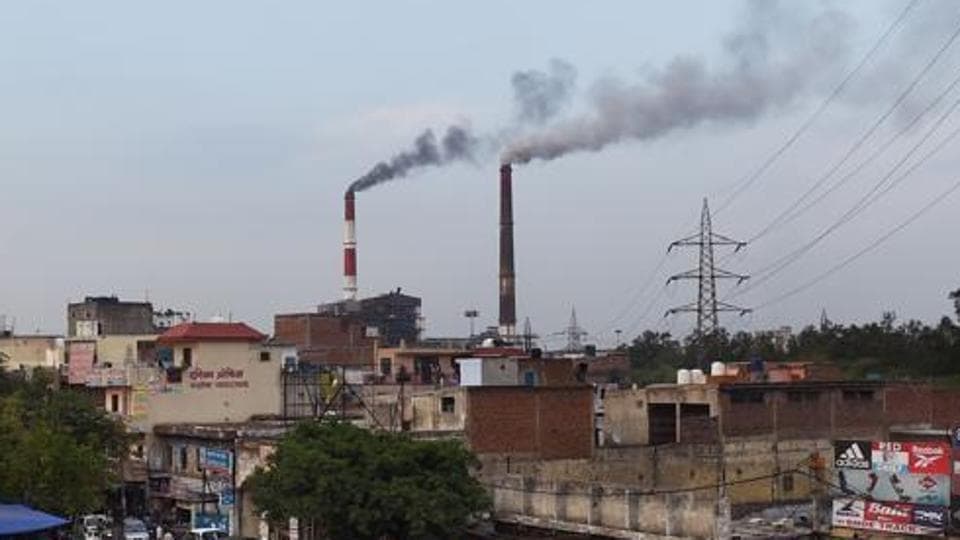
Barring two, none of the new plants or units meets the stricter thermal power plant emission standards laid down by the environment ministry in 2015. The issue of implementation of thermal power plant standards is now in the Supreme Court which has admonished the Centre for failing to implement standards and toying with public health.
Chhattisgarh, another state that relies heavily on coal-fired plants, which contribute to 95% of the installed power capacity, also added 2.7 GW of capacity in thermal power stations, the highest for any state.
Thermal power plants are an all-year-round source of air pollution, spewing particulate matter and oxides of sulphur and nitrogen, which produce secondary particulate matter. Burning of coal also produces greenhouse gases that disrupt climatic patterns.
Mumbai is considered one of the most polluted metropolises in the world, and 16 other cities in Maharashtra feature on India’s most polluted cities list prepared by the Central Pollution Control Board.
In 2015, the ministry of environment, forests and climate change notified stricter standards for thermal power plants that use coal, and these had to be met by December 2017. However, most existing thermal power plants did not meet the standards and have now been granted extensions, some of which stretch to 2022.
As per the notification, power plants commissioned after Jan 1, 2017, have to meet the stricter norms from their date of commissioning.
However, the power ministry has argued that since the environmental clearance was granted before the issue of the new norms in 2015, the plants would need time to install the pollution-mitigation equipment.
“The environmental clearance for such TPPs was already accorded before issuance of new environmental norms by the ministry of environment, forests and climate change ,” RK Singh, power minister, told Parliament in the monsoon session.
Activists disagree with this explanation. “The notification clearly states that all under-construction plants should also comply with norms. Also logically, it is easier to retrofit while the plant is under construction, rather than shutting down power plants after commissioning,” Nandikesh Sivalingam, an air pollution activist with Greenpeace, said.
Even if the plants started the process of retrofitting in 2015, when the norms were issued, they should be completed by this year, he added.


