E-Paper



India’s fertiliser supplies for Rabi season remain on track despite Strait of Hormuz disruptions
This comes at a time when fertiliser companies typically lock in imports so that cargoes reach Indian ports in Sept and October, just ahead of peak Rabi demand.

 Prefer HTon Google


India’s fertiliser supplies for the upcoming Rabi season appear secure despite continuing disruptions around the Strait of Hormuz, with the country’s latest urea import tender attracting bids well above the required quantity, signalling easing supply concerns ahead of the winter sowing season, according to industry executives and analysts.
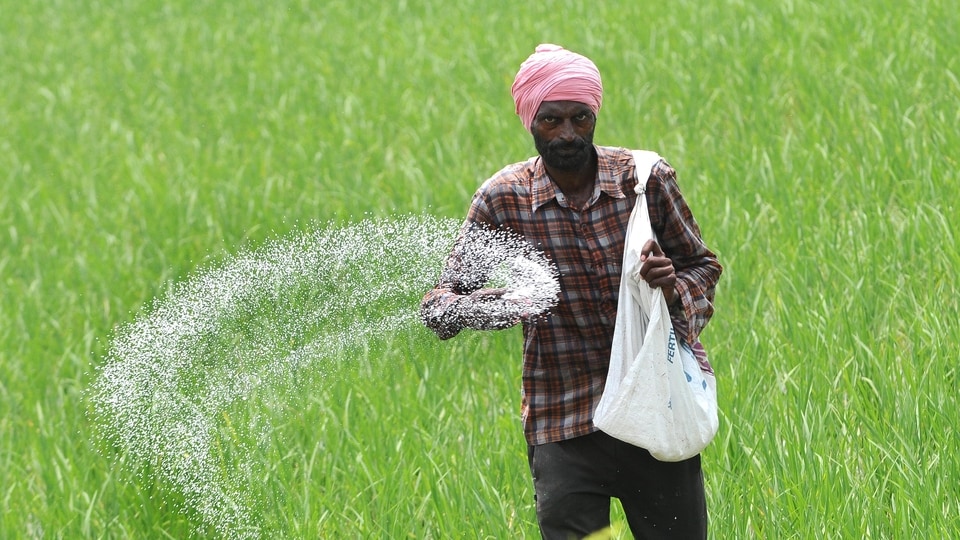
The development comes at a crucial time as fertiliser companies typically lock in imports during August so that cargoes reach Indian ports in September and October, just ahead of peak Rabi (winter sowing season) demand.
Rashtriya Chemicals and Fertilizers Ltd (RCF) on July 29 floated a tender to import 1.7 million tonnes of bulk urea— 1 million tonnes for the west coast and 0.7 million tonnes for the east coast — excluding suppliers from sanctioned countries. The bidding closed on August 11 and attracted bids for substantially more than the required quantity for September deliveries, according to market insiders cited by Swati Mathur, associate director, agribusiness consulting, S&P Global Energy.
India requires around 39 million tonnes of urea annually, but produces about three-fourths of its requirement domestically, importing the remaining 8 million tonnes. The conflict in West Asia had raised concerns because around 70% of India’s imported urea and nearly 60% of its liquefied natural gas (LNG) — the primary feedstock for domestic urea production — normally transit the Strait of Hormuz.
With shipping routes disrupted, India accelerated efforts to diversify fertiliser imports beyond its traditional Gulf suppliers. Industry estimates show India has already contracted more than 5 million tonnes of urea this year — nearly two-thirds of its expected imports.
A senior government official told HT that the department of fertilisers has expanded procurement efforts by exploring new sourcing opportunities through Indian missions abroad to reduce dependence on any single region. “These measures are aimed at strengthening the fertiliser supply chain, reducing vulnerabilities arising from global market disruptions and ensuring the uninterrupted availability of fertilisers in the country,” the official said.
According to him, Indian fertiliser companies have finalised long-term agreements with Saudi Arabian firms for annual supplies of about 3.1 million tonnes of diammonium phosphate (DAP).
“The official outcome of the tender is still awaited, but market sources expect prices to settle at $390-400 per tonne CFR India,” Mathur said.