E-Paper



India finds key place in Germany’s new coalition treaty
The coalition agreement includes an extensive section on the Indo-Pacific and why the region is important for German foreign policy

 Prefer HTon Google


India and the Indo-Pacific have found a prominent place in the treaty concluded by the three parties that will form the next coalition government in Germany, reflecting the importance of the partnership between the two countries.
The recent German elections have resulted in the formation of a tripartite coalition for the first time by the Social Democrats, Greens and Free Democrats. The three parties finalised a deal for governing the country and outlined the way ahead in a coalition document released in Berlin on November 24.
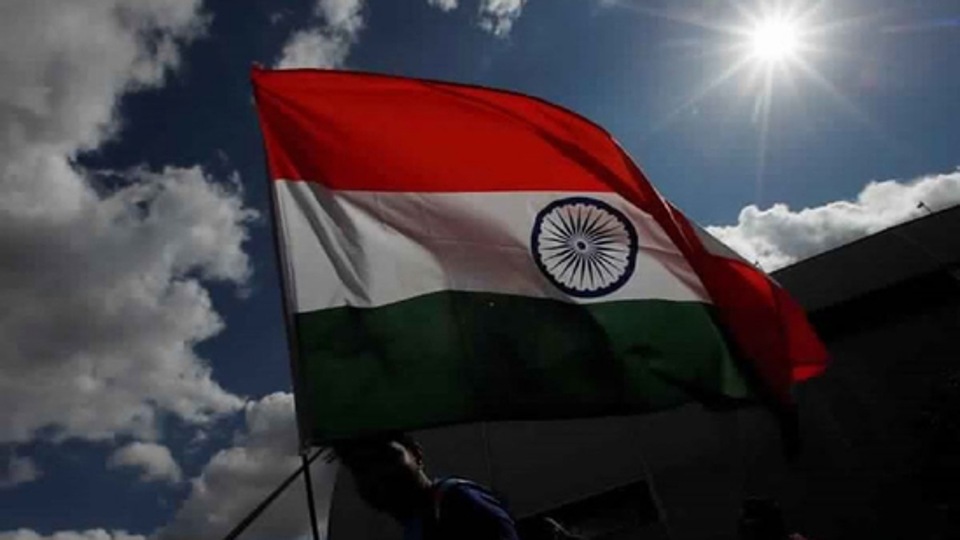
This document has a “strong reference” to India and the importance of strengthening the Indo-German strategic partnership. “India is mentioned very prominently in the coalition treaty, signalling the ever-growing importance of the partnership between the two countries,” the German embassy said in a statement.
The coalition agreement includes an extensive section on the Indo-Pacific and why the region is important for German foreign policy. The agreement mentions the importance of an “intensive dialogue on peace and security in the Indo-Pacific”, and India is also mentioned in the context of the EU-India connectivity partnership and a planned free trade agreement (FTA).
“Germany sees India as a central partner for solving the world’s biggest challenges: Questions of energy, climate change, food security and international peace. The incumbent German government has thus stressed on continuity of the policy towards India, as set forth by Chancellor Angela Merkel for 16 years,” the statement said.
The tripartite coalition marks the beginning of a new era in German politics, as Merkel is not running for office after 16 years of being the Chancellor. “The fact that India finds a mention in the new and unprecedented three-party coalition shows the growing significance of India and the region for Germany’s foreign policy,” the statement said.
The historically strong India-Germany ties were further strengthened by the strategic partnership agreement signed in 2001. The coalition agreement states this strategic partnership will be strengthened.
India-Germany ties were also deepened by the establishment of inter-governmental consultations between the heads of state and their cabinets. Germany is one of two European countries that have unveiled an official policy on the Indo-Pacific region, and its document was published last year.
Together with France, Germany pushed at the European Union for an EU Indo-Pacific strategy, which was released in April this year.
The coalition agreement also proposes to create a points-based immigration system to draw in qualified workers, to phase out coal by 2030 and commits Germany to 80% renewable energy, to allow immigrants to apply for citizenship after five years and permit dual citizenship, to lower the voting age to 16, and to legalise the regulated sale of cannabis.