E-Paper



India for collective action to prevent LeT, JeM using Afghanistan for attacks
India’s deputy permanent representative to the UN, ambassador R Ravindra, told the UN General Assembly that New Delhi closely monitors the security situation in Afghanistan, and terror attacks that target places of worship and educational institutes, especially of minorities, are a “concerning trend”

 Prefer HTon Google


NEW DELHI: India has urged the world community to collectively ensure that Afghanistan’s territory is not used for sheltering, training, planning terrorist acts, especially by groups proscribed by the UN Security Council such as Lashkar-e-Taiba (LeT) and Jaish-e-Mohammed (JeM).
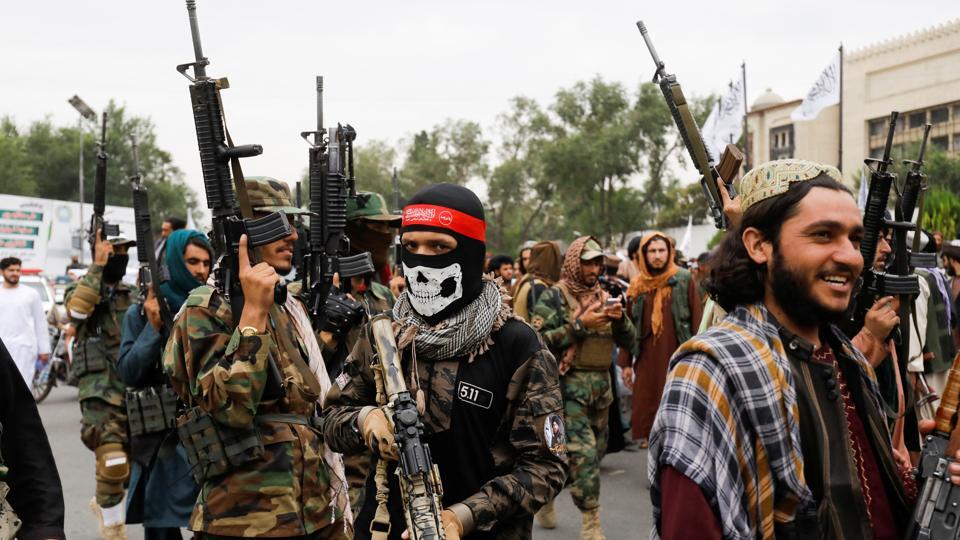
New Delhi’s security concerns related to Afghanistan were articulated by its deputy permanent representative to the UN, ambassador R Ravindra, during a session of the UN General Assembly on Thursday that took up a resolution facilitated by Germany.
The resolution, which accused the Taliban of violating the human rights of Afghan women, failing to establish a representative government and plunging the country into “dire economic, humanitarian and social conditions”, was adopted by the General Assembly with 116 votes for, and 10 abstentions. Sixty-seven countries didn’t vote.
Ravindra said the international community’s collective approach is guided by the UN Security Council resolution 2593, which was adopted last year.
“It unequivocally demands that the territory of Afghanistan should not be used for sheltering, training, planning, or financing terrorist acts, specifically terrorist individuals and entities proscribed by the UN Security Council, including Lashkar-e-Tayyiba and Jaish-e-Mohammad,” he said.
“India notes the useful role that UNSC Monitoring Team has played and expects them to continue to monitor and report on all terrorist groups that might use Afghanistan as a base to target other countries,” he said.
Several reports by the monitoring team in recent years have spoken of hundreds of LeT and JeM fighters being present in Afghanistan. Other reports have said the two banned groups moved their fighters to Afghanistan after the Financial Action Task Force (FATF) mounted pressure on Pakistan to counter terror financing.
Ravindra said the approach of India, a contiguous neighbour of Afghanistan, will be “guided by our historical friendship and our special relationship” with the Afghan people. “As a neighbour and a long-standing partner of Afghanistan, India has direct stakes in ensuring the return of peace and stability to the country,” he added.
India closely monitors the security situation in Afghanistan, and terror attacks that target places of worship and educational institutes, especially of minorities, are a “concerning trend”.
“Linked to the issue of terrorism is the menace of drug trafficking. We have recently seized big shipments of drugs at our ports and in the high seas off our coasts. It is important for strengthening international cooperation to disrupt and dismantle these trafficking networks,” Ravindra said.
India continues to call for an inclusive dispensation in Afghanistan that represents all sections of society, and a “broad-based, inclusive, and representative formation is necessary for long-term peace and stability in Afghanistan”, he pointed out.
India’s other priorities in Afghanistan include providing humanitarian aid to the Afghan people and preserving the rights of women, children and minorities. “India is deeply concerned at the unfolding humanitarian situation in Afghanistan,” he said, adding that New Delhi has provided 40,000 tonnes of wheat, 50 tonnes of medical aid, 500,000 doses of Covid-19 vaccines and 28 tonnes of disaster relief aid.
India reopened its embassy in Kabul, which was closed after last year’s Taliban takeover of Afghanistan, by deploying a “technical team” earlier this year.