E-Paper



India tells citizens to exit Iran; Tehran dials Delhi
India advised its nationals to leave Iran amid rising tensions and protests, urging caution and avoiding travel as violence escalates.

 Prefer HTon Google


India on Wednesday urged its nationals to leave Iran and advised against travel to the country amid mounting regional tensions over Tehran’s crackdown on nationwide protests that have killed around 2,000 people and fears of possible US intervention, even as external affairs minister S Jaishankar spoke to his Iranian counterpart Seyed Abbas Araghchi.
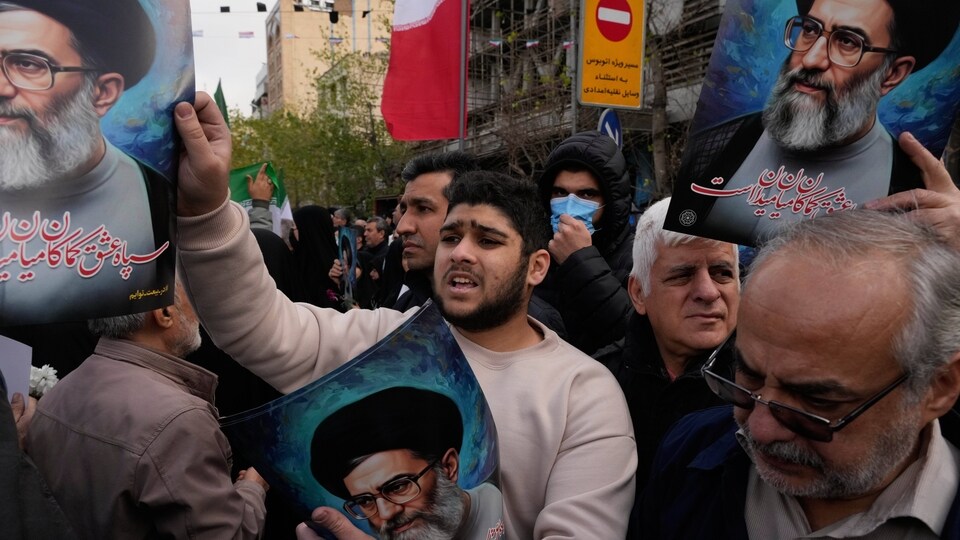
An advisory issued by the Indian embassy in Tehran urged Indian nationals in the country, including students, businesspeople, pilgrims and tourists, to leave the country by available means of transport, including commercial flights, because of the “evolving situation”.
Another advisory issued by the external affairs ministry in New Delhi strongly advised Indians to avoid travel to Iran until further notice in view of ongoing developments. This was a reiteration of an advisory issued by the ministry on January 5, which had called on Indians in Iran to exercise caution and avoid protests or demonstrations.
There are about 10,000 Indians in Iran, including a large number of students. Iran is also visited every year by thousands of Shia pilgrims from different parts of India.
The advisories came against the backdrop of US President Donald Trump’s repeated threats of military intervention if Iranian security forces kill protesters. He has also encouraged the protesters by saying “help is on the way” and warned of “very strong action” if detained protesters are executed by Iranian authorities.
In the evening, Jaishankar said he “received a call from Iranian Foreign Minister Seyed Abbas Araghchi”. The two “discussed the evolving situation in and around Iran”, he said on social media without giving details.
The phone call was an opportunity for Araghchi to explain his decision to call off a planned visit to New Delhi from January 15, people familiar with the matter said on condition of anonymity.
There was no readout from the Iranian side, and most official websites of the Iran government were unavailable because of an internet blackout.
The two foreign ministers spoke hours after India urged its nationals to leave Iran and advised against travel to the country amid mounting regional tensions. There are about 10,000 Indians in Iran, including a large number of students.
India has faced renewed pressure over its long-standing relations with Iran after Trump’s announcement of a 25% tariff on countries doing business with Tehran. The Indian side has pointed out the threat is expected to have a “minimal impact” as India-Iran trade, at about $1.68 billion, accounts for 0.15% of New Delhi’s total trade.
The Indian embassy’s advisory called on Indian nationals and people of Indian-origin to exercise caution, avoid areas of protests, monitor the local media for developments and stay in touch with the mission in Tehran. The Indian nationals were directed to have their travel and immigration documents, including passports, readily available. Indians living in Iran on resident visas were also advised to register with the embassy.
There was, however, no official word on any immediate plans to evacuate Indian nationals from Iran. People familiar with the matter said the authorities were planning for all contingencies in view of the fluid situation.
Reports have suggested that more than 2,000 people have been killed after Iran launched a crackdown on protests, among the worst in the country’s history. The protests began at Tehran’s Grand Bazaar on December 28 over the Iranian rial’s record loss of value before turning into nationwide demonstrations. The drop in the value of the Iranian currency followed other crises, including unprecedented water shortages, power outages, rising unemployment and spiralling inflation.
The situation has been exacerbated by the position taken by the Trump administration, which carried out air strikes on Iranian nuclear facilities last June and has now left open the option of military intervention. Iran’s Islamic Revolutionary Guard Corps said on Wednesday it was at the “peak of defensive readiness” and ready to “confront any aggression”.
Reports from Tehran have indicated that the situation appeared to be under control, with more pro-government rallies in the past two days.