
 E-Paper



Indigo tail strikes: DGCA fines airline ₹30 lakh for ‘systemic deficiencies’
The penalty comes after the regulator conducted a special audit after concerns over the airline’s frequent tail strike incidents were raised. Indigo Airlines, in the span of six months this year, experienced four tail strike incidents on their A321 aircraft

 Prefer HTon Google


Indigo was fined Rs.30 lakh by the Directorate General of Civil Aviation (DGCA) after the aviation regulator discovered ‘systemic deficiencies’ in the airline’s documentation and procedures.
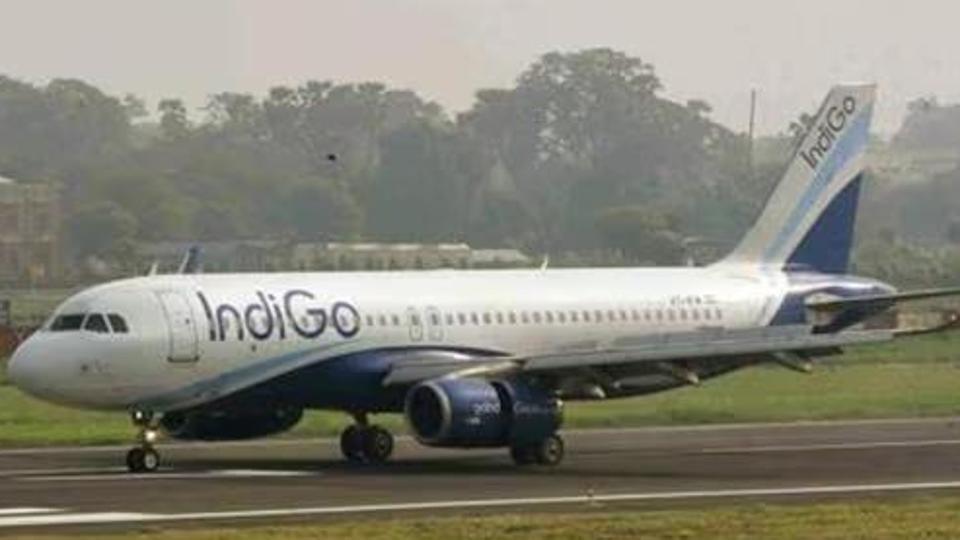
The penalty comes after the aviation regulator conducted a special audit after concerns over the airline’s frequent tail strike incidents were raised. Indigo Airlines, in the span of six months this year, experienced four tail strikes on their A321 aircraft.
In its special audit, the DGCA reviewed the airline’s documentation and procedure on operations, training, engineering and FDM (flight data monitoring) programmes.
“During the special audit, certain systemic deficiencies were observed in M/s Indigo Airlines documentation pertaining to operations/training procedures and engineering procedures,” a senior DGCA official said on Friday.
After the audit, the aviation regulator issued a show cause notice to Indigo, directing it to submit a reply within the stipulated time, said the official.
“The reply was reviewed at various levels and was not found satisfactory. Subsequently, DGCA has imposed a financial penalty of Rs. 30 Lakhs on M/s Indigo Airlines and also directed them to amend their documents and procedures in line with DGCA requirements and OEM guidelines,” the official added.
The DGCA had on Wednesday suspended two IndiGo pilots after examining the tail strike incident involving an A321 aircraft that took place on June 15 in Ahmedabad. It had first issued a show-cause notice to the pilots.
A tail strike occurs when the tail of an aircraft skids through or hits the ground or an object during takeoff or landing. Tail strikes are often due to human error and can cause significant damage to the aircraft.
The DGCA audit of the aircraft revealed that the crew carried out the landing in deviation from “established stand operating procedures”.
This led the DGCA to suspend the license of the pilot-in-command for three months and that of the co-pilot for one month for violation of the provisions of the relevant Civil Aviation Requirements (CAR).


