E-Paper



Madhya Pradesh HC seeks report on eight tiger deaths at Kanha National Park
A divisional bench of vacation judges Vivek Jain and Ajay Kumar Nirankari directed the state government and forest department to file their reply within two weeks.

 Prefer HTon Google


The Madhya Pradesh high court has sought a detailed report from the state government and forest department on the deaths of eight tigers at Kanha National Park over the past two months, directing authorities to explain the preventive and curative measures taken in connection with the incidents.
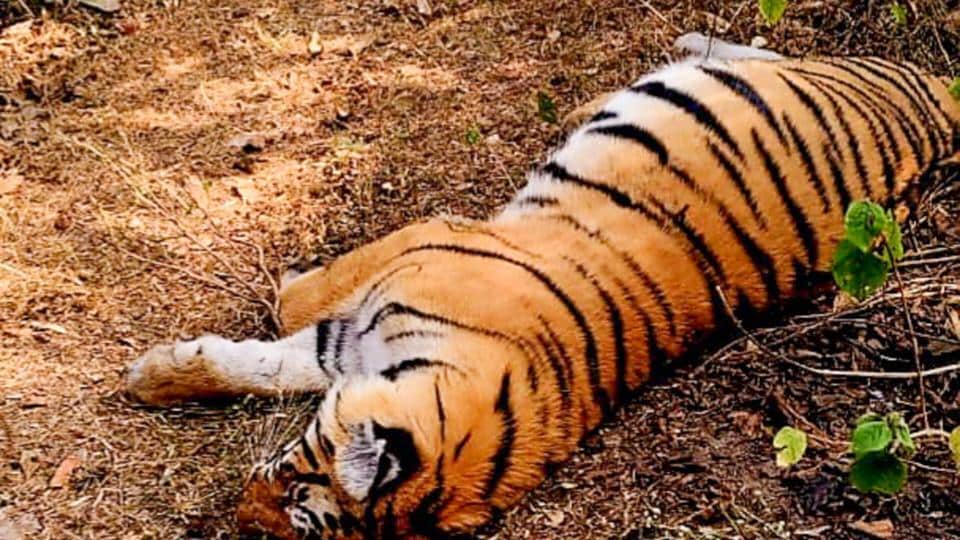
A divisional bench of vacation judges Vivek Jain and Ajay Kumar Nirankari directed the state government and forest department to file their reply within two weeks.
“The respondents (the state government, forest department and park management) shall come out with specific averments regarding the preventive and curative measures taken in the matter of tiger deaths in Kanha National Park, along with their reply, which shall be filed within two weeks,” said the court order.
The directive came on a petition filed by Mumbai-based advocate and wildlife enthusiast Subit Chakraborty, who raised concerns over recent tiger deaths linked to Canine Distemper Virus (CDV) infections.
The petitioner sought directions to place on record complete files relating to monitoring, veterinary reports, and other protocol-linked steps taken concerning the deaths of tigress T-141 and her cubs, tigress T-122, tiger “Digdola,” and tiger T-220 between March and May 2026.
Chakraborty further urged officials to disclose the status of implementation of the National Tiger Conservation Authority’s CDV advisories for Kanha Tiger Reserve and adjoining buffer/interface villages, including details of vaccination drives, disease surveillance, veterinary coordination, and interface-management measures.