
 E-Paper



Mahesh Dixit is India's first medical doctor turned Intelligence Chief
Ranked number 35 in UPSC Civil Service Exam, Mahesh Dixit opted for IPS instead of much sought after IFS and IAS.

 Prefer HTon Google


India’s next Intelligence Bureau chief Mahesh Dixit is an outlier in the world of counter-terrorism, Naga insurgents, Kashmir militancy and left-wing extremism.
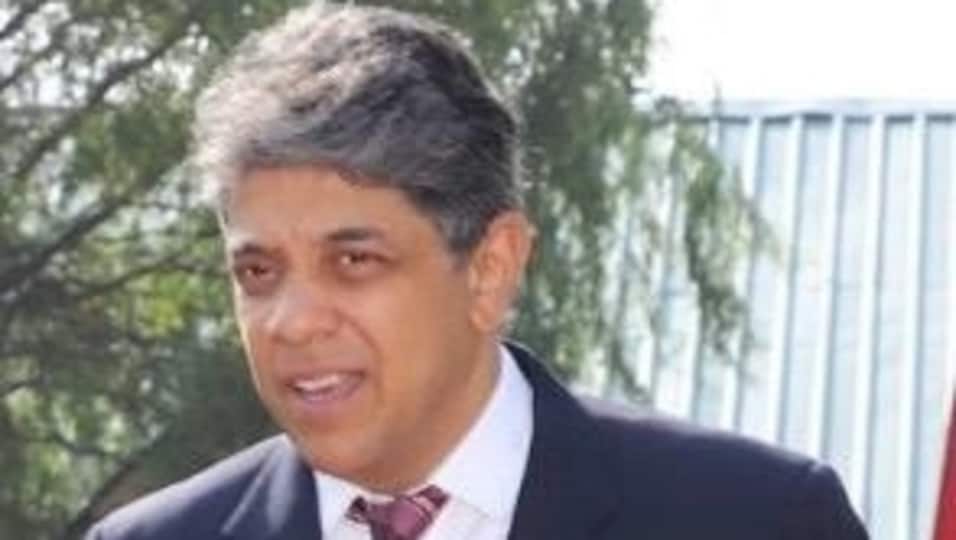
Like his wife Rajashree, he holds a postgraduate degree in medicine from Pune, and is perhaps the first doctor to take over as Director, Intelligence Bureau on July 1 after his senior cum mentor Tapan Deka retires after four years of illustrious service. It was Deka’s total reluctance to take a third extension that paved the way for Dixit. But this is not all.
Dixit was ranked number 35 in the UPSC Civil Services merit list but chose not to opt for either the much sought after Indian Foreign Service or Indian Administrative Service and decided to join Indian Police Service in the 1993 batch in Andhra Pradesh cadre and then was allotted Telangana cadre after the state was divided. As an SP, he fought against Left Wing Extremism and then joined the Intelligence Bureau, only to handle rising Islamic terrorism in Hyderabad. It was due to efforts of the State IB and the State Police that Telangana had perhaps the best counter-terrorism unit in India with Hyderabad emerging the hub of Indian Mujahideen and pan-Islamic terrorist groups including HUJI.
During his 33 years of service, Dixit has mostly served in the field by heading SIBs in Kohima and Patna apart from doing a foreign stint in Moscow. However, the new DIB’s forte is counter-terrorism and has served nearly a decade handling Jammu and Kashmir in Srinagar and the IB Headquarters in all capacities.
He is currently heading CT desk as Special Director and has been responsible for snuffing out Pakistan sponsored terrorism in Kashmir.
He along with now Chief Election Commissioner Gyanesh Kumar were key players in the abrogation of article 370 and 35 A in Jammu and Kashmir with Dixit also keeping a close watch on the 1597 km Line of Actual Control in Ladakh.
As head of IB’s Kashmir wing, Dixit played a significant role in neutralizing the Pakistani perpetrators of Pahalgam massacre as well as keeping the political temperatures in check in the Valley.
Mahesh Dixit’s batch mates in IFS and IAS say that the man had decided to go into IB and the world of spooks from day 1. Today he has risen to the top of India’s internal security apparatus.


