E-Paper



MHA panel on Assam Accord Clause 6 completes its report
Three members of the 14-member committee formed in July last year declined comment on the nature of recommendations but emphasized that the report is yet to be submitted.


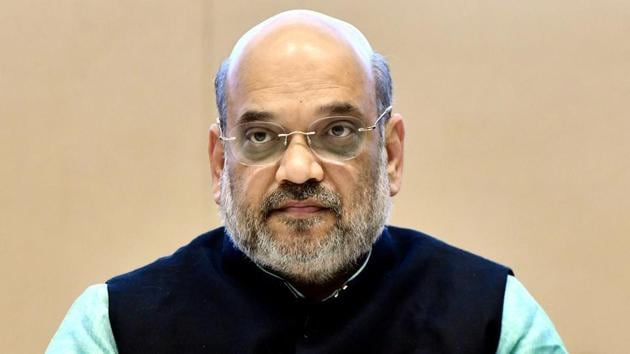
The high-level committee formed by the union home ministry on Clause 6 of Assam Accord has completed its report and is waiting to hand it over to Union Home Minister Amit Shah.
Three members of the 14-member committee formed in July last year declined comment on the nature of recommendations but emphasized that the report is yet to be submitted.
“There’s no truth in reports that we have handed over the report to Assam chief secretary. Lot of media speculation is on, but we are yet to formally submit it,” said the chairman of the committee Justice (Retd.) Biplab Kumar Sharma.
Clause 6 of the Assam Accord, signed in 1985, between the representatives of the All Assam Students Union, the Assam state government and the government of India reads: “Constitutional, legislative and administrative safeguards, as may be appropriate, shall be provided to protect, preserve and promote the cultural, social, linguistic identity and heritage of the Assamese people.”
Various news reports say that the committee has fixed 1951 as the cut of date to define Assamese people and also suggested the introduction of inner line permit (ILP) in the state.
The committee completed its report on February 10, five days ahead of the completion of its tenure.
During his visit to Assam earlier this month, Prime Minister Narendra Modi had assured that the Centre would implement the recommendations of the committee without delay.
“We have already written to the Centre that the report is ready and they can collect it by whatever means suitable,” said Sharma.
Two other committee members also confirmed on condition of anonymity that the committee has completed its report and us now waiting to hand it over to Shah.
Formed 34 years after signing of the Assam Accord, the committee has the task of recommending steps to achieve the objectives laid down in Clause 6.
The committee’s suggestions would include number of seats to be reserved in elected bodies for Assamese people, steps to protect and promote Assamese and other indigenous languages and reservation in government jobs.
“Chairman of the committee has already written three letters to union home ministry intimating them about completion of our task. It is now for the Centre and Assam government to decide what step they will take now,” Samujjal Bhattacharya, chief adviser of All Assam Students Union (AASU), one of the members of the committee, told reporters on Wednesday.