
 E-Paper



Modi holds talks with Japan PM on cooperation in Covid-19 fight
During a 25-minute phone conversation, the two leaders discussed the Covid-19 situation in each other’s country and close India-Japan cooperation to overcome regional and global challenges due to the pandemic.

 Prefer HTon Google


Prime Minister Narendra Modi and his Japanese counterpart Yoshihide Suga on Monday discussed cooperation in key areas, including creating resilient supply chains and ensuring reliable supply of critical materials, to overcome challenges posed by the Covid-19 pandemic.
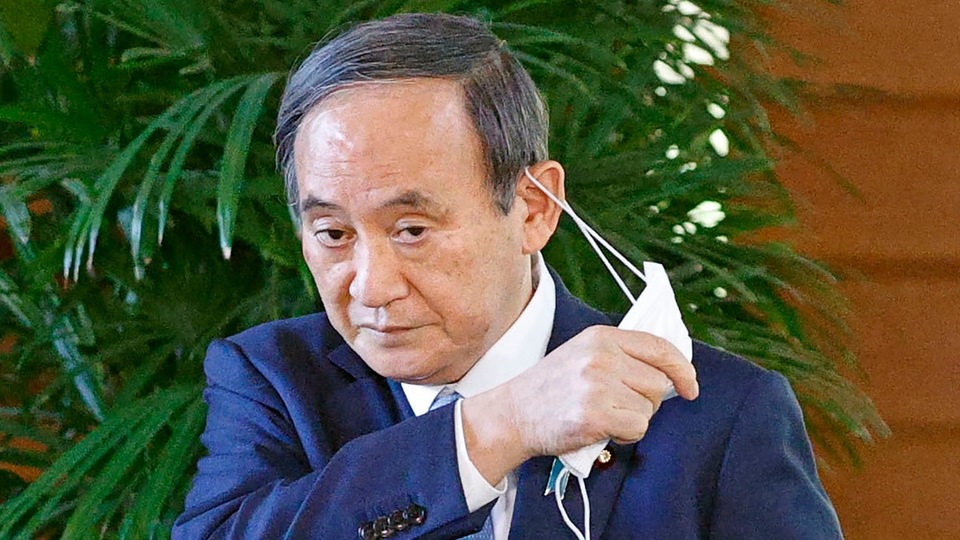
During a 25-minute phone conversation, the two leaders discussed the Covid-19 situation in each other’s country and close India-Japan cooperation to overcome regional and global challenges due to the pandemic.
Such bilateral cooperation includes “working together to create resilient, diversified and trustworthy supply chains, ensuring reliable supply of critical materials and technologies, and developing new partnerships in manufacturing and skill development”, the external affairs ministry said in a readout.
The two leaders emphasised the need for early operationalisation of the Specified Skilled Workers (SSW) agreement signed recently to synergise their strengths and achieve mutually beneficial outcomes.
They also highlighted the Mumbai-Ahmedabad high speed rail (MAHSR) project as a “shining example of their cooperation and welcomed the steady progress in its execution”, the readout said.
The two leaders confirmed the importance of bilateral and multilateral cooperation, including Japan-Australia-India-US quadrilateral collaboration, to ensure a free and open Indo-Pacific and decided to continue their efforts to build a rules-based international order, Japan’s foreign ministry said in a statement.
Suga said he hopes to further develop cooperation in areas such as cyber, digital, decarbonisation, healthcare and connectivity, and mentioned possible collaboration in 5G, submarine cables, strengthening industrial competitiveness, diversification of supply chains and development of India’s northeastern region.
Suga also expressed “serious concerns about China’s continued and strengthened unilateral attempts to change the status quo in the East and South China Seas, including the Coast Guard Law”, the statement said.
Modi and Suga appreciated the support and facilitation provided to resident citizens in each other’s country during the pandemic and agreed to continue such coordination. Modi thanked Suga for providing aid to India to combat the pandemic, and expressed the hope he would be able to receive the Japanese prime minister in India in the near future after the Covid-19 situation stabilises.
Suga recently called off a planned visit to India and the Philippines because of the Covid-19 situation.
In January, Japan provided a loan of up to 30 billion yen (about ₹2,129 crore) to support the Indian government’s efforts to mitigate the socio-economic impacts of the pandemic. This was the latest addition to Japan’s support to India in its fight against Covid-19.
Since the outbreak of the pandemic, Japan has provided a 50-billion yen (about ₹3,549 crore) loan to implement health and medical policies and develop hospitals equipped with ICUs and infection prevention and management facilities, a grant of a billion yen (about ₹71 crore) to provide oxygen generators to treat Covid-19 patients in critical condition.
Japan has also partnered with international organisations such as UNDP, UNICEF and UNHCR to provide assistance worth more than $7.26 million to the Indian government.



