
 E-Paper



More muscle for India’s Andaman and Nicobar defence posts to counter hawkish China
With Beijing getting aggressive in the South China Sea, India has decided to secure its backyard by building military capacities from North Andaman to Car Nicobar islands for safeguarding strategic sea lanes and maritime territory.

 Prefer HTon Google


The Narendra Modi government plans to strengthen the Tri-Service Command in the Andaman and Nicobar Islands to expand India’s military reach in the Bay of Bengal and counterbalance growing Chinese ambitions in the region.
The joint command of the army, air force and navy was set up in the country’s southeastern islands during the previous NDA government of Atal Bihari Vajpayee 16 years ago.
South Block sources said work started to add military teeth to the command that has its headquarters in Port Blair and it could be placed under the proposed permanent Chairman of the Chief of Staff Committee (COSC).
With Beijing getting aggressive in the South China Sea, India has decided to secure its backyard by building military capacities from North Andaman to Car Nicobar islands for safeguarding strategic sea lanes and maritime territory.
Indian interests are located strategically on the mouth of the Malacca Straits. This gateway to the Far East is an 850km channel and it carries 40% of the world’s freight trade as more than 94,000 merchant ships cross this portal each year to and from China, South Korea and Japan.
But Malacca is a chokepoint, narrowing down to a mere 2.8km south of Singapore.
India plans to augment its military capacities and safeguard its interests in the Bay of Bengal and Indian Ocean with better and bigger runways at naval air stations in North Andaman’s Shibpur and at Campbell bay in Great Nicobar.
These will be extended from the current 3,000 feet to 10,000 feet to accommodate fighter jets and bigger planes such as the navy’s Boeing P-8I long-range maritime reconnaissance and anti-submarine aircraft. These airstrips will be kitted out with ammunition dumps too.
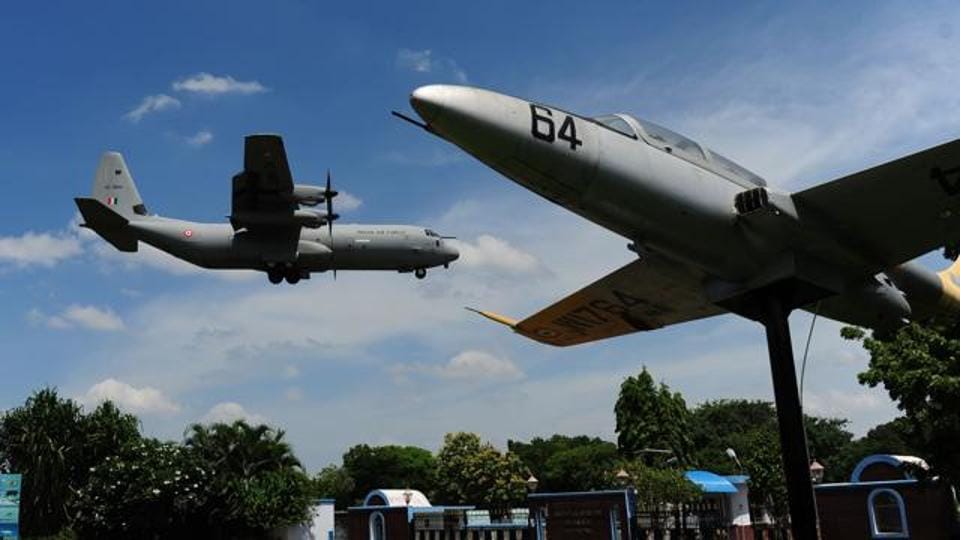
The airfields are currently used for Dornier aircraft and Mi-17 helicopters. The expansion will allow the Lockheed C-130 Hercules transport aircraft to land on and take-off from these airstrips.
In the long run, civilian traffic can also use these airfields.
The defence ministry is understood to have started the process of acquiring land for building a reinforced and bigger command in Port Blair.
It will have extended jetties along the harbour for mooring aircraft carriers and large warships. A naval ammunition depot is also proposed for replenishing the navy’s ships during contingencies.
The Car Nicobar air force base will get more teeth as well, with an extended capacity to hold fighter squadrons for a month and beyond.
The naval units at INS Kardip in Kamorta Islands, south of Car Nicobar, are being upgraded for warships.
At present, the station provides logistics support and has wharf for small ships.
The southernmost station, INS Baaz at Campbell Bay that is barely 150km from Indonesia’s Banda Aceh, is getting an extended airstrip of 6,000 feet. Plans are afoot to dredge the bay for bigger warships and rig the place with a robust radar network.
Campbell Bay will be a major military hub to prevent terrorist and pirate attacks on vessels crossing the vulnerable Malacca Straits.


