E-Paper



MP govt to provide ₹10L compensation to families of mob lynching victims: Chouhan
Besides the MP Mob Lynching Victim Compensation Scheme 2023, the cabinet also approved a housing scheme for homeless families and doubled the honorarium being given to guest faculty

 Prefer HTon Google


Madhya Pradesh government will provide ₹10 lakh as compensation to the kin of any person killed in a mob lynching incident, the state cabinet led by chief minister Shivraj Singh Chouhan decided on Tuesday.
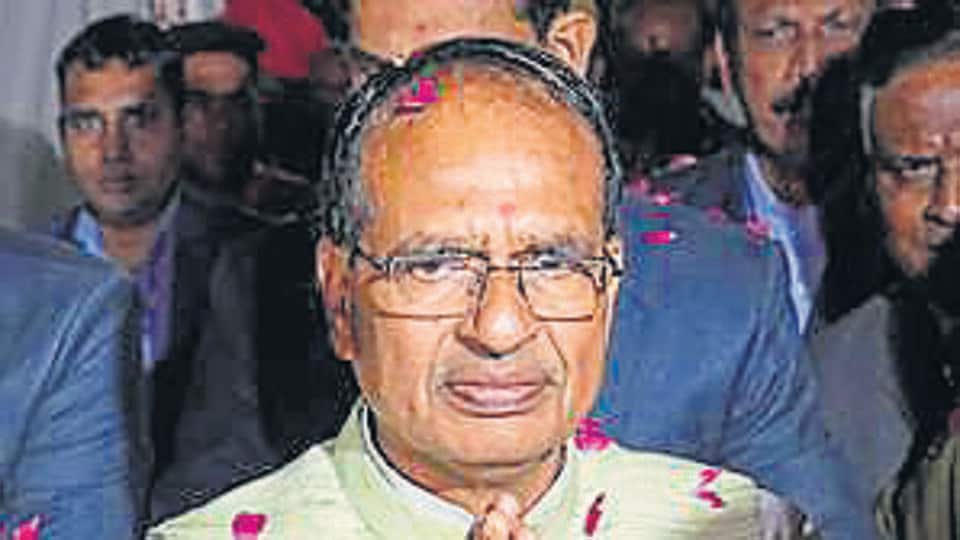
“If someone dies due to mob lynching, his family will get compensation of ₹10 lakh,” the state’s education minister Vishwas Sarang said at a media briefing after the cabinet meeting. “There will be a provision of compensation of ₹4 to ₹6 lakh for the injured. This will also include all those incidents of mob lynching which occur due to religion, caste, language or any other reason. Under the scheme, mob lynching will be considered in which five or more accused are involved.”
There have been recent incidents of mob attacks from Khandwa in the central Indian state. In one incident, two Muslim men were beaten up for carrying meat and a Muslim man was beaten up and stabbed by a group of men for some social media posts. The Supreme Court on July 28 had asked six states, including Madhay Pradesh, about steps being taken against lynching.
Besides the MP Mob Lynching Victim Compensation Scheme 2023, the cabinet also approved a housing scheme for homeless families and doubled the honorarium being given to guest faculty.
“The cabinet has (also) increased honorarium of guest teachers for class one from ₹9,000 to ₹18,000, class two from ₹7,000 to ₹14,000 and class three to ₹10,000 from ₹5,000. As many as 4,500 guest teachers will be benefited under the scheme,” Sarang said.
Under the Mukhyamantri Ladli Behna Housing scheme, homeless women and families will get houses, the minister said. The scheme has been approved to help those who didn’t get housing under the PM housing scheme due to some technical reasons. The number of beneficiaries will be according to the applications received.
A special package has also been approved for 6,700 families of 22 flood-affected villages in areas around the Ken and Betwa rivers.
The cabinet also decided to fill 435 new posts in the health and education departments. The demand for DACP (dynamic stored career progression) of teachers, medical officers and doctors associated with the education department has also been approved by the cabinet, said Sarang.
“On completion of three, seven and 14 years of educational service, benefit of pay scale of ₹8,000, ₹9,000 and ₹10,000 will be given. On completion of MBBS, five, 10, 15 and 10 year service period, the benefit of pay scale of ₹8,000, ₹9,000, ₹10,000 and ₹ 20,000 will be given,” he said.
Six new government colleges will be opened in rural areas, the cabinet decided. Now students with rank below 1.5 lakh in the joint entrance examination will get the benefit of a meritorious student. The deadline for the special recruitment drive to fill posts reserved for SC, ST, OBC and disabled persons was extended from July 1 to June 23.
Reacting to the development, state Congress committee spokesperson KK Mishra said, “The reason behind delay in action against mob lynching case is the connection of accused with ruling government. They come up with scheme only under the pressure of Supreme Court. They should also clear their stance regarding the punishment that the accused of mob lynching deserves.”
He also said that voters are wise enough to understand difference between poll sops and real concern.