
 E-Paper


Follow the latest breaking news, major developments and agenda-setting stories from India and around the world with the newsdesk at Hindustan Times. Operating round the clock, the desk brings together experienced editors, reporters and correspondents to deliver fast, accurate and contextual reporting across subjects that influence public policy, governance, business, society and international affairs. The HT News Desk covers politics, elections, government policies, the economy, business and markets, science and technology, the environment, law and order, infrastructure, education, climate issues and geopolitics, while closely tracking developments across states, institutions and global capitals. The team also leads coverage of major breaking news events, policy announcements, court proceedings, natural disasters, public emergencies and significant international developments. Reports published by the newsdesk are based on information gathered from reporters on the ground, official statements, government agencies, court records, regulatory filings, recognised institutions and other authoritative sources. Stories undergo editorial scrutiny and verification processes to ensure accuracy, fairness and relevance, and are updated as events evolve and additional information becomes available. Whether covering a key political decision in New Delhi, an economic policy shift affecting millions, a landmark court ruling or a major global event, the HT News Desk aims to provide readers with reliable, fact-based journalism that delivers not only the latest developments but also the context and analysis needed to understand their wider implications.
Mutual trust must for treaties like on Indus water to work, says India
The 56-year-old Indus Water Treaty today cropped up in the current hostile Indo-Pak discourse with India making it clear that “mutual trust and cooperation” was important for such a treaty to work.


The 56-year-old Indus Water Treaty on Thursday cropped up in the current hostile Indo-Pak discourse with India making it clear that “mutual trust and cooperation” was important for such a treaty to work.
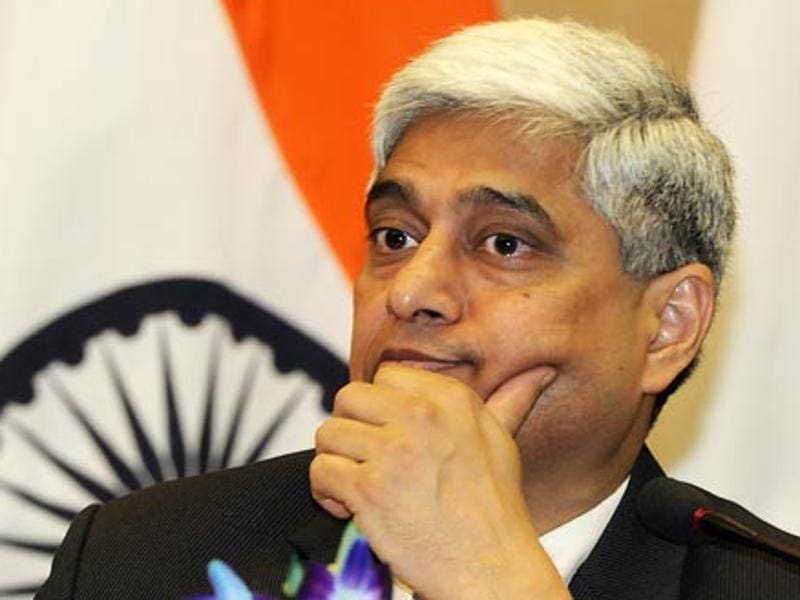
The assertion came amid calls in India that government should scrap the water distribution pact to mount pressure on Pakistan in the aftermath of audacious Uri terror attack earlier this week.
“For any such treaty to work, its important that there must be mutual cooperation and trust between both the sides. It cannot be a one-sided affair,” foreign ministry spokesperson Vikas Swarup said cryptically when asked if the government will rethink on the Treaty given the growing strain between the two countries.
He also noted that the preamble of the Treaty itself said it was based on “goodwill”.
Pressed further if India will scrap the Treaty, he refused to elaborate and only noted that in diplomacy everything was not spelled out and that he has not said that the treaty was not working.
Under the treaty, which was signed by Prime Minister Jawaharlal Nehru and Pakistan President Ayub Khan in September 1960, water of six river - Beas, Ravi, Sutlej, Indus, Chenab and Jhelum - were to be shared between the two countries. Pakistan has been complaining of not receiving enough water and gone for international arbitration in couple of cases.
Swarup also noted that there were differences over the implementation of the treaty between the two countries.


