
 E-Paper



Myanmar rebel units merge in Mizoram CM’s presence
The merger agreement for cessation of hostilities between the two factions, who have been fighting the military junta in the neighbouring country, was signed on February 26.

 Prefer HTon Google


Two major pro-democracy rebel groups from Myanmar’s Chin state — the Chinland Council (CC) and the Interim Chin National Consultative Council (ICNCC) — have recently signed a merger agreement in the presence of Mizoram chief minister Lalduhoma in Aizawl, people aware of the details said.
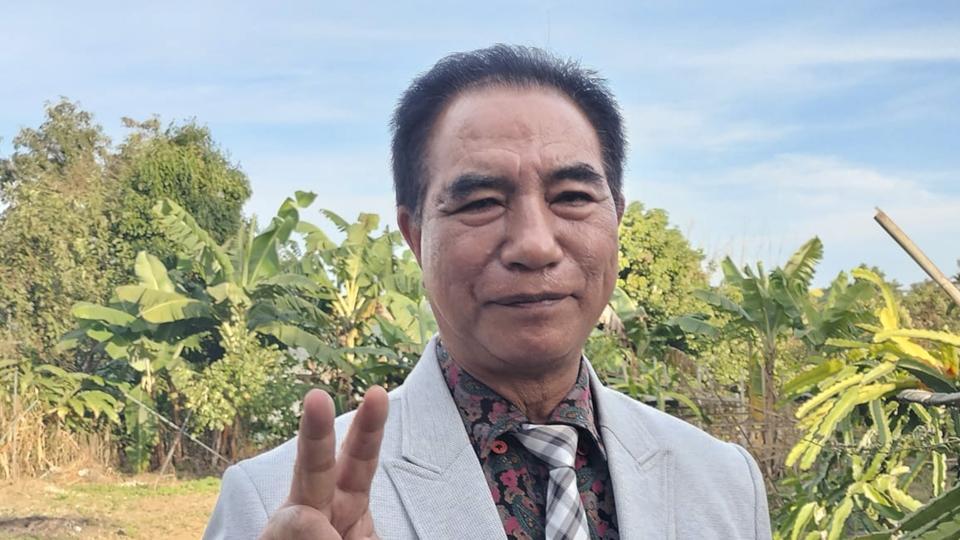
The merger agreement for cessation of hostilities between the two factions, who have been fighting the military junta in the neighbouring country, was signed on February 26. The two groups merged to form a single entity known as Chin National Council (CNC), members of the rebel groups and officials at the Mizoram CM’s office confirmed.
Mizoram legislator Lalmuanpuia Punte, who is also the political adviser to the chief minister, told HT that it was on the behest of the ministry of external affairs (MEA) that the CM made efforts to unite the factions of Chin armed groups.
“Security threat on Indian side of Mizoram looms if political situation in Chin state is unstable, uniting factions of the Chin armed forces has been for long in our radar, unified, I believe the Chin resistance will reach new heights in deposing the military rule,” Punte said.
Representatives of the armed wings of the two groups — Chin National Army of CC and the Chin Brotherhood (CB) of ICNCC — were also present during the merger event.
“Having two separate governing bodies for the Chin people was counterproductive, so we agreed to merge,” Jacob V Zawma, a steering committee member of CC and coordinator of the negotiating team, said.
The armed wings of the two groups are currently discussing strategies for building a “unified Chin resistance force” to defend Chin state against Myanmar’s military regime. Zawma expressed optimism that the unification of the armed groups would bring stability to the region and help depose Myanmar’s military rule. Claiming that the resistance forces had seized control of over 80% of Chinland from the regime, he anticipated complete control soon with unification of the rebel forces.
ICNCC was formed in April 2021 after the military coup by Chin resistance groups and elected members of parliament. The group receives support from the civilian-led National Unity Government (NUG), the alternative governing body opposing the Myanmar military regime, Zawma explained.
“Thirteen townships across the state, including the Myanmar-India border town of Rihkhawdar, are under Chin resistance control. We have established full administrative control over larger towns such as Tedim, Falam, and Thantlang. However, the state capital, Hakha, remains under the regime’s control,” he claimed.
A member of the Aizawl-based Advocacy Group for Peace said the merger came after the Mizoram CM facilitated peace talks between the rebel Chin factions in Myanmar at the request of the MEA.
“Advocacy for Peace has conducted multiple rounds of negotiations with various Chin factions in Myanmar since last year, with the Mizoram Chief Minister closely monitoring the process. The Ministry of External Affairs viewed the unstable political situation in Chin State as a potential security threat to Mizoram, which shares a 510-kilometer border with Myanmar,” the outfit’s member said, requesting anonymity.
MEA did not respond to HT’s request for a comment.
Since the military takeover in Myanmar, Mizoram has sheltered over 30,000 refugees and pro-democracy activists, including ministers, MPs, and police personnel.


