E-Paper



Need system to track tax cases: SC to govt
It emphasised that having a monitoring system will also ensure a more business friendly adjudication process.

 Prefer HTon Google


The Supreme Court on Friday urged the Union government to expeditiously put in place an electronic monitoring system to track all direct and indirect taxes’ litigation, observing this is needed if the government wants to create a business-friendly climate in the country.
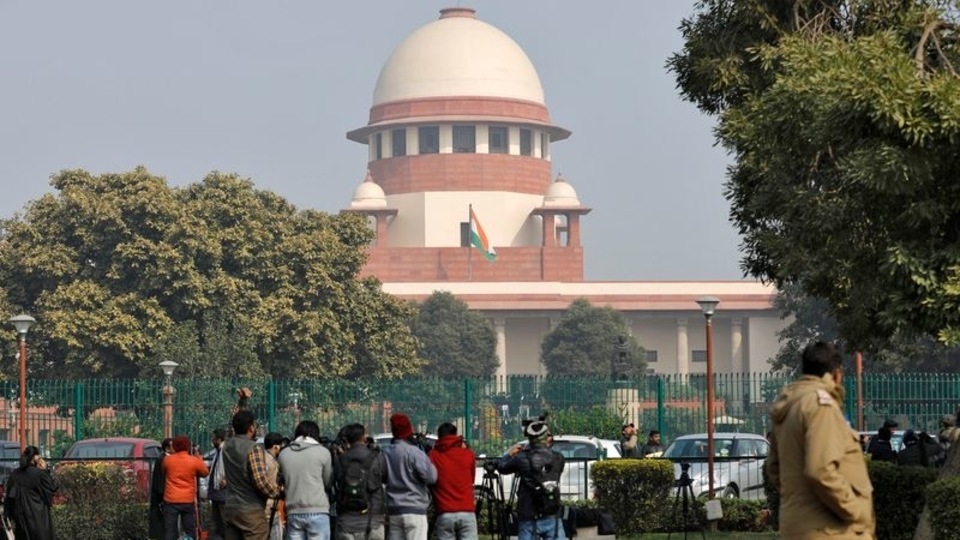
A bench of justices Dhananjaya Y Chandrachud and MR Shah said that after the advent of the Goods and Services Tax (GST), it has become imperative to have a system where litigation involving the revenue arm of the government can be monitored to track movement of cases between tribunals and courts.
“A technological tool to monitor revenue proceedings and litigation at all levels will ultimately serve the legitimate interests of the government. Bring all the procedures of adjudication under one net so that the government is able to monitor its litigation very efficiently. This is for the benefit of the entire nation and for revenue,” the bench told solicitor general Tushar Mehta, who appeared for the Union government.
It emphasised that having a monitoring system will also ensure a more business friendly adjudication process. “This will also subserve the intent of the government that it is taking into account the interest of the business community. Such a technological solution will help further the government’s intent to provide a business-friendly climate in the country.”
The court, while hearing an appeal by the revenue department in February, noted gross delays in appeals being filed in the matters of indirect taxation and asked the Union government to find an answer to this state of affairs by ensuring that matters which are required to be litigated are litigated with all necessary dispatch and matters not worthy of being pursued are set to rest. In the case being heard, there was a delay of more than 500 days in filing the appeal against the decision of the tax tribunal and the tax effect was at least ₹66 crores.
S-G Mehta assured the bench then that a proposal also incorporating technological modalities has been under consideration by the stakeholders to evolve a system of monitoring such cases at all levels of the courts and tribunals.
On Thursday, the S-G agreed with the bench that the proposition to have a robust system was well-meaning, adding that deliberations were on to integrate Legal Information Management and Briefing System (LIMBS) with the e-office system of National Informatics Centre (NIC) to ensure that once a judgement is pronounced in any court, processing of the same starts immediately on the e-office system.