
 E-Paper



New wildlife plan to make people part of checking man-animal conflict
The government’s funding for wildlife management has not increased substantially and in some states, the budget has shrunk despite revenue from tourism being on the rise. This concern was raised by wildlife experts in the committee but the officials did not have a solution.

 Prefer HTon Google


The environment ministry approved last week the National Wildlife Action Plan (2017-2031) that shifts focus from management of protected areas to that of the entire landscape. For the first time, the plan calls to make people an intrinsic part of the process to check rising human-animal conflict.
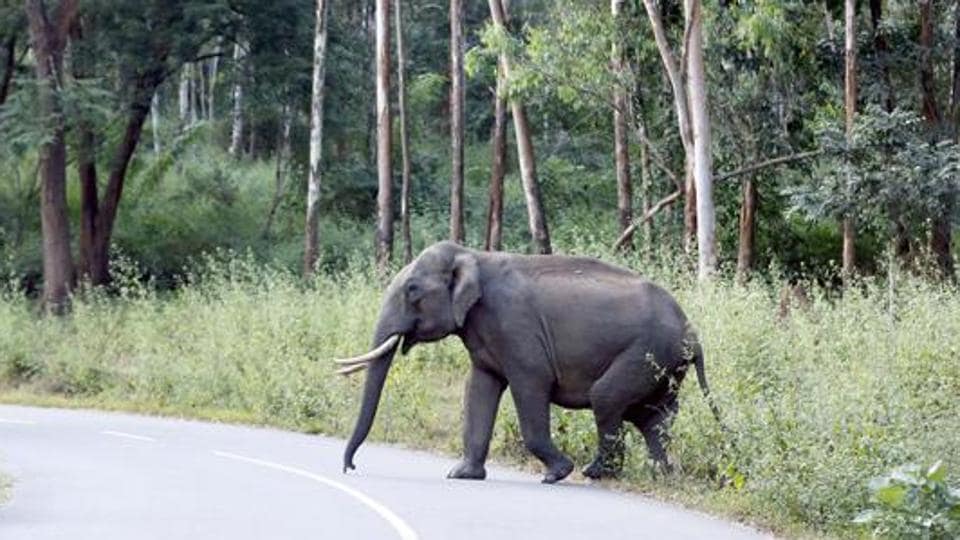
In eight years since 2009, 2,920 people were killed by tigers and elephants, a jump of over 30% since 2000. While the traditional conflict zones remain, recent years have seen a spurt in new hotspots such as Pilibhit in Uttar Pradesh, Haziribagh in Jharkhand and Palakkad in Kerala because of fragmentation of wildlife corridors and degradation of forests.
“The plan is a major conservation shift as we are calling a spade a spade,” said Vinod B Mathur, director of Dehradun-based Wildlife Institute of India (WII). It was after Mathur’s presentation that the plan was approved by environment minister Harsh Vardhan. It is for the first time that the plan incorporates climate resilience and links it to the United Nations Sustainable Development Goals (SDGS). It also underscores implementation of endangered species recovery plan of wild animals in all ecosystems --- terrestrial, inland aquatic, costal and marine.
Mathur said the plan was approved at the last standing committee of the National Board for Wildlife meeting and it was decided that the government will seek funds from the private sector under their corporate social responsibility (CSR). The law makes it mandatory for companies to spare 2% of their profit for CSR. “Implementing the action plan will be made part of the conditions in the forest and wildlife approval for projects,” a ministry official said.
The government’s funding for wildlife management has not increased substantially and in some states, the budget has shrunk despite revenue from tourism being on the rise. This concern was raised by wildlife experts in the committee but the officials did not have a solution. The plan will be launched during wildlife week in October.
Man-animal conflict
The plan recognises increase in human conflict with animals saying that rising population and spree of developmental projects has increased pressure on biotic resources in and around wildlife areas bringing animals within human range.
Damage to agriculture crops primarily because of rise in population of black buck and nilgai in several states and impact of climate change are other reasons cited for rising conflict. The plan recommends setting up of quick response teams, GPS-based surveillance tools around highly sensitive protected areas, quick disbursal of compensation to victims and improve management of wildlife corridors as some ways to reduce the conflict.
It shifts approach from protecting wildlife areas to conserving entire landscape. India has five main wildlife landscapes --- Eastern Ghat, Western Ghat, Gangetic belt, Central India and north-eastern.
Climate change
The plan identifies climate change as the biggest challenge for the wildlife zones in India covering 4.89% of India’s geographical area saying it would lead to higher forest fires, more insect and pathogen attack, increase in sea levels and impact on water bodies in forests.
The plan calls for long-term studies on impact of climate change on land and marine biodiversity and including climate change as important aspect of state wildlife and coastal management plans. It also says that all protected areas should be graded on climate change vulnerability index, climate proofing of wildlife areas should be done and a long term plant and animal regeneration programme should be initiated.
Forest rights
The plan also covers the contentious recognition of forest rights saying “public support is no longer a matter of choice but an absolute necessity” in wildlife management but recommends expansion of government controlled forest management committees in green habitats even outside reserve forests. Forest right activists have opposed such moves in past saying the ultimate people’s voice in forests should be gram sabha (body of villagers) not forest committees. The plan, however, says that people must have stake in wildlife conservation through government-run programmes.


