E-Paper



Outstation patients left in lurch as DTC drivers’ strike enters fourth day
High auto-rickshaw and cab fares have left many outstation commuters stranded between difficult public transport options and expensive alternatives

 Prefer HTon Google


The ongoing strike by contractual Delhi Transport Corporation (DTC) drivers has left outstation patients struggling to find alternative modes of transport. While the metro is a preferred mode of transport for many due to its relatively low fares, visitors from Rajasthan, Haryana and Uttar Pradesh are struggling to navigate the city’s complex metro network due to limited familiarity with the routes. High auto-rickshaw and cab fares have left many outstation commuters stranded between difficult public transport options and expensive alternatives.
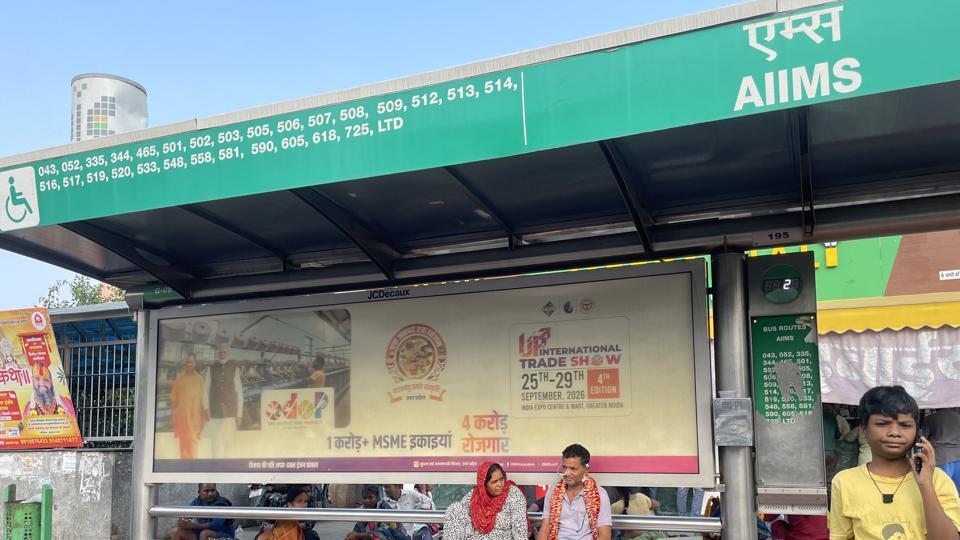
At a bus stand outside AIIMS, 42-year-old Maneka Devi, who hails from Haryana’s Mahendragarh, said she waited an hour for a bus and checked the cab fare, which was almost five to six times her overall visit cost. She preferred to wait longer.
“Till Rewari we get the DTC bus, and from there we take another state bus to reach home. We have been coming to AIIMS Delhi where my husband is undergoing treatment for throat cancer for the past two months. This is the first time we have struggled to get a bus back home,” said Devi.
Also Read:Delhi commuters left stranded as DTC buses go off roads on second day of strike
“I have asked my son to look for a cab, but the fare is around ₹2,000-2,500 which is too expensive for us. So, we are hoping that a bus comes even if we have to wait another hour,” Devi added.
Similarly, 62-year-old Ghanshyam, who came to Delhi from a village near Uttar Pradesh’s Kanpur on September 13 sat waiting at a bus stand near AIIMS gate number one for nearly three hours for a bus.
“Some people told us that buses are delayed but will come. We have spent the past three hours waiting; not a single bus has arrived,” said Ghanshyam, whose 20-year-old son requires treatment.
“I have never been inside a metro, neither my son nor I know how to use it. The auto is charging us around ₹400-450 for ISBT. Where will I get that sum from?” Ghanshyam, who works as a daily-wage labourer added.
At another bus stop near the hospital, Sheila Devi (72) sat on the bench with a phone in one hand and a small purse in the other. Devi, who hails from Bihar’s Mujjafarnagar, came straight to the hospital with all her luggage.
“I had my right eye operated on, but I gradually lost vision in the other eye. For the past few months, I have been regularly coming to the hospital for treatment. We stay at a resthouse in RK Puram at ₹600 per day as we don’t have any home here or any close relative or friends,” said Devi.
“Staying alone is a huge financial pressure. Now due to the strike, the auto fare, which would usually cost ₹100, is charging ₹180,” Devi added.
Also Read: DTC plans full-body ads on e-buses, revives shelved proposal
The strike by contractual DTC workers began on September 15 over demands including higher basic pay, dearness allowance, grade pay, medical facilities, insurance, overtime payment and other service benefits, affecting several DTC depots and routes.
Meanwhile, Delhi transport minister Pankaj Singh said a meeting with all stakeholders was held, and an assurance has been given to the drivers that their legitimate demands will be met.
“We held a series of meetings with all parties concerned. The agitating drivers are employed by the concessionaire, not the DTC. We have spoken to them to ensure that drivers’ grievances are heard and resolved. We have also assured the drivers that all their legitimate demands will be met,” said Singh.