E-Paper



Pakistan plans to appoint ad hoc judge at ICJ for Kulbhushan Jadhav case
Article 31 of the ICJ’s statute states that if the panel includes “a judge of the nationality of one of the parties, (the other) party may choose a person to sit as judge”. Dalveer Bhandari, a former Supreme Court judge, is part of the panel that ordered Pakistan on Friday to stay the execution of Jadhav.

 Prefer HTon Google


Pakistan is considering appointing an “ad hoc judge” for the International Court of Justice’s panel that is hearing the case of Kulbhushan Jadhav because of the presence of an Indian judge in the 12-member tribunal, Indian government sources said on Friday.
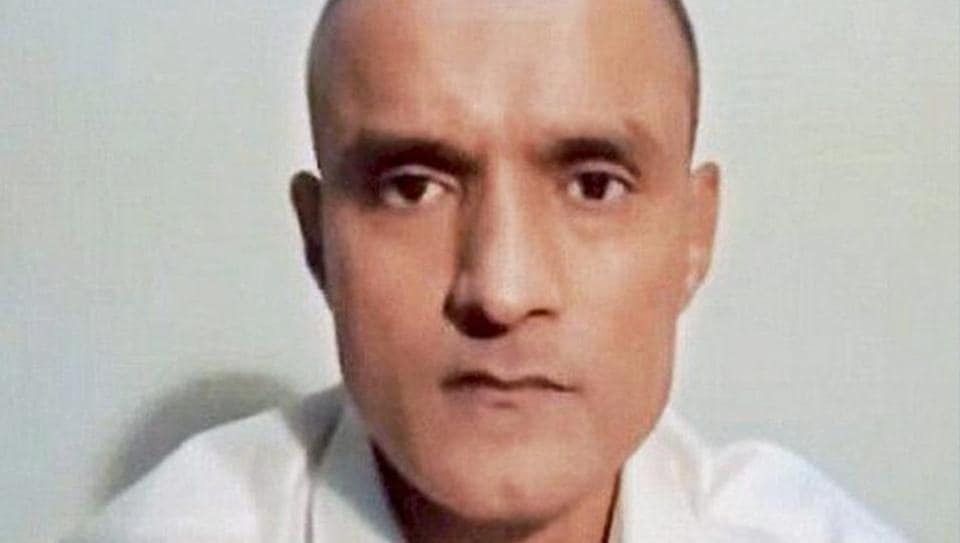
Dalveer Bhandari, a former Supreme Court judge, is part of the panel that ordered Pakistan on Friday to stay the execution of Jadhav, a 46-year-old former Indian Navy officer sentenced to death by a military court for alleged involvement in espionage and terrorism.
Article 31 of the ICJ’s statute states that if the panel includes “a judge of the nationality of one of the parties, (the other) party may choose a person to sit as judge”. An ad hoc judge can also be chosen if the panel includes “no judge of the nationality of the parties”, according to the article.
Sources in Islamabad said the Pakistan government, which has already been criticised for not exercising the option provided by Article 31, is now considering the appointment of an ad hoc judge.
An ad hoc judge would not necessarily have to be a Pakistani national and among the names doing the rounds in Islamabad are former Jordanian prime minister Awn Shawkat Al-Khasawneh, who has served as an ICJ judge, German jurist Bruno Simma, a former ICJ judge who served as Pakistan’s arbitrator the Kishenganga case, leading legal expert Ahmer Bilal Soofi or a former Supreme Court chief justice.
“Pakistan would be perfectly within their rights to appoint an ad hoc judge,” a leading Indian legal expert, who did not want to be named, told Hindustan Times.
Meanwhile, eyebrows have been raised in legal circles on both sides of the border because of Bhandari’s comments to an Indian newspaper describing the ICJ’s order as a “hugely satisfying interim pronouncement which is a great diplomatic victory for India”.
The Indian legal expert said the judge could have recused himself from the panel, which would have weakened any move by Pakistan to appoint an ad hoc judge.