E-Paper



'Only 50 guests…10 dishes': Congress MP's bill in Lok Sabha seeks to limit wedding expenses
The bill also proposes to limit gifts or auspicious offerings on the occasion at just ₹2,500.

 Prefer HTon Google


Lok Sabha MP Jasbir Singh Gill Friday introduced a Private Member's Bill aimed at preventing "wasteful expenditure" on social occasions such as weddings and festivals. The bill sought to limit the number of wedding guests or ‘baraatis’ arriving at the bride's place to only 50 persons and the number of dishes to be capped at 10.
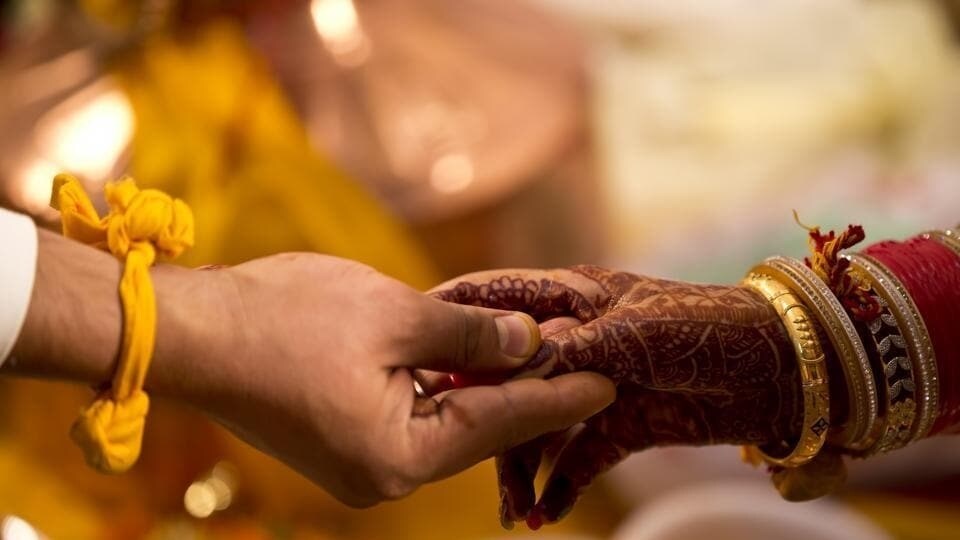
The Congress MP said the proposed bill, titled ‘Prevention of Wasteful Expenditure on Special Occasions Bill’ will make positive changes in the lives of underprivileged persons and ultimately, contribute to a reduction in female foeticide - killing of the girl child in the mother's womb.
The bill also proposes to limit gifts or auspicious offerings on the occasion at just ₹2,500.
Also Read: Spice of life: Battle of bulge at big fat Punjabi wedding
However, this is not the first time such a bill was introduced in the Parliament. Similar, bills have been proposed in the past seeking to check "show of wealth” in weddings.
'Big fat Indian weddings'
It is no surprise to anyone that Indian weddings are a huge deal. Often associated with displaying wealth and social status, at a lot of time the worth attached to its expenses and expectations can take a toll on the family, especially on the bride's side.
Also Read: January to June: Sex ratio at birth in Haryana slips to six-year low
These expectations put immense financial and emotional pressure on them. As a result, many families go to great lengths to meet these societal expectations, often sacrificing their savings, taking loans, or even selling assets to fund the expenses, eventually pushing themselves into a spiralling debt trap. The social practice also contributes to problems such as female foeticide as families consider daughters as "burdens".
The wedding woes are further compounded by the burden placed on the brides' families in the form of 'dowry.' Dowry is a payment, which often includes property or money, that the bride's family is expected to give to the groom or his family during the marriage ceremony. Despite being illegal in India, this practice continues to persist in certain regions and communities. As per the National Crime Records Bureau, a total of 10,366 cases were registered across India in 2020 under the Dowry Prohibition Act, 1961.
Private Members bill
Private members bills are introduced in the Lok Sabha every Friday. Every member of the Parliament, who is not a minister, is called a private member. Thus, the elected representatives, belonging to different political parties, have the opportunity to introduce bills on matters of public interest and legislative importance.