E-Paper



Putin aides to visit India for talks on trade, space
Dmitry Rogozin, currently director general of the state-run space agency Roscosmos, and minister for economic development Maxim Oreshkin will be in New Delhi between July 9 and 10 for the crucial talks, people familiar with developments said.

 Prefer HTon Google


Two top aides of Russian President Vladimir Putin will visit India next week for talks aimed at diversifying and expanding cooperation in areas ranging from trade to outer space and to prepare the grounds for the annual summit of the two countries.
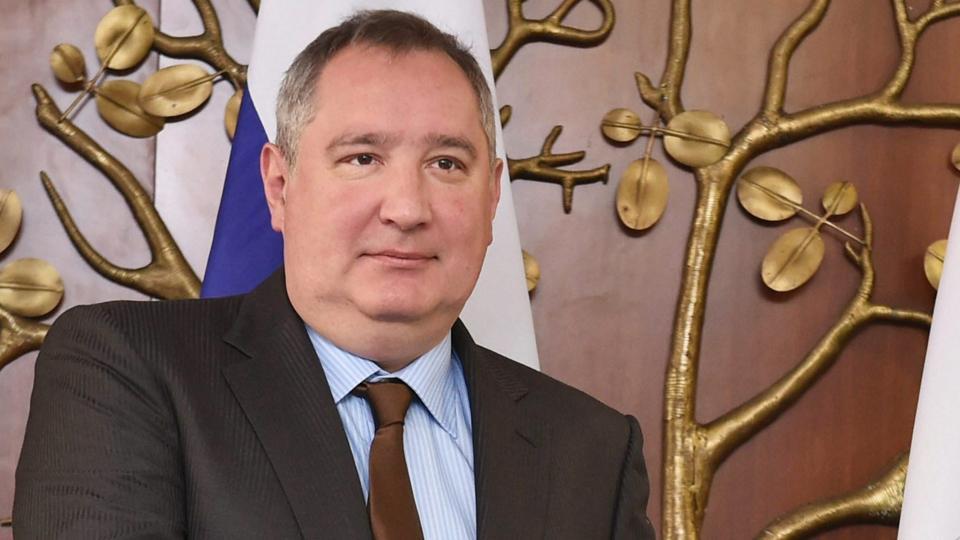
Dmitry Rogozin, currently director general of the state-run space agency Roscosmos, and minister for economic development Maxim Oreshkin will be in New Delhi between July 9 and 10 for the crucial talks, people familiar with developments said.
Their visit, coming close on the heels of a trip last month by Yury Trutnev, the deputy prime minister and presidential envoy for Russia’s Far East, is aimed at firming up the agenda and identifying new areas for cooperation ahead of Prime Minister Narendra Modi’s visit to Vladivostok to attend the Eastern Economic Forum between September 4 and 6.
Prime Minister Modi will also hold the annual bilateral summit with President Putin after the business meet.
Rogozin, who was earlier the deputy prime minister in-charge of the defence industry and has often been tasked by Putin to handle key issues, is expected to explore possibilities for cooperation in space, including training of Indian personnel for Gaganyaan, India’s planned manned space mission, launch of satellites and possible joint projects in Latin American countries, the people cited above said.
Oreshkin will explore possibilities for expanding bilateral trade, which has stagnated in the range of $10 billion for the past few years, and investments.
Trutnev too had held wide-ranging discussions on trade and investment, including possible Indian involvement in mining and other activities in the resource-rich Far East.
Officials on both side, who declined to be identified, acknowledged that defence and strategic cooperation, including the building of nuclear power plants, remained strong but there was a widespread perception that the two sides had been unable to capitalise on the potential for trade.