
 E-Paper



Salman Rushdie's 'The Satanic Verses' back in India after 36 years, Islamic clerics demand reinstatement of ban
Maulana Yasood Abbas of the All India Shia Personal Law Board (AISPLB) emphasised the importance of maintaining respect for Muslim sentiments.

 Prefer HTon Google


Days after celebrated author Salman Rushdie's controversial novel 'The Satanic Verses' made a comeback in India after a 36-year-old ban, Islamic clerics have once again called for the continued ban on the book.
Maulana Yasood Abbas, the General Secretary of the All India Shia Personal Law Board (AISPLB), has urged the Centre to uphold the ban on 'The Satanic Verses', emphasising the importance of maintaining respect for Muslim sentiments, ANI reported.
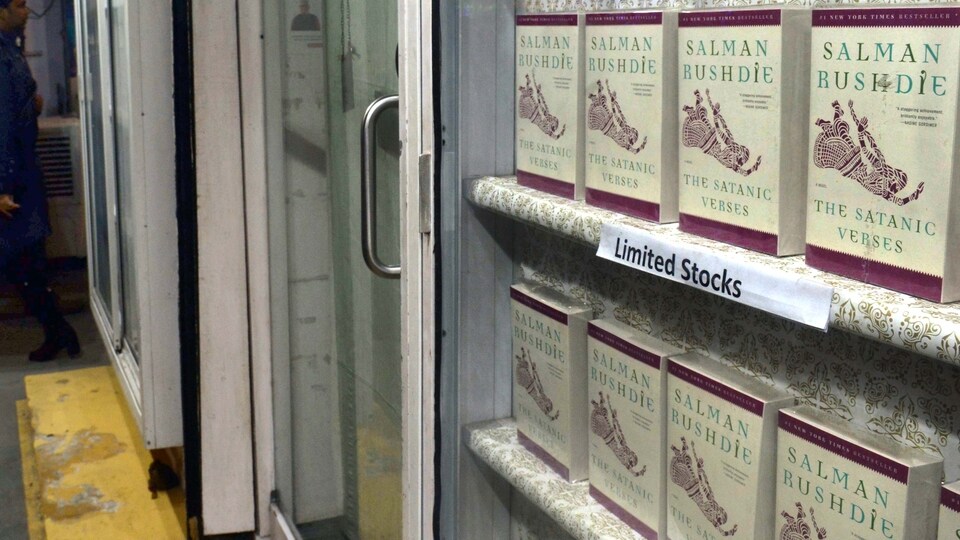
His remarks came after the reports that the book was available once again for sale at Delhi's Bahrisons Booksellers.
The Muslim cleric also argued that the government should have engaged in a dialogue with concerned Muslim groups before making any decisions about the book’s availability.
"There should have been dialogue because there is a Muslim perspective," he added.
READ | Prosecutor says the New Jersey man who stabbed author Salman Rushdie was trying to carry out a fatwa
Maulana Shahabuddin Razvi Bareilvi, the president of the All India Muslim Jamaat, echoed similar sentiments, raising alarm over the “potential harm” that the book’s availability could cause to the nation’s social and religious harmony.
"I request the government that in the manner in which the then government had imposed a ban on the eighties, this ban should continue," he said warning that allowing the book to circulate could escalate tensions and divide the country along religious lines.
The Satanic Verses, which was banned in 1988 in India under the Rajiv Gandhi government due to its content deemed blasphemous by Muslim organisations, is available once again in India at Delhi's Bahrisons Booksellers.
The Satanic Verses ban was lifted after a Delhi Court order
The book's return follows a significant legal development as in November, the Delhi High Court closed the proceedings on a petition challenging the Rajiv Gandhi government's ban on the import of 'The Satanic Verses', saying since authorities have failed to produce the relevant notification, it has to be "presumed that it does not exist".
The order came after government authorities failed to submit the notification dated October 5, 1988, which banned the import of the book.
(With ANI inputs)


