
 E-Paper



SC directs strict solid waste management rules at tourist, pilgrim sites
The bench underscored the need for tourist spots, beaches and pilgrim places, attracting even foreign tourists, to be kept spic and span to enhance the image of the country.

 Prefer HTon Google


The Supreme Court on Tuesday directed all chief secretaries to formulate a dedicated mechanism for implementing the Solid Waste Management Rules (SWM) 2026 at tourist places and pilgrim centres across the country.
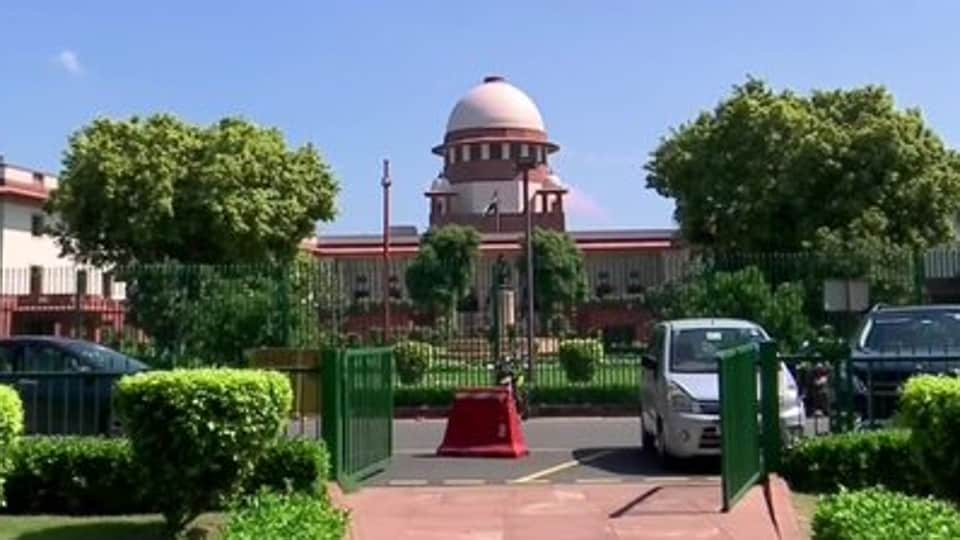
Issuing a slew of directions for uniform implementation of the rules which came into effect from April 1, 2026, a bench of justices Pankaj Mithal and SVN Bhatti underscored the need for tourist spots, beaches and pilgrim places, attracting even foreign tourists, to be kept spic and span to enhance the image of the country internationally and to ensure the planet is preserved for future generations.
The bench in its order said, “The chief secretaries are directed to identify tourist-centric beaches, tourist places, and pilgrim centres, and to put in place a special mechanism for implementing the SWM Rules, 2026, at such locations.”
The top court further directed the Union ministry of environment, forest and climate change (MoEFCC) to issue a notification under the Environment Protection Act, 1986, delegating its powers to issue directions for enforcing the rules to the district collectors across the country for a period of one year.
According to the directions, the collectors will constitute a “special cell” with all relevant officials, who will assist him in supervising, administering and implementing the SWM Rules 2026. The collectors will further virtually inspect the dumping sites and submit fortnightly reports to the secretaries of the designated ministries in the state.
Meanwhile, the state governments were directed to ensure timely grants to urban and rural bodies which perform better, while penalising those lacking in compliance.
“The state governments are directed to incentivise good performance by prioritising grants…Conversely, defaulting local bodies shall attract penal consequences for non-compliance with the Rules,” the bench said in its directive.
The court said that the Earth and the Nation are what we commonly inherit. “It should be the shared commitment to leave behind a tolerable planet for future generations. Their thanks for preserving the planet will not be heard by us, but our willingness to sacrifice, work tirelessly for them, and dedicate ourselves will leave the mark of our conscience for times to come,” the order said.
The other directions issued by the court also require the Centre to resolve issues of budgetary and manpower constraints, highlighted as major roadblocks in the status reports by states and UTs. The court directed the Union government to explore a roadmap to incorporate knowledge of and obligations under the 2026 Rules into the functioning of elected representatives as part of the representative process in local bodies.
The court asked the secretaries of MoEFCC, Department of Drinking Water and Sanitation, MoHUA; Panchayati Raj; and Rural Development to explore the inclusion of contributions under Corporate Social Responsibility (CSR) by industries for the establishment of Compressed Biogas plants or such technology for converting waste into energy.
The bench passed the order in an appeal filed by Bhopal Municipal Corporation challenging a national green tribunal (NGT) order faulting the civic agency for lacking environmental clearances under the 2016 SWM Rules that preceded the 2026 Rules.
The court will hear the matter next on May 25.


