E-Paper



Uday, cheetah brought from South Africa, dies; 2nd in a month
Uday was translocated to India from Waterberg Biosphere of South Africa on February 18.

 Prefer HTon Google


A six-year-old cheetah, named Uday, who was brought to Madhya Pradesh’s Kuno National Park along with 11 others from South Africa, died on Sunday.
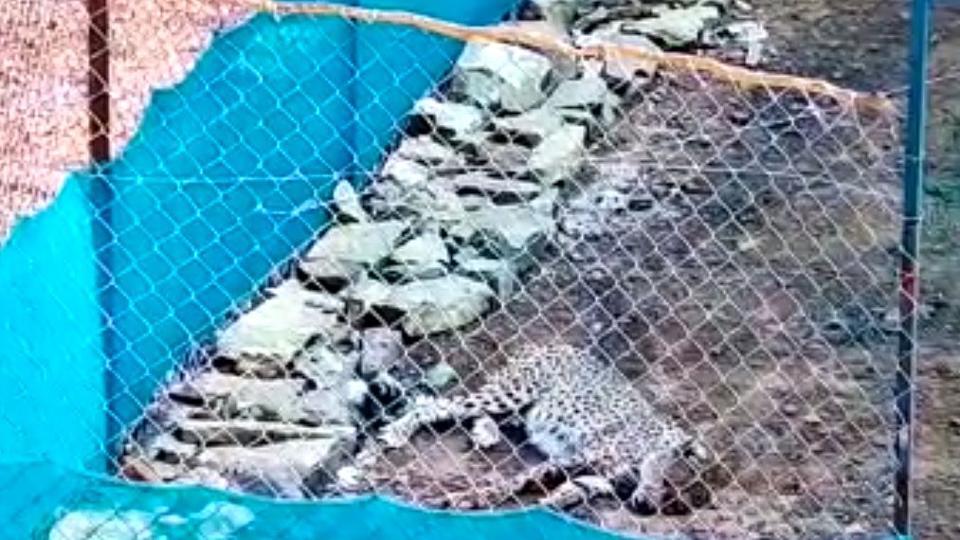
The cause of his death will be known after an autopsy, forest officials said. “During routine check at around 9am, Uday was found sitting in a lethargic state. When forest experts approached him, he got up and staggered a bit,” an official said.
According to protocol, senior doctors were informed, the official said.
Read | Madhya Pradesh seeks relocation of some of cheetahs brought from Africa
“The wildlife medical team inspected the cheetah and he appeared sick. The doctors and cheetah expert from Cheetah Conservation Fund decided to shift to a quarantine Boma (enclosure) immediately,” the MP forest chief wildlife warden JS Chauhan said.
The animal, however, lost consciousness two hours later, and was shifted to an isolation ward for further treatment.
“Uday died during treatment around 4pm. The cause of death would be clear only after autopsy,” MP chief wildlife warden JS Chauhan said.
Uday is the second cheetah to die at the Kuno National Park in a month. Last month, Sasha, brought in the first batch of cheetahs from Namibia, died of renal failure.
Read | Oban is now Pavan, Siyaya is Jwala. Cheetahs from Namibia, South Africa renamed
Uday was translocated to India from Waterberg Biosphere of South Africa on February 18. He was transferred from quarantine enclosure to a predator-free enclosure last Tuesday. Recently, the ministry of environment and forest named him Uday.
Uday was suffering from chronic stress, South African cheetah expert Vincent Van Der Merwe said after his death. Merwe is the head of metapopulation project and caught the cheetahs for translocation.
“Like the 11 others, he was a wild cheetah. He was very healthy before shifting to Boma in July 2022 for the translocation project. After 10 months in captivity, he lost fitness and suffering from chronic stress,” Merwe said, adding that the animals must be released in the wild. “The cheetahs must go back into the wild where they belong. They are unhappy in cages,” he said.
Following Uday’s death, 18 cheetahs remain at the national park apart from the four cubs born to Siyaya.
Prime Minister Modi on September 17 last year released the eight cheetahs from Namibia, in the first leg of the translocation project after a decades-long effort to restore a species that was declared extinct in 1952, owing to poaching and shrinking grasslands. Later, 12 more were brought from South Africa on February 18.