
 E-Paper



Supreme Court to probe Bihar police’s ‘rats ate cash’ claim
During the trial, the prosecution claimed rodents had infested the malkhana and destroyed the envelope containing ₹10,000 seized from the accused

 Prefer HTon Google


Dissatisfied with the “rats ate the cash” explanation, the Supreme Court has decided to go deeper into the issue, signalling a wider inquiry into how evidence is stored in police malkhanas (evidence rooms) in Bihar and whether public money is being routinely lost in the process.
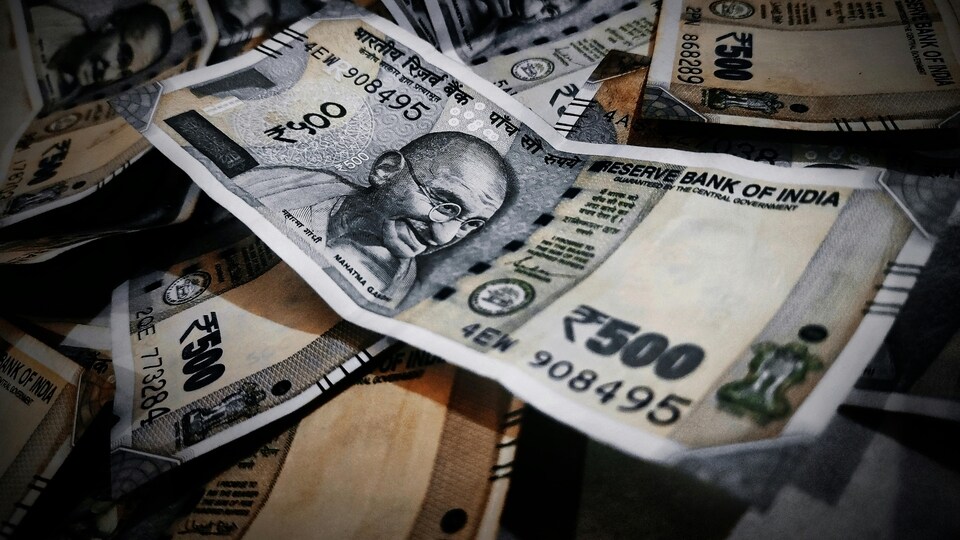
A bench of justices JB Pardiwala and KV Viswanathan said that it was “taken by surprise” at the claim that currency notes seized in a corruption case were destroyed by rodents, and indicated that the issue would be examined when the main matter is taken up for final hearing.
“We are taken by surprise that the currency notes got destroyed by rodents. We wonder how many such currency notes recovered in this type of offences get destroyed as they are not kept at a safe place. It is a huge revenue loss for the State,” said the bench in a recent order.
The bench added that it was inclined to embark on a broader inquiry into evidence management practices in Bihar — one that could have implications well beyond the facts of the present case.
“…the explanation offered for the destruction of the currency notes also does not inspire any confidence. We shall look into this issue as and when the main matter is taken up for hearing,” said the order.
The court’s remarks came while granting bail to a former child development programme officer convicted under the Prevention of Corruption Act, 1988. The bench suspended her four-year sentence and ordered her release on bail, noting that she was initially acquitted by the trial court but the high court reversed that judgment. It also took note that a crucial piece of evidence — the alleged bribe money — was no longer available.
The case arises from a 2019 trap operation conducted by the Economic Offences Unit (EOU) in Bihar, where the accused was alleged to have demanded and accepted ₹10,000 as a bribe. The cash was seized, sealed and deposited in the police malkhana as primary evidence.
However, during trial, the prosecution was unable to produce the currency notes. The explanation offered was that rodents had infested the malkhana and destroyed the envelope containing the cash.
While the Patna High Court upheld the conviction last year, relying on documentary proof such as the malkhana register and holding that non-production of seized articles would not by itself demolish the prosecution case, the Supreme Court considered the present case fit to release the woman on bail.
At the same time, the bench referenced the impugned high court judgment, which pointed out that the prosecution failed to produce the alleged bribe money since the envelope containing the seized money was destroyed by rats and rodents. “…there is no doubt that seized money was produced in malkhana register but as a result of improper condition of malkhana and lack of up-to-date preservation system, the envelop along with currency notes were destroyed by rodents,” recorded the high court order.
This, the Supreme Court bench emphasised, is “something which we should not ignore”. The court decided to probe the matter further, shifting the spotlight from an individual prosecution to a systemic concern as to whether evidence rooms, particularly in states like Bihar, are equipped to safely preserve seized material, and whether lapses in storage could be undermining criminal trials while also causing loss to the public exchequer.



