
 E-Paper



SC endorses RBI decision not to insist on identity for ₹2,000 note deposit
The Supreme Court told the petitioner that he has argued that RBI should take steps to reduce black money. “But tracking black money is a matter that falls within executive governance”

 Prefer HTon Google


NEW DELHI: The Supreme Court on Monday endorsed the decision of the Delhi high court to not interfere with the Reserve Bank of India (RBI) May 19 decision to permit the exchange of ₹2,000 denomination currency notes without insisting on any identity proof.
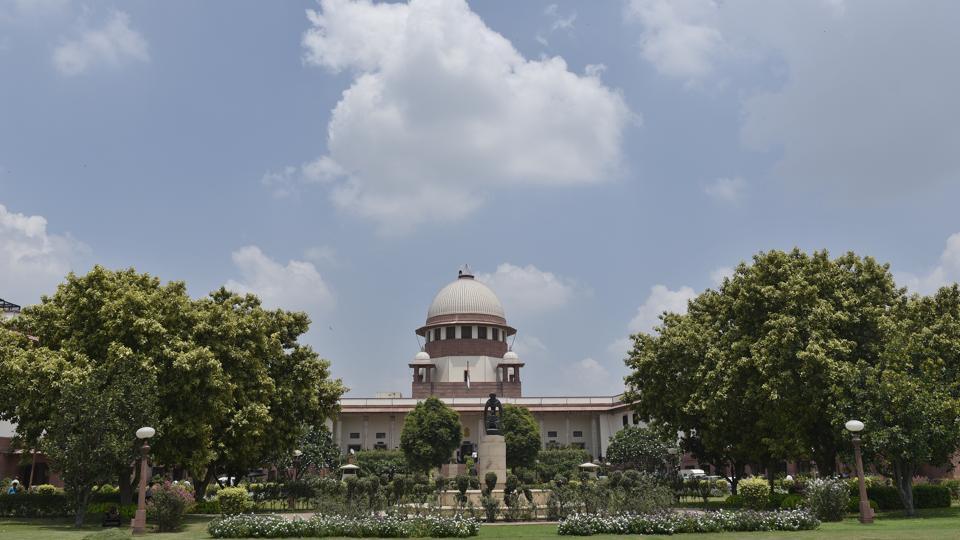
Dismissing an appeal filed against the May 29 high court order by the petitioner, Bharatiya Janata Party (BJP) leader and advocate Ashwini Kumar Upadhyay, a bench headed by Chief Justice of India (CJI) Dhananjaya Y Chandrachud said the current exercise is not demonetisation but a policy decision where RBI is allowing persons to tender high-value currency and get the equivalent currency notes.
The court compared the situation to a marketplace where a vegetable vendor who accepts a ₹2,000 currency note or even ₹500 will not insist on identity. “The purpose of demonetisation has been served. Both RBI and Centre maintain faith in the currency. They can always learn from the past to allow such exchange. This is why courts do not interfere with these decisions,” the bench observed.
Upadhyay questioned the decision, saying it was arbitrary and an attempt to convert illegal black money. The bench, also comprising justice PS Narasimha, disagreed. “This way you will accept that a large amount of unaccounted money comes through land transactions. So do you ban land transactions?”
The court also countered the petitioner’s argument that banks could insist on mobile number or Aadhaar number of the people who seek to exchange currency notes.
The bench responded: “You cannot equate desirability with legality. You have argued that RBI should conduct an exercise to reduce black money by insisting on identity of depositors. But tracking black money is a matter that falls within executive governance.”
Upadhyay requested the court to allow him to withdraw his appeal but the bench said that in the light of the high court order, there was a need for some finality on this issue and dismissed his petition.
The top court last month refused to grant an urgent hearing on Upadhyay’s petition that sought to allow a directive that people should only be allowed to deposit the high-value currency notes into their bank account and not exchange them.
RBI has said in a recent statement that banks have received ₹2000 currency notes worth ₹2.72 lakh crore till last week. The total value of these notes in circulation on May 19 was ₹3.62 lakh crore.


