
 E-Paper



Sitharaman’s push to end tax-free perks for Election Commissioners, UPSC members
The Chief Election Commissioner and the two Election Commissioners have been exempt from paying tax on the value of rent-free residence, conveyance facilities, sumptuary allowance and medical facilities.


Chief Election Commissioner, his two colleagues and the key public service recruitment body Union Public Service Commission leadership will have to start paying more taxes from April next year.
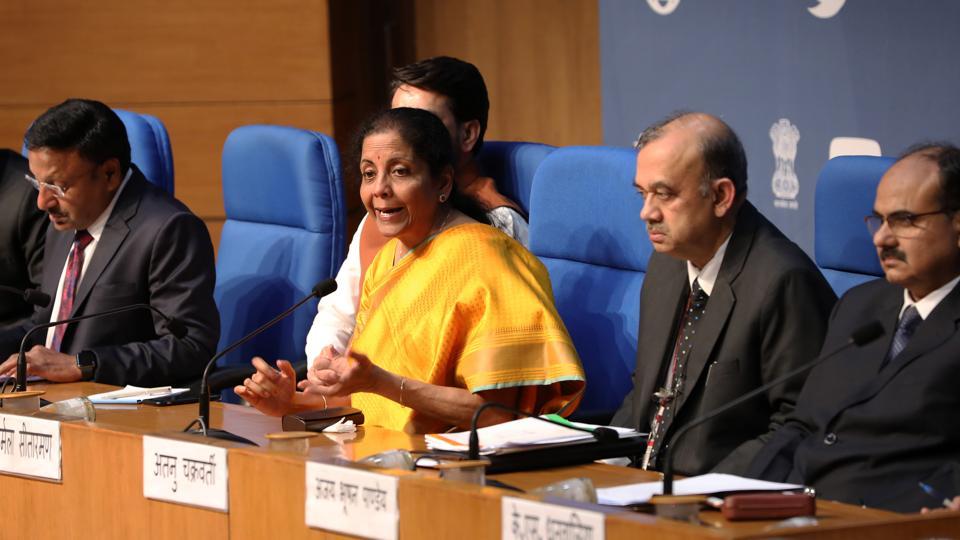
In her budget proposals that introduced a new tax regime for individuals to reduce tax exemptions for lakhs of taxpayers, Nirmala Sitharaman also incorporated a proposal to amend the law that had exempted the top-ranking functionaries from paying tax on four allowances.
The Chief Election Commissioner and the two Election Commissioners have been exempt from paying tax on the value of rent-free residence, conveyance facilities, sumptuary allowance and medical facilities.
This exemption was accorded to them under the Election Commission (Conditions of Service of Election Commissioners and Transaction of Business) Act, 1991.
In 2011, the government - following an amendment in the Finance Act - had exempted the UPSC chairman and its 10 members from paying tax on a similar set of allowances with retrospective effect from April 2008, according to the memorandum tabled in Parliament by Sitharaman.
Serving UPSC members and its chief, according to this document, did not have to pay tax on the value of rent-free official residence, conveyance facilities including transport allowance, sumptuary allowance and the value of leave travel concession provided to the top UPSC functionaries and members of their family.
Former UPSC chairpersons and members were entitled to tax exemption on a maximum of Rs 14,000 monthly to pay for an orderly and secretarial assistance apart from a free phone at home with 1500 free calls per month.
The Finance Bill tabled in Parliament by Nirmala Sitharaman proposes to scrap the tax exemption for these allowances once Parliament passes the money bill.
The Finance Bill, however, made it clear that the amendments will only take effect after one year.
“These amendments will take effect from 1st April, 2021 and will, accordingly, apply in relation to the assessment year 2021-22 and subsequent assessment years,” the memorandum to the Finance Bill said.


