E-Paper



Tobacco ads, shops common near schools, colleges: Survey
As high as 225 (about 40%) of the 487 points of sale surveyed around 243 schools by Voluntary Health Association of India (VHAI) and Consumer Voice as part of the study — ‘Tiny Targets’ — were found flouting the 100-yard guidelines


Despite prohibition on sale of tobacco and related products near educational institutions, its sale and advertisement is still common, found a survey done by activist groups across Delhi, Gujarat, MP, Assam, Tamil Nadu and Telangana.
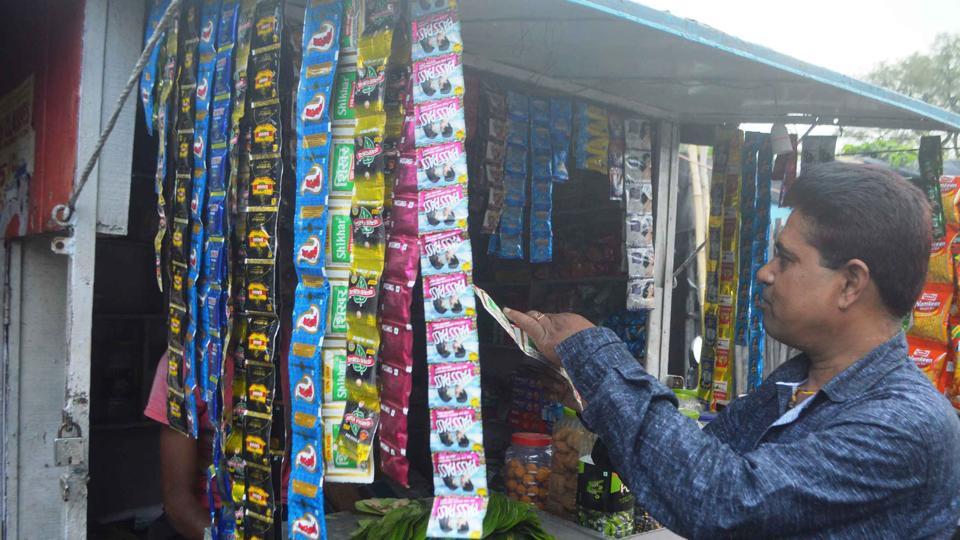
As high as 225 (about 40%) of the 487 points of sale surveyed around 243 schools by Voluntary Health Association of India (VHAI) and Consumer Voice as part of the study — ‘Tiny Targets’ — were found flouting the 100-yard guidelines. Under section 6(b) of Cigarettes and Other Tobacco Products Act (COTPA), the sale of tobacco is prohibited within a radius of 100 yards of any educational institutions.
Street vendors were the most common form of sellers at 56.6% of the 225 tobacco points. Also, 91% of displays were at as low as one metre — a child’s eye level; 90% of displays were beside candy, sweets and other items for children; and 54% of the points of sale had no visible health warning. Around 32.5% sellers offered free tobacco products to children, and 37.5% offered discounts on these tobacco items.
“The industry is trying to catch their clients young as they need people who would be regular users later on in life. Early teens are impressionable minds and their brains get addicted to tobacco use very early, so what better way than to make tobacco products accessible closer to school and also advertise to build curiosity,” said Bhavna Mukhopadhyay, chief executive, VHAI.
“The tobacco industry must be held accountable. There is enough proof in the survey data. We will approach the authorities concerned to take action.”