E-Paper



US needs to work with partners like India on regulation of AI: US expert
The US and partners such as India will have to balance regulation with innovation, especially for impactful uses of AI, Ylli Bajraktari said

 Prefer HTon Google


New Delhi: India has the building blocks to succeed in the use of artificial intelligence (AI), such as talent and robust academic institutions, though it needs to do better in hardware and work with partners such as the US on regulatory frameworks, a senior expert from a US nonprofit focused on technology said on Monday.

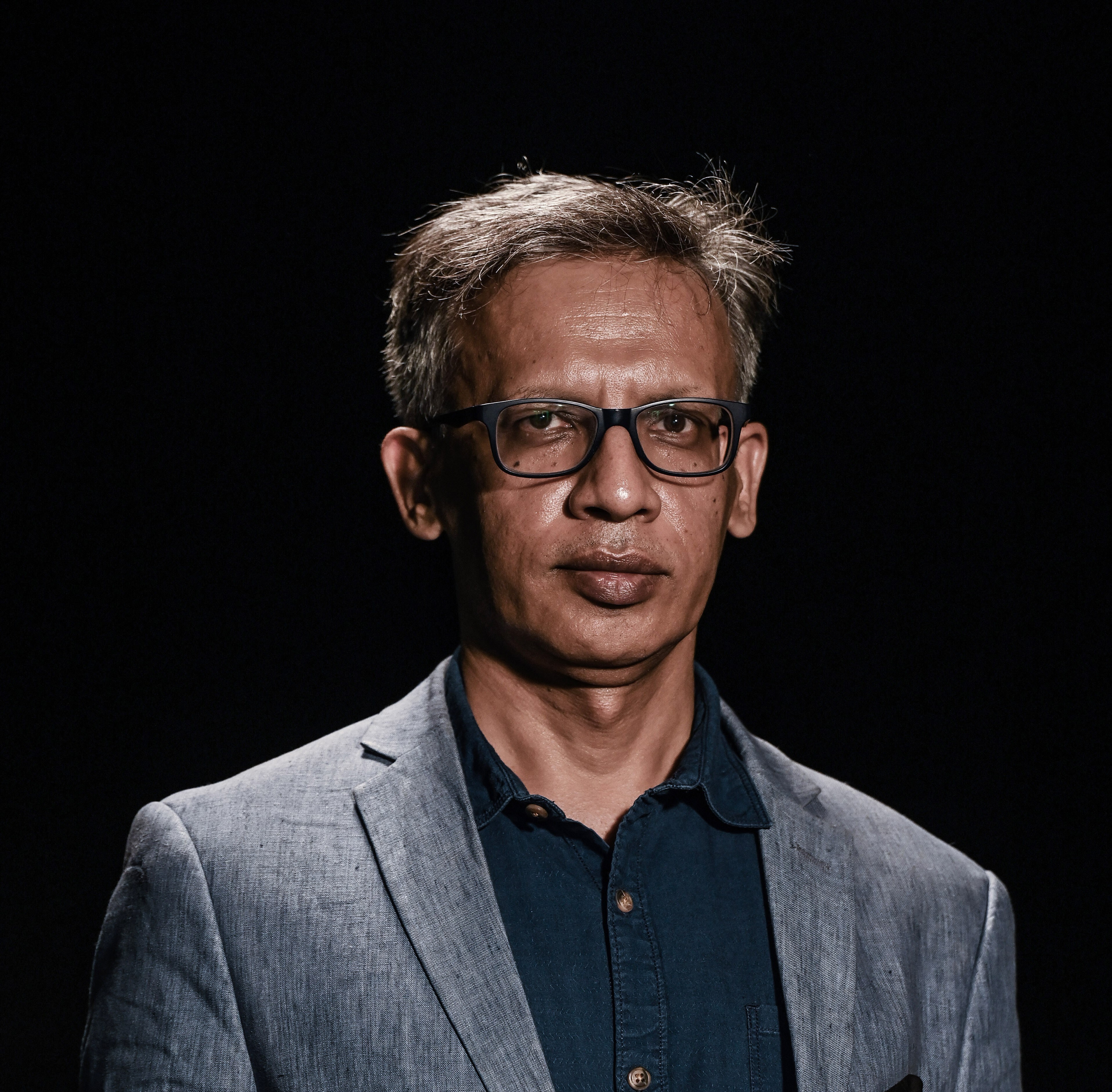
Ylli Bajraktari, CEO of the Special Competitive Studies Project and a former executive director of the US National Security Commission on Artificial Intelligence, emphasised the need for the US and its partners “not to get 5Ged” by China’s actions in the realm of AI.
Bajraktari’s remarks during an interaction with a small group of Indian reporters were a reference to actions taken by countries across the world to either remove or shut out Chinese technology or firms from their 5G networks because of security concerns.
“India has all the ingredients to succeed in the utilisation of AI, including talent, great universities and start-ups and the realisation that it has to move fast in this space, though it can do better in hardware, an area where it needs to pick up the pace,” said Bajraktari, who was in New Delhi to participate in the India-US Forum.
The US and partners such as India will have to balance regulation with innovation, especially for impactful uses of AI, he said.
Also Read: Ready to consider India’s concerns over key business issues: USTR Tai
Addressing concerns that AI could lead to a situation where technology could replace workers and lead to job losses, Bajraktari said: “The next three to five years are crucial to retrain and reskill workers and to identify areas where people could lose jobs due to AI.”
In this context, he said, personalised education and access to internet and technology will be crucial. “There is a need for greater investment in tools and computing powers, especially for academics and small and medium enterprises since AI is largely in the hands of a few private enterprises,” he added.
Recent advances in AI and other emerging technologies that have a crucial impact on economic and military competitiveness have coincided with intensifying geopolitical competition between the US and China. At the same time, India and US have launched iCET or the Initiative on Critical and Emerging Technologies, a groundbreaking effort to develop new technologies and hardware spanning areas such as defence, security, supply chains and semiconductors.
Bajraktari referred to these efforts and said the US needs to have a dialogue with China on AI that is “clear eyed and with clear objectives”, while at the same time consulting partners such as India to develop a “democratic set of technologies”.
He noted that China is using a set of technologies, including AI, quantum computing, biotechnology, solar power and electric vehicles, which combine software and cameras, as a new way to achieve a warfighting advantage.
Besides iCET, India also has a Trade and Technology Council with the European Union that is focused on areas such as quantum and high-performance computing research and development, trustworthy AI, strategic semiconductors, bridging the digital skills gap and promoting exchanges on digital talent.