
 E-Paper



Walkouts, limited debates, but bills cleared amid disruptions in Parliament
Parliament passed several bills, but with little discussion and no participation from the principal Opposition parties.

 Prefer HTon Google


New Delhi: Both Houses of Parliament were able to clear some pending business, particularly legislation, in the second week of the monsoon session amid protests and disruptions by the Indian National Developmental Inclusive Alliance (INDIA) and the admittance of a no-confidence motion against the Narendra Modi government by the Opposition grouping.
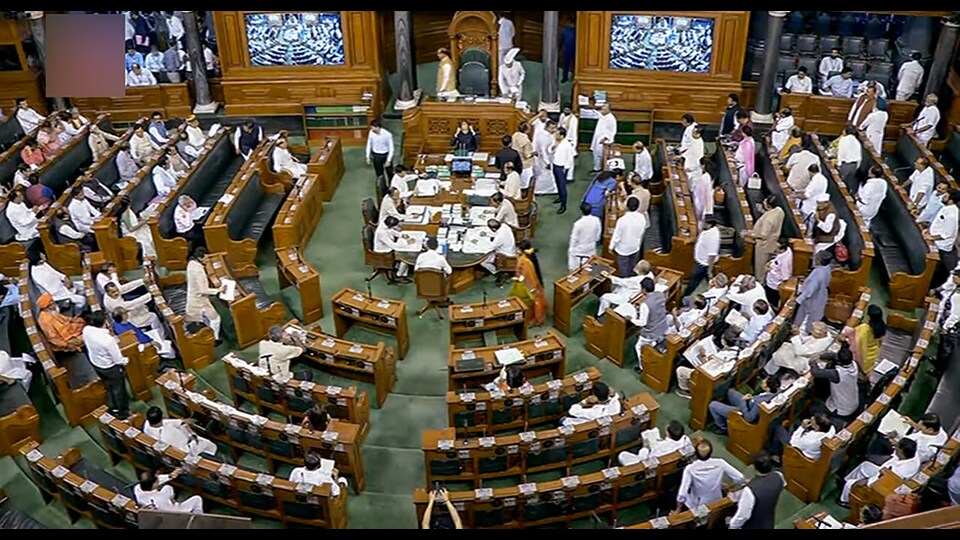
Between Monday and Friday (July 24 and 28), the government introduced 11 bills in the Lok Sabha and passed five. In the Upper House, where the tussle between the government and the Opposition is more intense, the government managed to pass three bills. However, most of these bills were cleared with little discussion, and with no participation from the principal Opposition parties.
Also read: Parliament panel suggests steps to monitor cyber frauds
For instance, the Multi-State Co-operative Societies (Amendment) Bill, 2022 -- which aims to impose elections and restrict the role of family members in cooperative societies -- was cleared by the Lok Sabha on July 25 in 49 minutes. In the discussions on this piece of legislation, only four speakers -- two members from the Bharatiya Janata Party (BJP) and one each from YSR Congress Party (YSRCP) and Bahujan Samaj Party, spoke before Union home minister Amit Shah, who is also the cooperation minister, gave his reply.
Meanwhile, the Forest (Conservation) Amendment Bill 2023 -- which was earlier opposed by many INDIA constituents -- was cleared by the Lok Sabha on July 26 after two BJP members and one each from YSRCP and the Shiv Sena participated in the debate.
In terms of time, the Biological Diversity (Amendment) Bill, 2021 was cleared by the Lower House on July 25 in just 34 minutes, according to data available with PRS Legislative Research. In the same House, the Repealing and Amending Bill, 2002 was approved in just nine minutes on July 27.
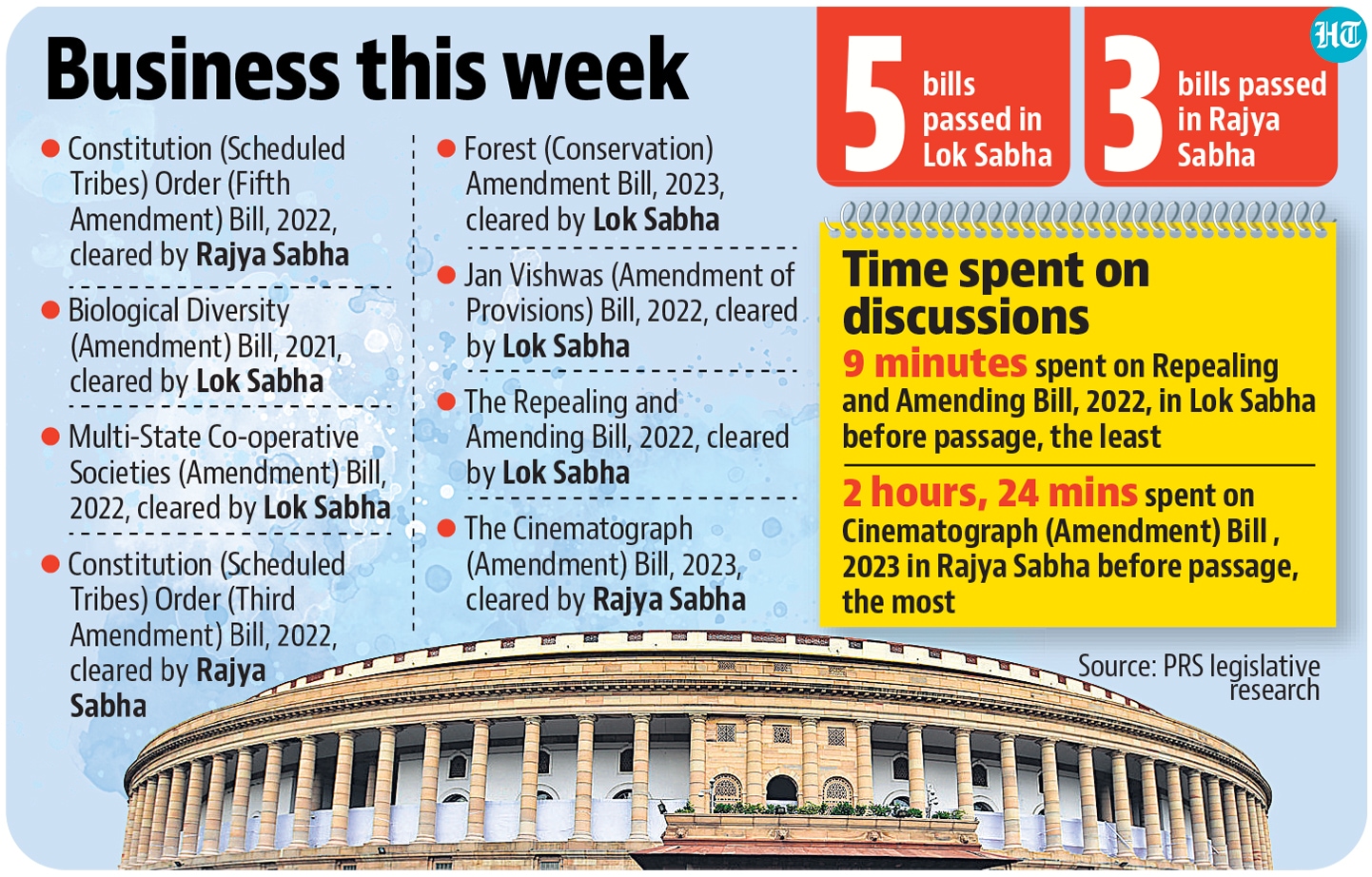
On Thursday, the Lower House also cleared The Jan Vishwas (amendment of provisions) bill -- it amends 42 laws, across multiple sectors to decriminalise several provisions by converting fines to penalties and removing imprisonment as punishment for many offences -- in 42 minutes.
The Cinematograph (Amendment) Bill, 2023, passed on July 27 in the Rajya Sabha, was the only one that saw a substantive discussion in terms of time spent. The two-hour-and-27 minute-long debate featured 11 BJP members, two YSRCP lawmakers, and one each from the All India Anna Dravida Munnetra Kazhagam, Tamil Manila Congress, Telugu Desam Party and BJP, and one independent MP. None of the INDIA constituents participated in the debate.
While the Opposition, or INDIA , has been able to stall a large part of the proceedings through protests, forcing repeated adjournments in both Houses, this strategy has also meant that its members have been denied a chance to put forward their objections or suggestions on key legislation.
“We are aware that in all this, bills are getting passed. But we have to prioritise. Is the Multi-State Cooperatives (Amendment) Bill important? Of course, it’s important. Is the Forest (Conservation) Amendment Bill important? Of course, it is. But we have taken a call- to make the Delhi ordinance priority number 1,” said Trinamool Congress’s Rajya Sabha floor leader Derek O’Brien.
Also read: Jaishankar's 21-minute statement after Parliament disruption: ‘Partisan politics…’
His reference was to the Government of National Capital Territory of Delhi (Amendment) Bill, meant to replace the ordinance for the creation of an authority for transfers and postings of senior bureaucrats in Delhi, which is expected to be tabled next week. The no-confidence motion moved by Congress MP Gaurav Gogoi is also expected to be taken up next week.
Meanwhile, Question Hour has been hit hard by disruptions. In the monsoon session, only 42 questions have been answered by ministers in the two Houses. The Lok Sabha has functioned for just 48 minutes during Question Hour and the Rajya Sabha for 90 minutes.


