
 E-Paper



Young adults also vulnerable to Covid-19: US data
The study findings issued by the US Centers of Disease Control and Prevention are similar to the Covid-19 death rate in China, where the fatalities rate was 10 times higher in very old people compared to young people.


The risk of severe disease and death from coronavirus disease (Covid-19) is low, but young adults are not immune to serious illness that needs hospitalisation, according to the first analysis of patient data of close to 2,500 recorded cases in the United States.
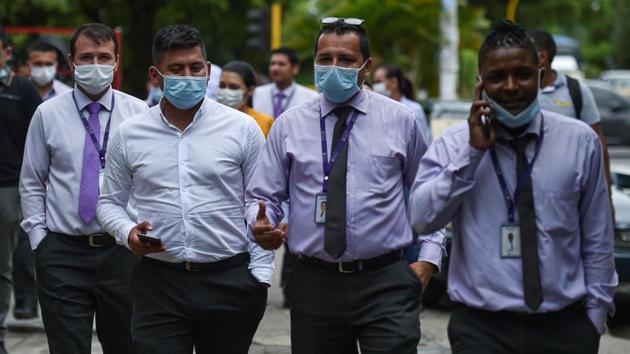
The study findings issued by the US Centers of Disease Control and Prevention are similar to the Covid-19 death rate in China, where the fatalities rate was 10 times higher in very old people compared to young people.
The US on Thursday announced that the number of positive cases in the country crossed 10,000.
The data are relevant for India, where young adults account for the majority of recorded Covid-19 infections. All the four Covid-19 deaths in India have been of people over 60 years.
In Delhi, for example, only one in 11 Covid-1 cases was over 65 years old, and accounted for the state’s one death. The ages of the other three are not known.
“This is not surprising. The risk of young people getting infected is higher for young India compared to the US and other countries because many young people have hypertension, diabetes and other co-morbidities, which puts them at higher risk of complications,” said Dr N K Ganguly, former director general, Indian Council of Medical Research.
“We know young people get infected and many have mild disease or no symptoms. We should begin by testing all cases of severe acute respiratory syndrome across all hospitals to get a better picture. It doesn’t need a new surveillance mechanism and can be started at once. Next, we should test everyone with fever, cough and respiratory distress to make informed public health decisions,” said Gagandeep Kang, director of the Translational Health Science and Technology Institute and a Fellow of the Royal Society.
“A lot more data is needed in India on testing to make predictions and preparedness. The government may be doing a lot, but we don’t know about it. It would be reassuring to know,” she said
The US study found that the percentage people hospitalised increased with age, being under 3% among persons under 9 years, to more than 31% among adults aged 85 years and above, according the CDC’s Morbidity and Mortality Weekly Report. No one under 19 years has died of Covid-19, but young people accounted for around 20% people hospitalised and 12% of ICUs admissions, the report stated.
“If young people are being hospitalised, there will be many more with no symptoms who will infect older people around them. Infection risk is very high in a country like India, where isolation and home quarantine is not happening,” said Ganguly.
Meanwhile, a paper from China, which surveyed 2143 paediatric patients, with a median age of 7 years, has shown that only a handful of the children and teenagers (0-19 years) affected were hospitalised with fever, cough or other mild respiratory symptoms and accounted for 0.1% of the total deaths.
Young adults (20-39 years) accounted for 2.5% of the total deaths, with no death in the 0-10 age group, and one death in 10-19 age group.
“Covid-19 can result in severe disease, including hospitalization, admission to an intensive care unit, and death, especially among older adults. Everyone can take actions, such as social distancing, to help slow the spread of Covid-19 and protect older adults from severe illness,” said the US CDC report.


